The Soul of the Journey: How Slow Travel and Immersive Cultural Experiences Are Crafting a New Era of Mindful Exploration

The world has always been a vast, breathing tapestry of stories, traditions, and landscapes waiting to be discovered. Yet, in an age where speed is often mistaken for progress, we’ve forgotten the art of truly being in a place—of letting its rhythms seep into our bones, of learning its language not just through words, but through the silent conversations of its streets, its food, its people. Slow travel isn’t just a movement; it’s a rebellion against the fleeting, the superficial, the checkbox mentality that reduces destinations to mere backdrops for selfies. It’s an invitation to step off the conveyor belt of tourism and into the living heartbeat of a culture.
The Alchemy of Presence
Imagine waking up in a sun-drenched village in Portugal, where the scent of freshly baked bread mingles with the salt of the Atlantic. You don’t rush to the next attraction. Instead, you linger at a café where the barista knows your name, where the elderly man at the next table shares stories of the town’s history over a cup of strong, black coffee. This is the essence of slow travel—allowing yourself to be enveloped by the present moment, to let curiosity, rather than a rigid itinerary, guide your steps. It’s in these unscripted moments that the soul of a place reveals itself.
Slow travel is about depth over breadth. It’s choosing to spend a week in a single region of Italy, learning the art of handmade pasta from a nonna in Puglia, rather than racing through Rome, Florence, and Venice in a blur. It’s trading the rush of ticking off landmarks for the quiet joy of watching a sunset from the same spot where locals have gathered for generations. This is where immersive cultural experiences flourish—not in the grand gestures, but in the small, intimate connections that stitch you into the fabric of a community.
The Power of Hyper-Local Encounters
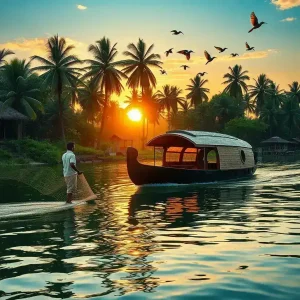
There’s a magic in hyper-local travel that mass tourism can never replicate. It’s the kind of magic that happens when you’re invited into a home in Marrakech for a meal prepared with spices sourced from the family’s garden, or when you join a group of fishermen in Kerala at dawn, learning the ancient art of casting nets as the mist rises off the backwaters. These experiences aren’t curated for tourists; they’re the lived realities of the people who call these places home. And when you engage with them on their terms, something extraordinary happens—you stop being a visitor and start becoming a temporary thread in the tapestry of their daily lives.
Community-led tourism takes this a step further. It’s a model that places the power back into the hands of locals, ensuring that the benefits of tourism flow directly into the communities that welcome travelers. In the highlands of Guatemala, cooperatives of indigenous women weave textiles using techniques passed down through generations, offering travelers not just a souvenir, but a story—a tangible piece of their heritage. In the villages of Rajasthan, homestays allow visitors to live alongside families, sharing meals, stories, and the simple joys of rural life. These aren’t just transactions; they’re exchanges of trust, respect, and mutual enrichment.
The Transformative Power of Culinary Heritage
Food is the universal language of culture, and culinary heritage tours are one of the most visceral ways to experience a destination. There’s something profoundly human about breaking bread with strangers, about tasting the flavors that have been perfected over centuries. In Oaxaca, Mexico, a cooking class might begin with a visit to a local market, where the air is thick with the scent of chilies, herbs, and fresh tortillas. You’ll learn not just how to make mole, but why it’s more than a dish—it’s a symbol of resistance, of cultural pride, of the blending of indigenous and Spanish traditions.
Or consider the street food stalls of Bangkok, where a single bite of pad thai can transport you through layers of history—from the Chinese immigrants who brought noodles to Thailand, to the royal chefs who refined the dish, to the vendors who now keep the tradition alive. These experiences do more than fill your stomach; they fill your soul with the stories of the people who have shaped these flavors. They remind us that food is never just sustenance—it’s memory, identity, and connection.
The Call of the Wild: Where Adventure Meets Conservation
For those who seek the thrill of the unknown, adventure-based learning offers a way to engage with the natural world that is both exhilarating and deeply meaningful. Imagine trekking through the cloud forests of Costa Rica, where every step reveals a new wonder—a resplendent quetzal taking flight, a troop of howler monkeys calling through the mist, or a hidden waterfall cascading into a emerald pool. But this isn’t just about the adrenaline rush; it’s about understanding the delicate balance of these ecosystems and the role we play in their preservation.
Wildlife conservation tourism takes this a step further, offering travelers the chance to contribute to the protection of endangered species. In Rwanda, gorilla trekking isn’t just an adventure—it’s a lifeline for the critically endangered mountain gorillas. The fees from permits fund anti-poaching efforts, community projects, and conservation research. When you come face-to-face with a silverback in the misty forests of Volcanoes National Park, the experience transcends tourism. It becomes a pledge—a promise to be a steward of the wild, long after you’ve returned home.
The Art of Regenerative Travel
Travel has the power to heal—not just the traveler, but the places we visit. Regenerative travel is a philosophy that seeks to leave destinations better than we found them, to ensure that our presence contributes to the well-being of the environment and the communities we encounter. It’s about choosing accommodations that prioritize sustainability, supporting businesses that give back, and engaging in activities that restore rather than deplete.
In Bali, eco-friendly glamping sites nestled in the jungle offer a way to immerse yourself in nature without leaving a trace. These sanctuaries are designed to harmonize with the environment, using renewable energy, rainwater harvesting, and permaculture gardens to create a closed-loop system. Meanwhile, digital nomad retreats in Ubud provide a space for remote workers to live and create in a way that supports local artisans, farmers, and healers. These aren’t just places to stay; they’re models for a new way of traveling—one that nourishes the earth as much as it nourishes the soul.
The world is not a checklist to be conquered, but a living, breathing entity to be cherished. Slow travel, immersive cultural experiences, and regenerative practices aren’t just trends—they’re a return to what travel was always meant to be: a journey of connection, discovery, and transformation. When we slow down, when we engage deeply, when we travel with intention, we don’t just see the world—we become part of it. And in doing so, we find that the greatest adventure isn’t in the places we go, but in the people we meet, the stories we collect, and the ways in which we are changed along the way.