The Sacred Silence of Summit and Sea: Where Peak Bagging Meets the Whispering Depths of Marine Sanctuaries
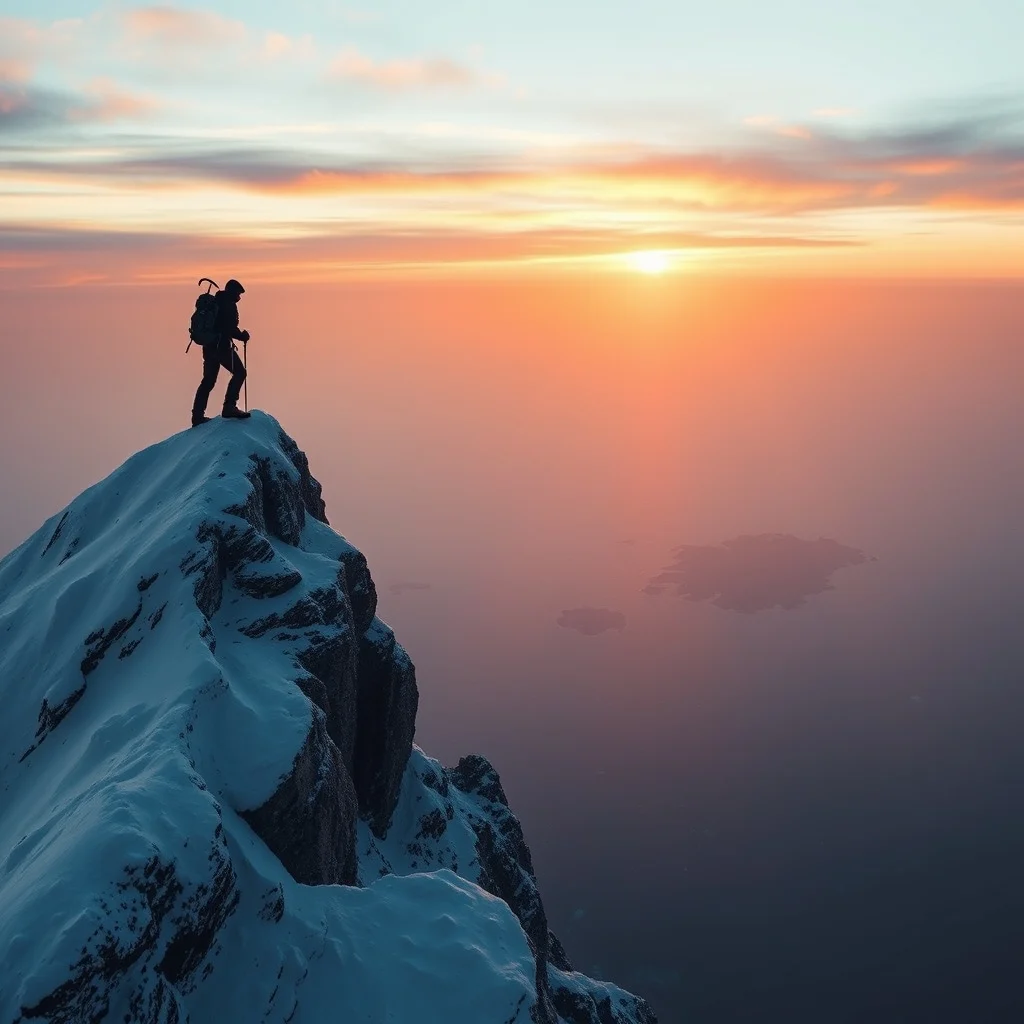
The first light of dawn crept over the jagged horizon like a thief, stealing the darkness from the sky and painting the world in hues of gold and rose. I stood there, breath shallow, heart pounding not from exertion but from the sheer, overwhelming beauty of it—another summit conquered, another peak bagged. The air was thin, crisp, and carried the faintest whisper of ice melting somewhere far below. But as I turned my gaze from the towering peaks to the vast expanse of ocean shimmering in the distance, I felt it: the silent, sacred conversation between the heights and the depths, a dialogue as old as the Earth itself.
The Call of the Peaks: A Love Affair with Altitude
There’s something almost spiritual about standing on a summit, the world stretched out beneath you like a living map. The act of peak bagging isn’t just about ticking off names on a list; it’s a pilgrimage, a test of endurance, and a dance with the raw, untamed forces of nature. Each step upward is a negotiation with gravity, a battle against the elements, and a surrender to the sheer, unrelenting will of the mountain. The wind howls, the snow stings your face, and the cold seeps into your bones, but none of it matters. Because when you finally reach the top, when you stand on that precipice and look out over a sea of clouds or jagged ridges, you understand what it means to feel truly alive.
Mountaineering gear becomes an extension of your body—a harness that holds you secure, crampons that bite into ice like teeth, ropes that tether you to life itself. The gear isn’t just functional; it’s sacred. It’s the difference between standing on the summit and becoming part of the mountain’s story. And when you descend, when the adrenaline fades and the ache in your muscles becomes a badge of honor, you carry something intangible back with you: the memory of the sky’s embrace, the silence of the peaks, and the unshakable knowledge that you’ve touched the edge of the world.
The Whispering Depths: Where the Ocean Holds Its Breath
But the mountains are only half the story. For every peak that pierces the sky, there’s an ocean depth that plunges into the abyss, holding secrets just as profound. Marine sanctuaries are the underwater cathedrals of our planet, places where coral reefs bloom like gardens of stone and fish dart through the water like living jewels. Snorkeling or diving in these sanctuaries isn’t just an adventure; it’s a communion with a world that operates on a different rhythm, a slower, more deliberate pulse that hums beneath the surface.
I remember the first time I slipped beneath the waves in a marine sanctuary. The world above vanished, replaced by a silence so complete it felt like entering another dimension. The water was a living thing, shifting and swaying around me, and the coral reefs stretched out like the ruins of an ancient civilization. Fish of every color and size moved in schools, their scales catching the sunlight filtering down from above. It was a ballet, a dance of life and color, and I was just a silent observer, humbled by the sheer beauty of it all.
But these sanctuaries are more than just beautiful; they’re vital. They’re the nurseries of the ocean, the places where life begins and thrives. And they’re fragile. A single careless fin kick can destroy a coral that took decades to grow. A discarded piece of plastic can choke a sea turtle. The ocean gives so much, but it asks for our respect in return. Sustainable tourism isn’t just a buzzword here; it’s a lifeline, a way to ensure that these underwater wonders remain for generations to come.
The Thread That Binds: Adventure with a Conscience
What connects peak bagging and marine sanctuaries isn’t just the thrill of adventure; it’s the realization that these places are sacred. They’re the last wild spaces on Earth, the places where nature still reigns supreme, untouched and unspoiled. But they’re also vulnerable. Climate change is melting glaciers and bleaching coral reefs. Over-tourism is eroding trails and disturbing wildlife. The very things that draw us to these places—their beauty, their solitude, their raw power—are at risk of disappearing if we don’t tread carefully.
This is where sustainable adventure travel comes in. It’s about more than just minimizing your footprint; it’s about leaving these places better than you found them. It’s about choosing eco-friendly gear, supporting local communities, and advocating for the protection of these wild spaces. It’s about recognizing that every summit reached and every reef explored comes with a responsibility—to preserve, to protect, and to pass on the wonder of these places to those who come after us.
The Unseen Connection: Where Peaks and Depths Collide
There’s a moment, standing on a summit with the ocean stretching out before you, when you feel it—the invisible thread that connects the heights to the depths. It’s the same thread that ties the mountaineer to the diver, the peak bagger to the marine conservationist. It’s the understanding that adventure isn’t just about conquering; it’s about connecting. It’s about recognizing that the Earth’s beauty is a gift, one that we’re privileged to experience but obligated to protect.
I’ve stood on countless summits, and I’ve dived in countless reefs, but it’s not the numbers that stay with me. It’s the silence of the peaks, the whisper of the waves, and the quiet, unshakable knowledge that these places are alive in a way that transcends words. They’re the Earth’s heartbeat, and if we listen closely, we can hear it too—pulsing beneath the snow, surging through the tides, and reminding us that we’re not just visitors in these wild spaces. We’re part of them, and they’re part of us. And that’s a bond worth protecting, no matter how high we climb or how deep we dive.