The Unwritten Trails: How Interactive Historical Tours and Anthropological Travel Are Redefining the Soul of Exploration
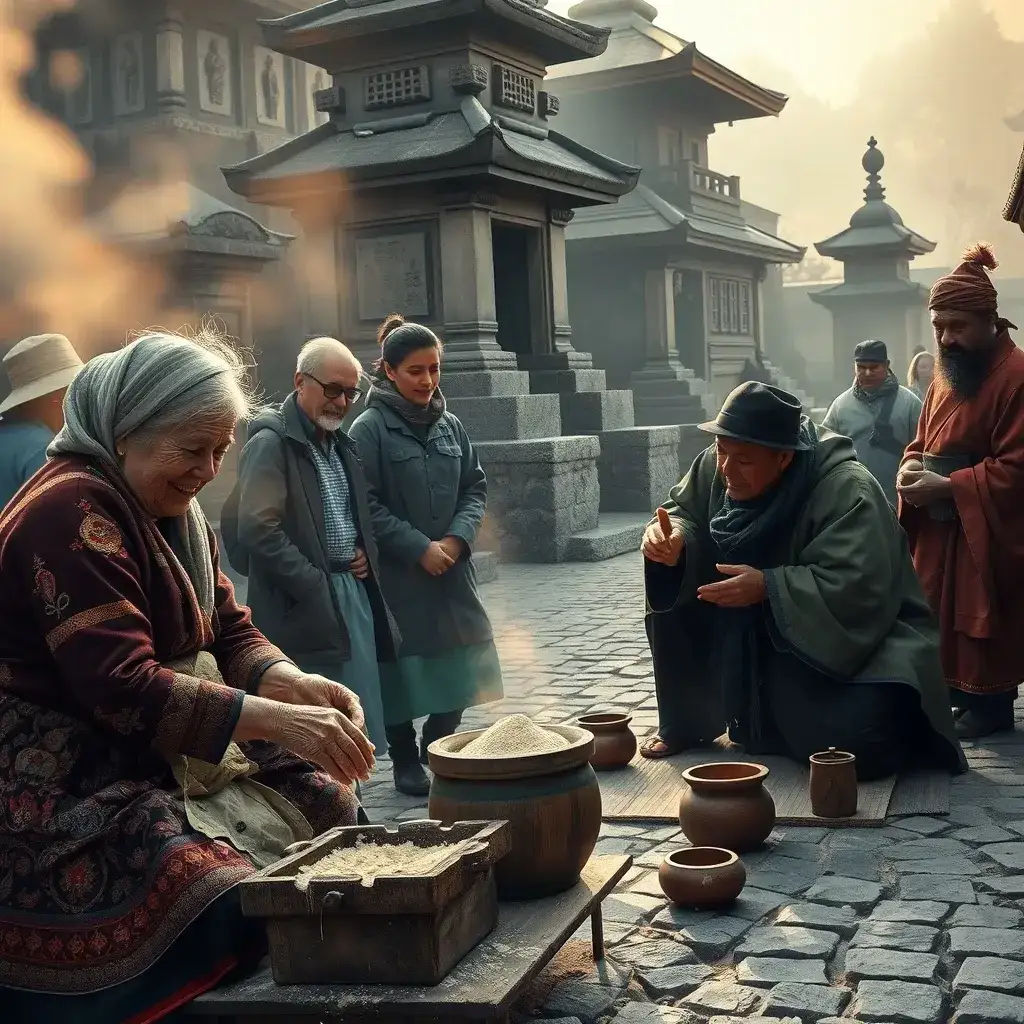
The first light of dawn spills over the cobblestone streets of a forgotten village, where the air hums with stories older than memory. Here, the past isn’t confined to dusty museums or static plaques—it breathes, moves, and whispers through the cracks of time. This is the heart of interactive historical tours, where travelers don’t just observe history; they step into its shoes, touch its scars, and listen to its heartbeat. It’s a form of travel that demands more than a passport; it requires curiosity, empathy, and a willingness to let the past reshape the present.
The Alchemy of Immersion
Imagine standing in the shadow of a crumbling temple, not as a spectator, but as a participant in an ancient ritual. The guide isn’t just reciting dates and names; they’re a storyteller, a bridge between eras, weaving tales of love, betrayal, and resilience that echo through the stones. This is the magic of anthropological travel experiences—where every artifact, every ruin, every faded mural becomes a portal. In Oaxaca, Mexico, travelers don’t just learn about Zapotec civilization; they grind corn with local women, their hands mimicking movements passed down through generations. In Kyoto, Japan, visitors don’t just admire tea ceremonies; they kneel on tatami mats, their fingers trembling as they whisk matcha, tasting the bitterness of tradition in every sip.
These experiences aren’t about ticking boxes on a checklist. They’re about transformation. When you knead dough with a Sicilian nonna, her laughter ringing in your ears, or when you trace the carvings of a 1,000-year-old Viking ship with your fingertips, history stops being a distant concept. It becomes a living, breathing entity that wraps around your soul and refuses to let go. This is the power of experiential eco-tourism—where the environment isn’t just a backdrop but an active participant in the narrative, where every rustle of leaves or ripple in a river tells a story of its own.
The Slow Travel Manifesto
In a world obsessed with speed, the slow travel movement is a radical act of defiance. It’s about trading itineraries for intuition, rushing for reflection, and snapshots for soul-searching. Picture this: a week in a single village, where your mornings begin with the crow of a rooster and your evenings end with the flicker of fireflies. You don’t just pass through; you linger, you listen, you let the rhythm of the place seep into your bones. This is the essence of hyper-local travel—where the most profound adventures aren’t found in guidebooks but in the unscripted moments: a shared meal with a family, a spontaneous dance under the stars, or the quiet revelation of watching a potter shape clay with hands that have done so for decades.
Slow travel isn’t about seeing less; it’s about experiencing more. It’s the difference between skimming the surface and diving deep, between collecting souvenirs and collecting stories. In the hills of Tuscany, travelers on culinary heritage tours don’t just sample wine; they walk the vineyards with the winemaker, their boots sinking into the earth that nurtures the grapes. They learn that every bottle carries the weight of sun, soil, and sweat—a testament to the land and the people who tend it. This is travel as a form of reverence, where every step is a prayer and every encounter a blessing.
The Regenerative Promise
But what if travel could do more than just leave footprints? What if it could heal, restore, and regenerate? This is the promise of regenerative travel planning—a philosophy that seeks not just to minimize harm but to leave places better than we found them. It’s a shift from “take only memories, leave only footprints” to “give back more than you take.” In Costa Rica, wildlife conservation tourism isn’t just about spotting toucans in the wild; it’s about planting trees to restore their habitats, about learning from biologists who dedicate their lives to protecting these fragile ecosystems. In the Scottish Highlands, regenerative travel means participating in peatland restoration, your hands digging into the earth to help revive landscapes that have been carbon sinks for millennia.
This is travel with purpose, where every journey becomes an act of love for the planet and its people. It’s about choosing homestays over hotels, local guides over tour buses, and experiences that nourish the soul while nurturing the land. In the Peruvian Andes, community-led tourism isn’t just a way to see Machu Picchu; it’s an opportunity to live with Quechua families, to learn their language, to share in their struggles and triumphs. These are the moments that redefine what it means to be a traveler—not as a consumer, but as a custodian of the world’s stories and wonders.
The Unseen Threads of Connection
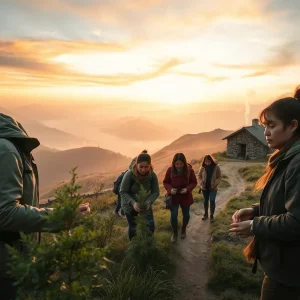
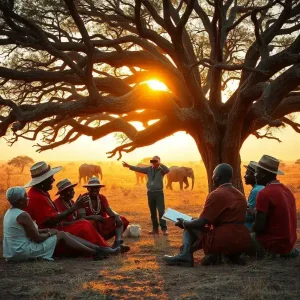
At its core, transformative travel is about connection—with the land, with its people, and with the hidden parts of ourselves that only reveal themselves when we step out of our comfort zones. It’s in the quiet conversations with a Maasai elder in Kenya, where you realize that wisdom isn’t measured in years but in the depth of one’s relationship with the earth. It’s in the adrenaline rush of an adventure skill workshop, where you learn to navigate a river or scale a cliff, your heart pounding not just from exertion but from the sheer joy of discovery. These are the moments that crack us open, that remind us we are part of something far greater than ourselves.
Off the beaten path, the world reveals its most intimate secrets. In the remote villages of Bhutan, travelers don’t just hike through mountains; they participate in archery tournaments, the national sport, their arrows flying alongside those of locals who cheer with equal enthusiasm for strangers as they do for neighbors. In the Arctic Circle, indigenous guides don’t just show you the Northern Lights; they share the legends of their ancestors, their voices weaving the aurora’s dance into a tapestry of myth and meaning. These are the experiences that linger long after the journey ends, not as photographs in an album, but as echoes in the soul.
When we travel with intention, we become more than visitors; we become storytellers, guardians, and students of the world. The trails we walk are not just paths through landscapes but journeys into the heart of humanity. And in a world that often feels fractured, these connections are the threads that stitch us back together, one step, one story, one shared moment at a time. The unwritten trails are waiting—not just to be explored, but to be lived, felt, and remembered as the chapters of a life well-traveled.