The Forgotten Flavors: How Culinary Heritage Tours Are Reviving the Soul of Hyper-Local Travel
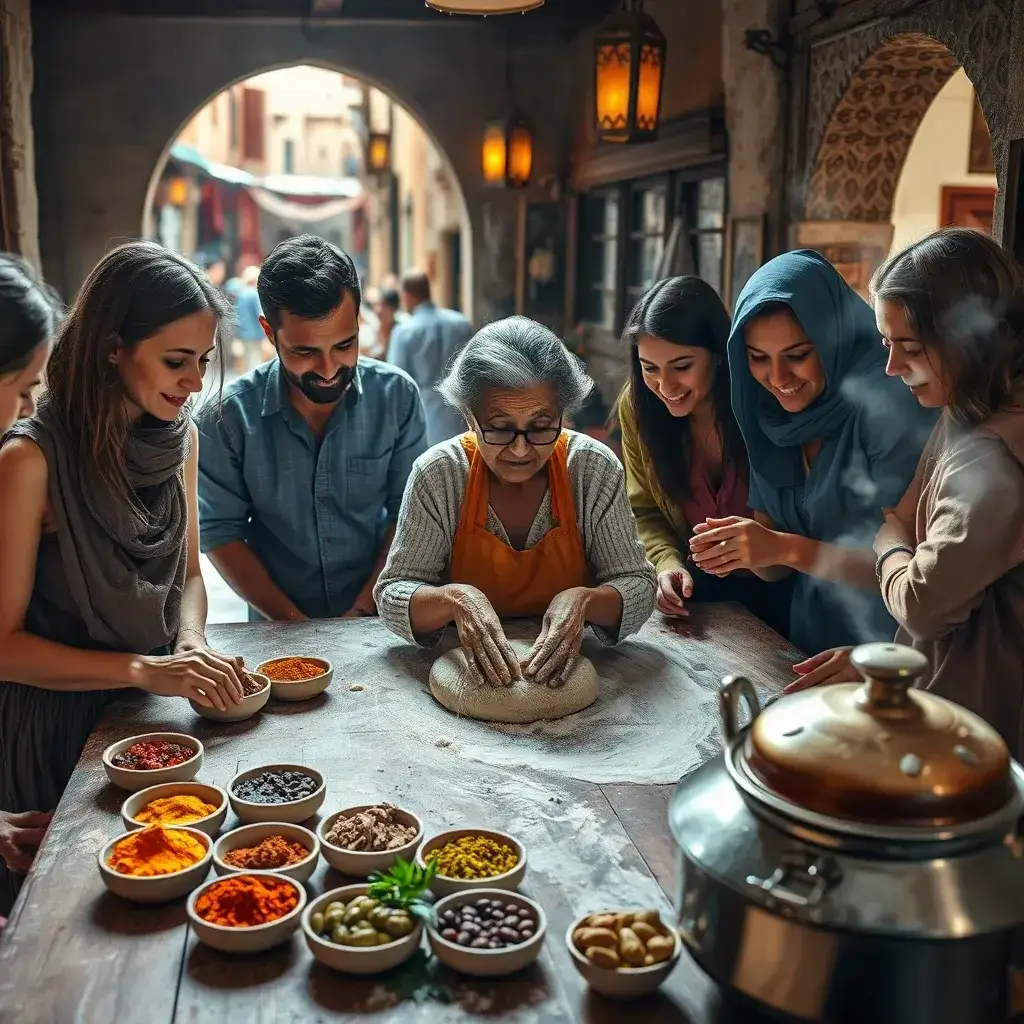
There’s something almost sacred about the way a grandmother kneads dough, her hands moving with the rhythm of generations before her. The scent of spices toasting in an iron pan, the crackle of wood in a clay oven, the hushed stories exchanged over steaming bowls—these are the moments that linger long after the last bite. Culinary heritage tours are not just about tasting food; they are about savoring the essence of a place, its people, and the traditions that have shaped them. In a world where travel often feels rushed and superficial, these experiences offer a slow, immersive dive into the heart of a culture, one flavor at a time.
The Alchemy of Ingredients and Stories
Imagine wandering through the labyrinthine alleys of a Moroccan medina, where the air is thick with the aroma of cumin, saffron, and slow-cooked lamb. A local guide, perhaps a third-generation spice merchant, leads you to a hidden courtyard where a family has been preparing tagines for centuries. The meal isn’t just served; it’s narrated. Each spice, each technique, each bite is a chapter in a story that stretches back hundreds of years. This is the magic of culinary heritage tours—they transform a simple meal into a living, breathing connection to the past.
In Italy, it might be a nonna in a sun-drenched Tuscan kitchen, teaching you to roll pasta so thin you can see the sunlight through it. In Japan, it could be a master sushi chef in a tiny Tokyo restaurant, revealing the secrets of perfectly vinegared rice. These experiences are not about gourmet dining or Instagram-worthy plates. They are about the raw, unfiltered beauty of food as a cultural artifact, a vessel for memory, and a bridge between strangers.
Beyond the Plate: The Ripple Effect of Hyper-Local Travel
Culinary heritage tours do more than feed the soul—they nourish communities. When travelers seek out these experiences, they’re not just supporting local chefs and guides; they’re investing in the preservation of traditions that might otherwise fade. In Oaxaca, Mexico, for example, the resurgence of interest in ancestral cooking methods has empowered indigenous Zapotec women to reclaim their culinary heritage. By sharing their knowledge with visitors, they’re not only earning a livelihood but also ensuring that their recipes, techniques, and stories endure for future generations.
This is the essence of hyper-local travel: it’s regenerative. It doesn’t just take from a destination; it gives back. The money spent on a cooking class in a family’s home or a market tour with a local guide circulates within the community, fostering economic resilience. But the impact goes deeper. These experiences foster pride in local culture, encouraging younger generations to see value in their heritage. They create a ripple effect, where the act of sharing a meal becomes an act of cultural preservation.
The Slow Travel Movement: Savoring Every Bite
In an era of fast food and faster travel, culinary heritage tours are a rebellion. They demand that we slow down, pay attention, and engage with the world in a way that’s meaningful. There’s no rushing through a multi-course meal in a Peruvian village, where each dish is a labor of love. There’s no skimming the surface when you’re learning to make kimchi in a Seoul hanok, your hands stained with chili paste and your heart full of stories. These experiences require presence, and in return, they offer something rare: a sense of belonging.
The slow travel movement isn’t just about taking your time; it’s about traveling with intention. It’s about choosing depth over breadth, connection over convenience. Culinary heritage tours embody this philosophy perfectly. They force us to step off the beaten path and into the kitchens, markets, and homes where the real magic happens. They remind us that travel isn’t just about seeing new places—it’s about experiencing them, one bite at a time.
From Farm to Fork: The Adventure of Authentic Interaction
For those who crave adventure, culinary heritage tours offer a different kind of thrill. It’s the adventure of the senses: the sting of wasabi on your tongue in a Kyoto sushi bar, the earthy richness of truffle-infused oil in a Croatian village, the fiery kick of a freshly made chili paste in a Thai floating market. But it’s also the adventure of human connection. There’s something profoundly moving about sitting down to a meal with strangers and leaving as friends, bonded by the shared experience of food and storytelling.
These tours often take you beyond the kitchen, too. In Portugal, you might start your day foraging for wild mushrooms in the forest, then learn to turn them into a rich, earthy stew. In Vietnam, you could visit a family-run rice farm, where you’ll help plant or harvest before sitting down to a meal made from the very grains you touched. These experiences blur the line between traveler and participant, inviting you to roll up your sleeves and engage with the land and its people in a way that’s deeply personal.
The Future of Travel: A Seat at the Table
As the world becomes increasingly homogenized, the desire for authentic, meaningful travel experiences grows stronger. Culinary heritage tours offer a way to cut through the noise and connect with the essence of a place. They remind us that food is more than sustenance—it’s history, identity, and art all rolled into one. And in a time when so many traditions are at risk of being lost, these experiences become acts of resistance, a way to honor and preserve the flavors that define us.
So the next time you travel, consider skipping the tourist traps and seeking out the places where food and culture collide. Let yourself be guided by the scent of spices in the air, the warmth of a stranger’s kitchen, the stories simmering in every pot. Because the most unforgettable journeys aren’t measured in miles—they’re measured in moments, in flavors, in the connections that leave you forever changed. And sometimes, all it takes is a single bite to realize that the world is far more delicious than you ever imagined.