The Soul of the Wild: How Wildlife Conservation Tourism and Transformative Travel Are Rewriting the Rules of Exploration
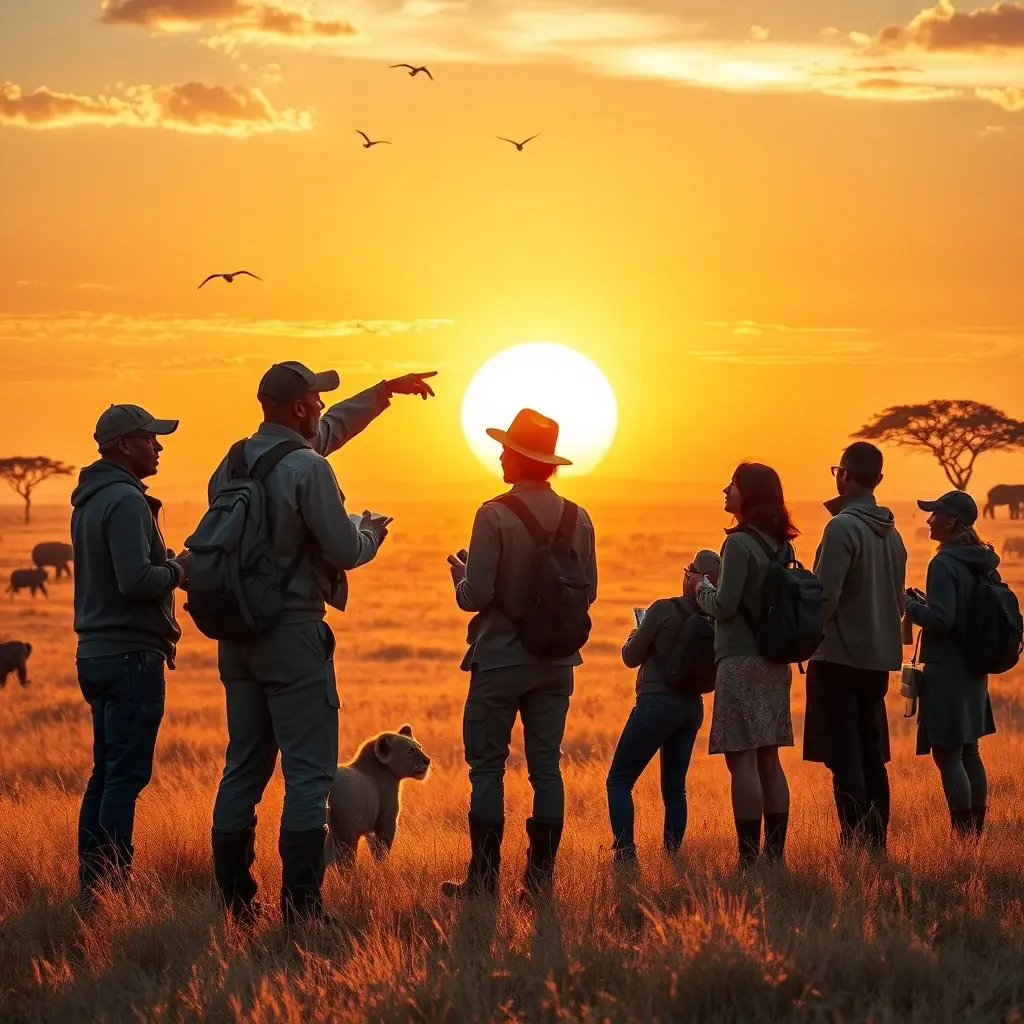
There is a quiet magic in the moment when the first light of dawn spills over the savanna, painting the golden grass in hues of amber and rose. The air hums with the distant call of a lion, a sound so primal it vibrates through your bones, awakening something ancient within. This is not just a sunrise—it is an invitation. An invitation to step beyond the boundaries of ordinary travel and into the heart of the wild, where every rustle of leaves and distant roar is a lesson in survival, coexistence, and the fragile beauty of our planet. Wildlife conservation tourism is not merely about witnessing nature; it is about becoming part of its rhythm, its struggles, and its triumphs.
The Call of the Untamed
For too long, travel has been reduced to a checklist of landmarks, a race to capture the perfect photograph before moving on to the next destination. But what if we dared to slow down? What if we allowed ourselves to be transformed by the places we visit, rather than simply passing through them? Wildlife conservation tourism offers this rare gift—a chance to immerse ourselves in the untamed world while contributing to its preservation. It is travel with purpose, where every footprint left behind is a step toward safeguarding the future of endangered species and their habitats.
Imagine standing in the dense forests of Rwanda, the mist curling around your ankles as you lock eyes with a mountain gorilla. The sheer presence of this majestic creature, so close yet so wild, is a humbling reminder of our shared existence on this planet. These encounters are not staged; they are sacred. They demand respect, patience, and a deep understanding of the delicate balance between human curiosity and the natural world. Conservation tourism flips the script on traditional safaris by ensuring that the welfare of wildlife comes first, and the experiences we gain are a privilege, not a right.
Where Adventure Meets Advocacy
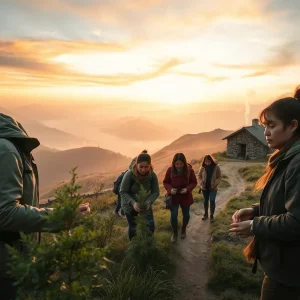
The most profound journeys are those that challenge us, not just physically, but emotionally and intellectually. Wildlife conservation tourism is the ultimate adventure-based learning experience, where every day is a classroom without walls. Whether it’s tracking elephants in Botswana, monitoring sea turtle nests in Costa Rica, or rehabilitating injured wildlife in Australia, these experiences teach us more than we could ever learn from a textbook. They teach us empathy, resilience, and the power of collective action.
Take, for example, the story of a traveler who joins a research team in the Galápagos Islands. For weeks, they work alongside scientists, collecting data on marine iguanas, observing the behaviors of giant tortoises, and learning about the fragile ecosystems that inspired Darwin’s theory of evolution. The knowledge gained is invaluable, but the transformation runs deeper. They leave not just with memories, but with a renewed sense of responsibility—a commitment to protect these islands and the species that call them home. This is the essence of transformative travel: it doesn’t just change how we see the world; it changes how we live in it.
The Ripple Effect of Regenerative Travel
Conservation tourism is not a one-way street. When done right, it creates a ripple effect that benefits both the environment and local communities. In Kenya, for instance, community-led conservancies have turned former poachers into wildlife guardians, offering them alternative livelihoods that align with the preservation of their land. Travelers who visit these conservancies contribute directly to these efforts, funding anti-poaching patrols, education programs, and sustainable development projects. The result? A model of travel that regenerates rather than depletes, where every dollar spent leaves a positive impact.
This is the future of travel—a future where we no longer see ourselves as separate from nature, but as stewards of it. It’s a future where the thrill of spotting a leopard in the wild is matched by the satisfaction of knowing that your presence helps protect its habitat. It’s a future where travel is not just about seeing the world, but about saving it.
The Unseen Guardians of the Wild
Behind every successful conservation project are the unsung heroes: the rangers, researchers, and local guides who dedicate their lives to protecting wildlife. These are the people who know the land like the back of their hands, who can read the signs of the wild as easily as we read a map. They are the ones who stay up all night monitoring nests, who brave the elements to track elusive species, and who risk their lives to stop poachers. When we engage in wildlife conservation tourism, we don’t just witness their work—we become part of it.
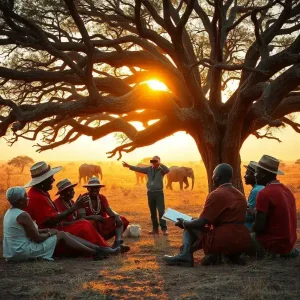
In the remote corners of the Amazon, indigenous communities are leading the charge in protecting their ancestral lands from deforestation and illegal mining. Travelers who venture here are not just observers; they are allies. They learn from these communities, sharing knowledge and forging bonds that transcend language and culture. These interactions are the heartbeat of authentic local interaction, where travel becomes a bridge between worlds, fostering mutual respect and understanding.
The Slow Travel Movement Meets the Wild
In a world that moves at breakneck speed, the slow travel movement is a rebellion—a call to savor the journey rather than rush through it. Wildlife conservation tourism is the perfect embodiment of this philosophy. It demands patience, presence, and a willingness to let go of rigid itineraries. There are no guarantees in the wild. A sighting of a rare bird might require hours of waiting, a trek through dense forests, or a stroke of luck. But that’s the beauty of it. The unpredictability is what makes these moments so precious.
Consider the traveler who spends a week in a remote lodge in Madagascar, waiting for the chance to see a lemur in the wild. Each day brings new discoveries—a chameleon camouflaged in the leaves, the haunting call of a sifaka at dusk, the simple joy of sharing a meal with local guides who have become friends. By the time the lemur finally appears, leaping effortlessly through the trees, the traveler understands that the experience was never just about the lemur. It was about the journey—the quiet moments, the shared stories, the deep connection to a place and its people.
The wild has a way of stripping away the noise of modern life, leaving only the raw, unfiltered truth of our existence. It reminds us that we are not separate from nature, but a part of it. And in that realization, we find not just adventure, but a deeper sense of purpose. The trails we walk, the species we protect, and the communities we support become threads in a larger tapestry—a tapestry of hope, resilience, and the enduring power of the natural world. The question is no longer whether we can afford to travel this way, but whether we can afford not to.