The Soul of the Unwritten Map: How Anthropological Travel and Wildlife Conservation Are Crafting the Future of Regenerative Discovery
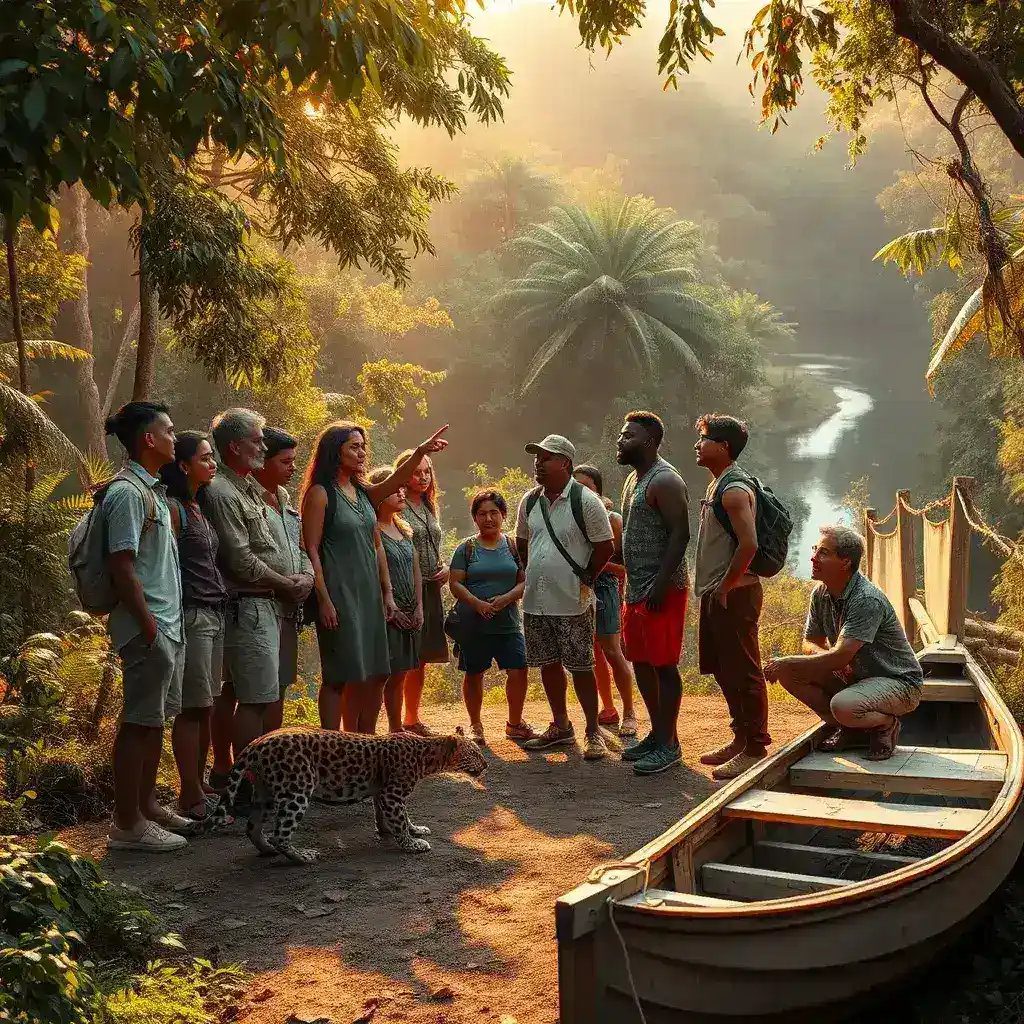
There is a quiet magic in the places where the earth breathes without interruption, where the stories of the land are etched not in ink but in the wind, the rustling leaves, and the footprints of those who came before. These are the spaces where anthropological travel and wildlife conservation tourism converge, not as separate pursuits, but as threads of the same tapestry—a tapestry woven with intention, respect, and the unshakable belief that travel can be a force for regeneration. This is the soul of the unwritten map, where every journey becomes an act of discovery, not just of the world, but of ourselves.
The Alchemy of Presence: Why Slow Travel is the Antidote to the Modern Rush
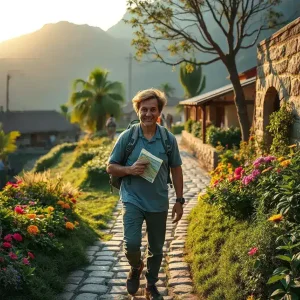
We live in an era of instant gratification, where the world is reduced to pixels on a screen and experiences are measured in likes rather than depth. But what if we dared to slow down? What if we traded the hurried checklist of tourist traps for the unhurried rhythm of a village where time moves with the sun? The slow travel movement is not just about taking longer routes—it’s about sinking into the essence of a place, allowing its stories to seep into your bones. It’s about sitting with a farmer in the terraced fields of Vietnam as he explains the ancient art of rice cultivation, or sharing a meal with a Maasai elder in Kenya, listening as he recounts the oral histories of his people. These moments are not mere pauses in a journey; they are the journey itself.
When we slow down, we begin to notice the details—the way the light filters through the canopy of a rainforest, the symphony of birdsong at dawn, the intricate patterns of a handwoven textile. We start to understand that travel is not about collecting destinations, but about forging connections—with the land, with its people, and with the wild creatures that call it home. This is where regenerative travel planning takes root, not as a trend, but as a philosophy. It’s the understanding that every choice we make as travelers—where we stay, what we eat, how we move—has a ripple effect, and that our presence can either deplete or nourish the places we visit.
Where the Wild Things Are: The Sacred Intersection of Conservation and Cultural Immersion
There is a place in the Peruvian Amazon where the river bends like a question mark, and the trees stand as silent sentinels to centuries of untold stories. Here, wildlife conservation tourism is not a spectator sport, but a sacred pact between humans and nature. Travelers who venture into these depths don’t just observe—they participate. They learn to track jaguars with indigenous guides, understanding that the forest’s survival is intertwined with the survival of its people. They plant trees not as a token gesture, but as a promise to the earth, a small act of restitution for the harm that has been done.
This is the heart of experiential eco-tourism—a model that transcends the traditional boundaries of travel by making conservation an immersive, hands-on experience. In Namibia, visitors don’t just go on safari; they work alongside conservationists to monitor cheetah populations, learning that the true measure of a journey is not the number of photographs taken, but the number of lives touched—human and animal alike. In Madagascar, travelers don’t just marvel at the lemurs; they help reforest the land, ensuring that these enchanting creatures have a home for generations to come.
But conservation is not just about the wild—it’s also about the people who have lived in harmony with it for millennia. Anthropological travel invites us to step into the shoes of those who have safeguarded these lands long before the term “eco-tourism” was coined. It’s about learning from the San people of the Kalahari how to read the language of the stars, or from the Inuit of Greenland how to navigate the ice with nothing but intuition and respect. These are not lessons learned from a guidebook; they are wisdom passed down through generations, a living testament to the idea that the earth does not belong to us—we belong to the earth.
The Unseen Curriculum: How Adventure-Based Learning Transforms Travelers into Stewards
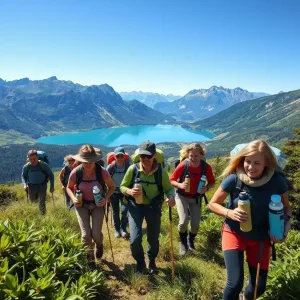
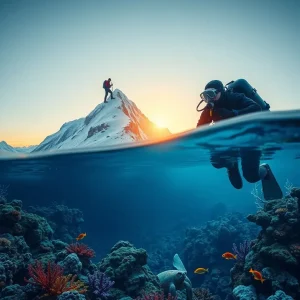
What if travel was less about escape and more about evolution? What if every journey had the power to change not just where we go, but who we become? Adventure-based learning is the bridge between exploration and transformation, a way of traveling that turns the world into a classroom without walls. It’s the surfer in Costa Rica learning not just how to ride the waves, but how to protect the coral reefs that sustain them. It’s the mountaineer in Nepal not just summiting peaks, but understanding the fragile ecosystems that cling to their slopes. It’s the traveler in Morocco not just buying spices at the souk, but learning how to cook with them from a local chef, carrying the flavors—and the stories—home.
This kind of travel doesn’t just fill photo albums; it fills the soul. It teaches us that the most profound lessons are not found in museums or monuments, but in the quiet moments of connection—holding a sea turtle hatchling as it makes its first journey to the ocean, or sitting in a circle with a group of women in Rwanda as they share the art of basket weaving, each pattern a story, each stitch a testament to resilience. These are the experiences that linger long after the passport stamps fade, the ones that shape not just our memories, but our values.
The Ripple Effect: How Your Choices Craft the Future of Travel
Every journey begins with a single step, but the direction of that step matters. When we choose to travel regeneratively, we are not just making a statement—we are casting a vote for the kind of world we want to live in. We are saying that the places we visit are not mere backdrops to our adventures, but living, breathing entities that deserve our care. We are acknowledging that the people who call these places home are not just characters in our travel stories, but the authors of their own narratives, deserving of respect, dignity, and partnership.
This is the future of travel—a future where community-led tourism empowers local voices, where heritage interpretation tours breathe new life into ancient traditions, and where every traveler leaves a place not just as they found it, but better. It’s a future where the unwritten map is not a blank space to be conquered, but a living document to be honored, explored, and protected. And it starts with a simple, radical idea: that the most extraordinary journeys are not the ones that take us far from home, but the ones that bring us closer to the heart of what it means to be human.
The earth has always been our greatest teacher, whispering its lessons in the rustle of leaves, the crash of waves, and the laughter of children playing in a village square. The question is not whether we will listen, but how deeply we are willing to hear. The unwritten map is waiting. The only thing left to decide is where the next step will lead.