The Pulse of the Land: How Wildlife Conservation Tourism and Adventure Skill Workshops Are Crafting the Soul of Regenerative Journeys
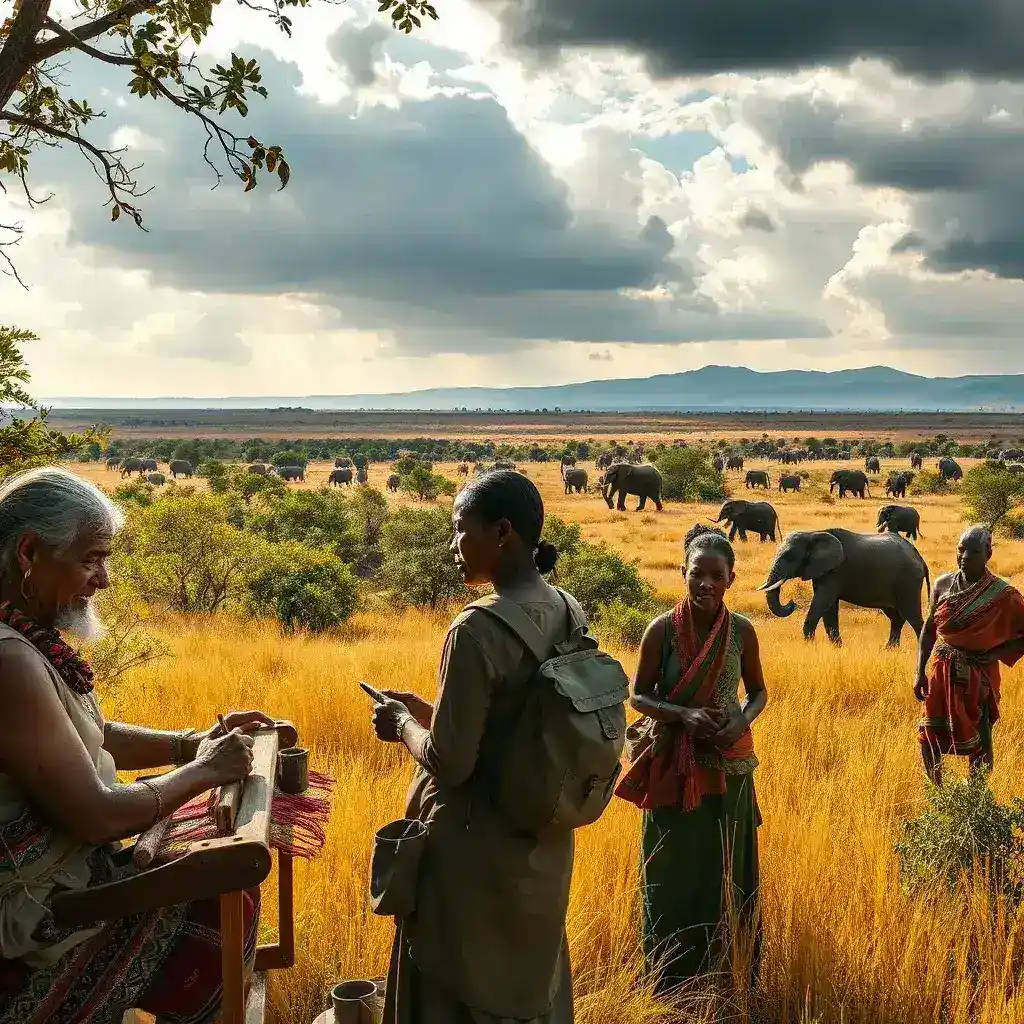
There is a quiet magic in the moment when the first light of dawn spills over the savanna, painting the golden grass in hues of amber and rose. The air hums with the distant call of a bird, the rustle of leaves, and the soft, rhythmic breath of the earth itself. This is not just a sunrise—it is an awakening, a sacred dialogue between traveler and terrain, where every step forward is a promise to listen, to learn, and to leave the land richer than you found it. This is the heart of wildlife conservation tourism, a movement that transcends mere observation and invites us into a deeper, more intimate relationship with the wild.
The Alchemy of Presence: Where Conservation Meets Connection
Wildlife conservation tourism is not about the thrill of the chase or the fleeting glimpse of a majestic creature through a safari jeep window. It is about presence—the kind that demands stillness, patience, and reverence. In places like Rwanda’s Volcanoes National Park, where the mist-cloaked peaks cradle the last remaining mountain gorillas, travelers are not passive spectators but active participants in a story of survival and renewal. Here, every encounter is a lesson in humility, a reminder that we are but one thread in the vast tapestry of life. Guides, often former poachers turned protectors, lead small groups on treks that fund anti-poaching patrols, habitat restoration, and community education. The gorillas, with their soulful eyes and gentle demeanor, become ambassadors for a world that is both fragile and fiercely resilient.
This is regenerative travel in its purest form: a journey that gives back more than it takes. It is not enough to simply witness the beauty of the natural world; true conservation tourism demands that we roll up our sleeves and contribute to its preservation. Whether it’s planting trees in the Amazon to offset carbon footprints, participating in coral restoration dives in the Maldives, or joining anti-wildlife trafficking patrols in South Africa, these experiences transform travelers into stewards of the earth. The land, in turn, offers its wisdom—teaching us about resilience, interdependence, and the quiet strength of the wild.
The Forge of Adventure: Where Skills Become Stories
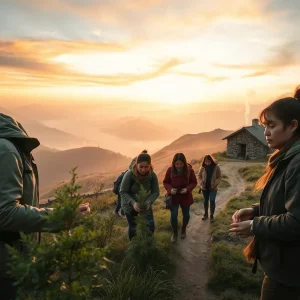
But what if travel could be more than just a passive act of giving back? What if it could also be a crucible for personal transformation, a place where adventure and skill-building merge to forge something entirely new? This is the promise of adventure skill workshops, where the thrill of discovery is matched only by the satisfaction of mastering something tangible. Imagine learning to track wildlife with Maasai warriors in Kenya, their keen eyes deciphering the language of the bush—a snapped twig here, a disturbed patch of earth there—while you stand in awe of their deep, ancestral knowledge. Or picture yourself in the rugged highlands of Peru, where Quechua artisans teach you the ancient art of weaving, their fingers deftly spinning wool into vibrant patterns that tell stories of their people and their land.
These workshops are not just about acquiring new skills; they are about rewiring the way we see the world. When you learn to navigate by the stars with Bedouin guides in the Wadi Rum desert, the night sky becomes a map, and the constellations whisper secrets of survival and navigation. When you build a traditional dugout canoe with Indigenous craftsmen in the Amazon, the river is no longer just a body of water—it is a lifeline, a highway, a source of sustenance and story. These experiences strip away the layers of modern detachment, reconnecting us with the primal, hands-on ways of knowing that our ancestors relied upon. They remind us that travel is not just about seeing new places but about becoming new versions of ourselves.
The Ripple Effect: How Small Actions Create Waves of Change
The beauty of regenerative travel lies in its ripple effect. A single traveler who plants a tree in Madagascar might inspire a local community to launch a reforestation initiative. A group of volunteers who help rebuild a coral reef in Thailand might spark a movement that transforms the way an entire island approaches marine conservation. When you learn to weave with Quechua artisans, you are not just preserving a craft—you are ensuring that their stories, their struggles, and their triumphs are carried forward into the future. These small acts of connection and contribution create waves that extend far beyond the individual, shaping the destinies of communities and ecosystems alike.
And yet, the most profound ripple is the one that travels inward. When we step into the wild with intention, when we learn from those who have lived in harmony with the land for generations, we begin to see ourselves differently. We realize that we are not separate from nature but a part of it—a single, fragile thread in the grand, unfolding story of life. This realization is both humbling and empowering. It reminds us that our choices matter, that our actions have consequences, and that the future of the planet is not something that happens to us but something we actively shape with every step we take.
The Unseen Threads: Weaving Community and Conservation Together
At the heart of wildlife conservation tourism and adventure skill workshops is a simple but revolutionary idea: that travel should be a force for good—not just for the traveler, but for the communities and ecosystems that welcome them. This is where community-led tourism comes into play, offering a model that prioritizes local voices, knowledge, and leadership. In Namibia, the Himba people have opened their villages to travelers, sharing their traditions, their stories, and their struggles in a way that fosters mutual respect and understanding. Visitors do not come as passive observers but as guests, invited to participate in daily life—herding cattle, grinding maize, or learning the intricate art of Himba beadwork. The income generated from these experiences goes directly to the community, funding education, healthcare, and conservation efforts that protect the land they have called home for centuries.
This model of travel is not without its challenges. It requires a delicate balance—honoring the authenticity of local cultures while ensuring that tourism does not exploit or commodify them. It demands that travelers approach their journeys with humility, curiosity, and a willingness to listen. But when done right, community-led tourism becomes a powerful tool for empowerment, a way for Indigenous and local communities to reclaim their narratives, their land, and their futures. It is a reminder that the most transformative travel experiences are not those that take us far from ourselves but those that bring us closer to the heart of what it means to be human.
The Language of the Wild: Learning to Listen
There is a language that exists beyond words, a silent conversation that unfolds between the traveler and the land. It is the rustle of leaves in the wind, the call of a bird at dusk, the way the light filters through the trees at golden hour. To truly engage with wildlife conservation tourism is to learn this language, to attune your senses to the subtle rhythms of the natural world. It is to sit in silence with a group of elephants in Botswana, watching as they communicate through low rumbles and gentle touches, their bonds as deep and complex as any human family. It is to stand on the edge of a cliff in Patagonia, the wind whipping around you, and feel the sheer, unbridled power of the earth beneath your feet.
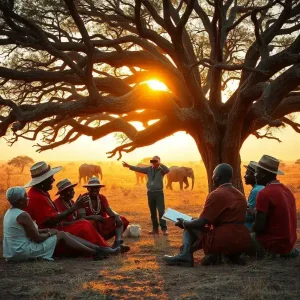
This language is not just heard—it is felt. It is the way your heart races when you spot a snow leopard in the Himalayas, its golden eyes meeting yours for a fleeting, electric moment. It is the way your breath catches when you witness the Great Migration in the Serengeti, a river of wildebeest stretching as far as the eye can see, their hooves pounding the earth like a heartbeat. It is the way your soul settles when you sit by a fire in the Australian outback, listening to Aboriginal elders share stories of the Dreamtime, their words weaving the past and present into a single, timeless tapestry. To listen to the wild is to remember that we are not just visitors on this planet but a part of its story, bound by threads of connection that stretch back to the very beginning of time.
The world is not a place to be conquered but a living, breathing entity to be cherished. Every journey we take is an opportunity to deepen our understanding of this truth, to move beyond the superficial and into the sacred. Whether we are tracking gorillas in the mist, weaving with Quechua artisans, or sitting in silence with a herd of elephants, we are not just exploring the world—we are being transformed by it. And in that transformation, we find not just the soul of travel but the soul of ourselves, reflected back to us in the eyes of the wild, the hands of the artisans, and the quiet, enduring pulse of the land.