The Soul of the Unseen Trail: How Slow Travel and Authentic Local Interaction Are Crafting the Future of Regenerative Journeys
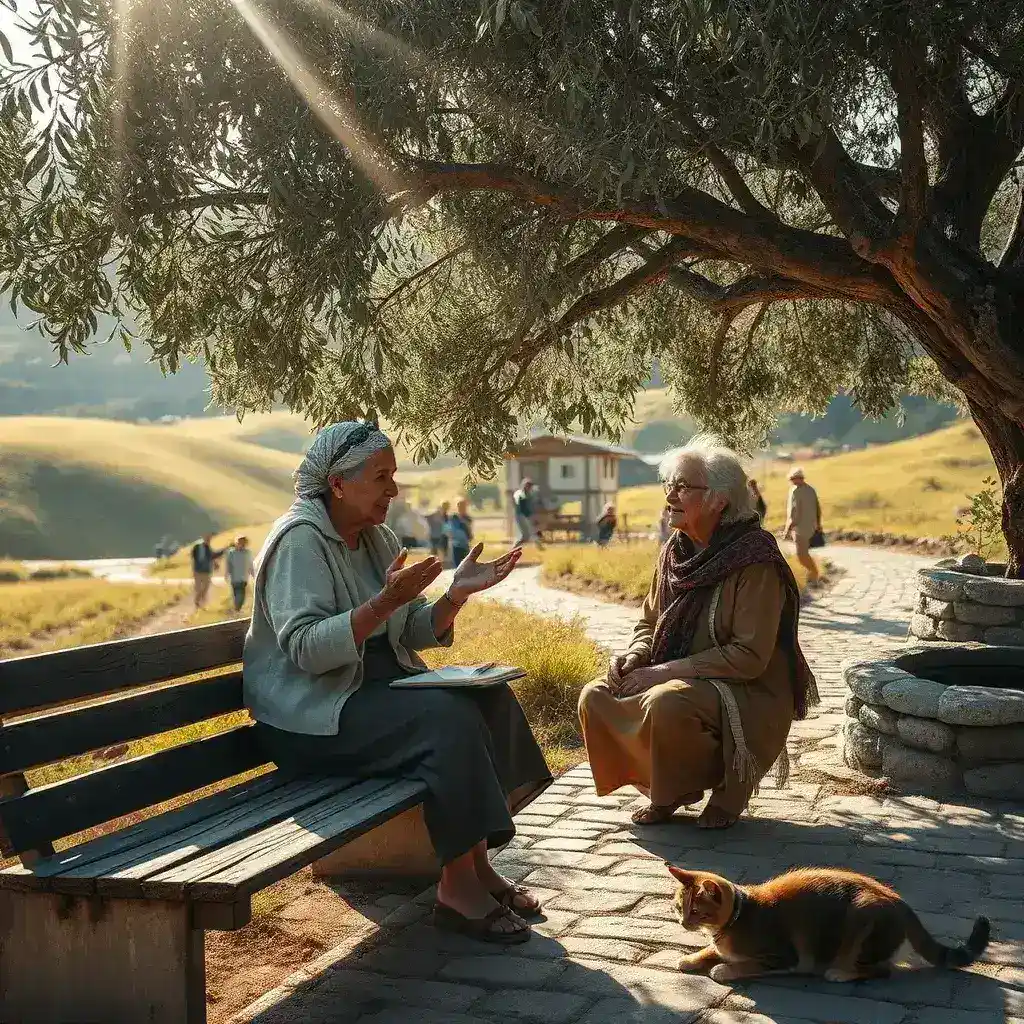
There is a quiet revolution unfolding along the dusty backroads and hidden alleyways of the world—a movement that whispers of deeper connections, slower rhythms, and the kind of travel that doesn’t just take from a place but gives back in equal measure. This is the soul of the unseen trail, where the journey is not about ticking off landmarks on a checklist but about immersing yourself in the heartbeat of a destination. It’s where slow travel and authentic local interaction converge to create something far more profound than a mere vacation: a regenerative experience that leaves both traveler and host transformed.
The Art of Lingering
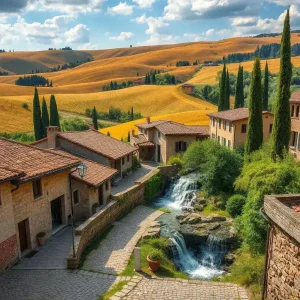
In a world obsessed with speed, slow travel is an act of rebellion. It’s the choice to spend a week in a single village rather than racing through five cities in seven days. It’s the decision to wake up with the sun, sip tea with a local family, and let the day unfold without an agenda. This unhurried pace isn’t laziness—it’s intentionality. It’s about allowing yourself to be fully present, to notice the way the light filters through the leaves of an ancient olive tree or how the scent of freshly baked bread mingles with the morning air. When you slow down, the world reveals its layers, and suddenly, the place you’re visiting isn’t just a backdrop for your photos; it becomes a living, breathing entity with stories to share.
Slow travel isn’t just about time—it’s about depth. It’s choosing to stay in a family-run guesthouse instead of a sterile hotel chain, where the walls echo with laughter and the meals are prepared with ingredients grown in the garden next door. It’s opting for a bicycle over a tour bus, feeling the wind on your face as you pedal through vineyards and past fields where farmers wave as you pass. This kind of travel doesn’t just show you a place; it lets you feel it, in all its messy, beautiful, imperfect glory.
The Alchemy of Authentic Connection
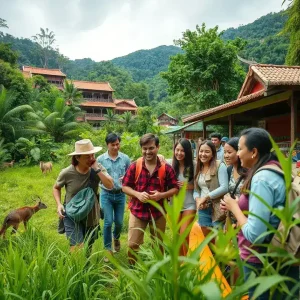
But slow travel alone isn’t enough. The magic happens when it’s paired with authentic local interaction—the kind that can’t be scripted or staged. This is where the real transformation begins. It’s in the shared meal where a grandmother teaches you to roll dough for the first time, her hands guiding yours with patient expertise. It’s in the late-night conversations with a fisherman who tells you about the changing tides and the way the sea has shaped his family for generations. These moments aren’t just memories; they’re the threads that weave together the fabric of a place and its people, creating a tapestry that you become a part of, if only for a little while.
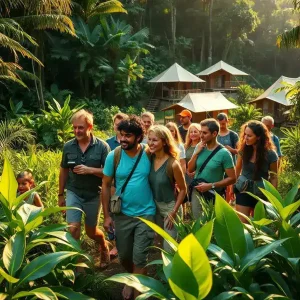
Authentic connection requires vulnerability. It means stepping out of your comfort zone, asking questions, and listening—not just with your ears, but with your heart. It’s about recognizing that the person serving you coffee at a roadside stall might have a story as rich and complex as any history book, and that their perspective is just as valid as yours. When you approach travel with this kind of openness, you’re no longer just a visitor; you become a temporary member of the community, someone who is trusted enough to be let in behind the curtain.
The Ripple Effect of Regenerative Travel
What makes this kind of travel regenerative? It’s the understanding that every interaction, every choice, has an impact. When you spend your money at a locally owned shop instead of a multinational chain, you’re not just buying a souvenir—you’re investing in someone’s livelihood. When you take the time to learn a few words in the local language, you’re honoring a culture that has existed long before you arrived. When you choose to travel slowly, you’re reducing your carbon footprint and giving back to the environment that sustains the places you love.
Regenerative travel is about leaving a place better than you found it. It’s about planting a tree in a village that has been deforested, or helping to restore a crumbling historic site. It’s about supporting women-led cooperatives that are preserving traditional crafts, or volunteering with a local organization that protects endangered wildlife. But it’s also about the intangible gifts—the stories shared, the friendships forged, the perspectives shifted. These are the things that don’t show up on a balance sheet but have the power to change lives, including your own.
The Unseen Trail Awaits
The most extraordinary journeys are often the ones that don’t follow a map. They’re the ones that lead you down an unmarked path, where the real destination isn’t a place but a feeling—the sense of having touched something real, something raw, something that lingers long after you’ve returned home. This is the unseen trail, where slow travel and authentic connection come together to create experiences that nourish the soul and regenerate the world. It’s not always comfortable, and it’s rarely convenient, but it’s always worth it. Because in the end, the most transformative travel isn’t about where you go; it’s about how deeply you let the journey change you.
So the next time you find yourself standing at the crossroads of a travel decision, ask yourself: Do you want to see the world, or do you want to experience it? The choice you make will determine not just the memories you bring home, but the kind of traveler—and the kind of person—you become. The unseen trail is calling. Will you answer?