The Soul of the Unseen Village: How Community-Led Tourism and Adventure-Based Learning Are Crafting the Future of Regenerative Bonds
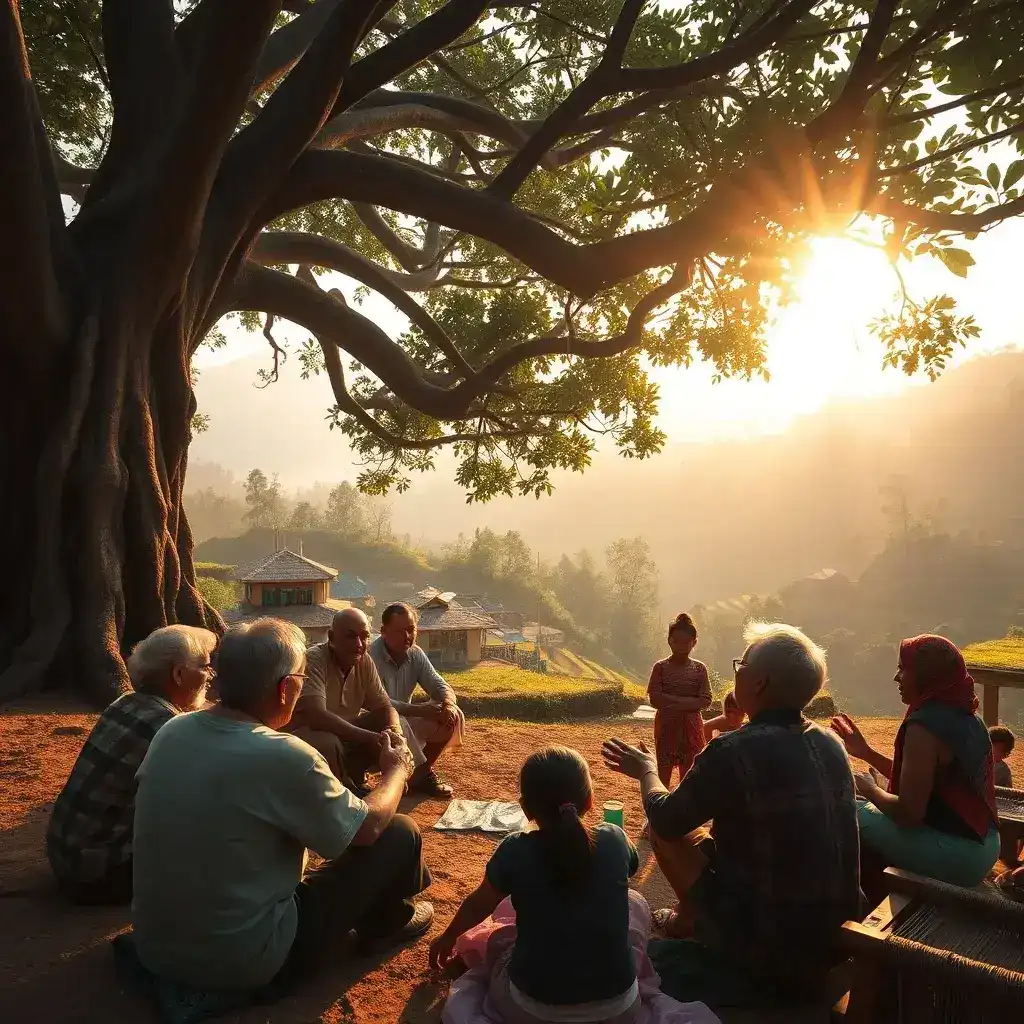
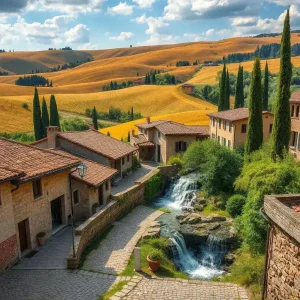
There is a quiet magic in the places where the map fades into memory, where the roads narrow into footpaths and the voices of the land rise above the hum of modernity. These are the unseen villages—pockets of the world where time moves differently, where the rhythm of life is dictated not by clocks but by the rising sun, the changing seasons, and the stories passed down through generations. Here, travel is not about ticking off landmarks or snapping the perfect photograph. It is about something far deeper: the slow, sacred art of belonging. And at the heart of this transformation lies community-led tourism, a movement that is redefining what it means to explore, to learn, and to give back.
The Alchemy of Presence
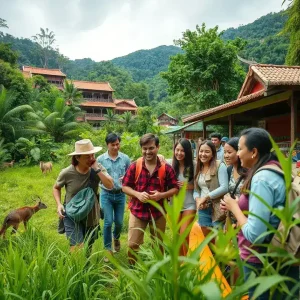
Imagine stepping into a village where the welcome is not a rehearsed script but a genuine invitation. Where the elders share tales of resilience under the shade of an ancient banyan tree, where children teach you the local dialect through songs and games, and where every meal is a celebration of the earth’s bounty. This is the essence of community-led tourism—a practice that shifts the power dynamic of travel, placing agency in the hands of those who call these places home. No longer are locals mere backdrops to a traveler’s journey; they become the architects of the experience, the keepers of wisdom, and the guardians of tradition.
In the highlands of Guatemala, the women of San Juan La Laguna weave not just textiles but stories of survival and creativity. Visitors are invited into their homes, where looms hum with the same patterns their grandmothers once wove. Here, tourism is not an extractive industry but a regenerative one. The income stays within the community, funding education and healthcare, while the act of sharing their craft becomes a bridge between worlds. It is a reminder that the most profound travel experiences are not those we consume, but those that consume us—leaving us forever changed, forever connected.
Adventure as a Classroom Without Walls
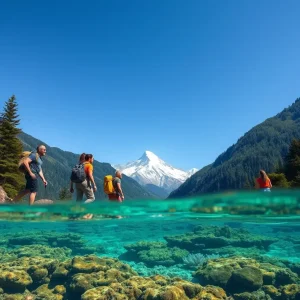
But what happens when we pair this deep, immersive connection with the raw, untamed energy of adventure-based learning? The result is nothing short of alchemy. Adventure, in this context, is not about adrenaline for its own sake. It is about using the natural world as a catalyst for growth, a mirror for self-discovery, and a classroom without walls. When communities lead these experiences, they become more than just guides—they become mentors, teaching not just skills but ways of seeing the world.
In the rugged landscapes of Rajasthan, India, the Bishnoi community has long been the custodians of their desert ecosystem. For centuries, they have lived by principles of conservation, protecting wildlife and forests with a devotion that borders on the spiritual. Today, they invite travelers to join them in their daily rituals—tracking desert foxes, learning the art of water conservation, or simply sitting beneath the vast, star-studded sky as they share their philosophy of coexistence. The adventure here is not in conquering the land but in listening to it, in understanding the delicate balance that sustains life in one of the harshest environments on Earth.
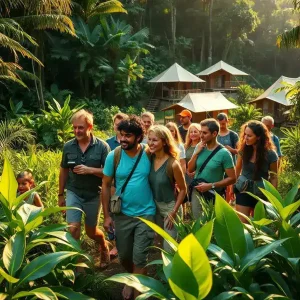
Similarly, in the rainforests of Costa Rica, the Cabécar indigenous people offer treks that are as much about inner transformation as they are about physical challenge. As travelers navigate dense jungles and swollen rivers, they are taught to read the land—to identify medicinal plants, to track animals by their calls, and to move with the quiet reverence of those who understand that they are not separate from nature but a part of it. These are not just hikes; they are rites of passage, where every step is an opportunity to shed the layers of modern disconnection and rediscover a more primal, more authentic self.
The Ripple Effect of Regenerative Bonds
The true power of community-led tourism and adventure-based learning lies in their ability to create regenerative bonds—connections that do not deplete but replenish, that do not exploit but empower. When travelers engage with a community on its own terms, something extraordinary happens: the line between guest and host begins to blur. You are no longer an outsider looking in; you become a temporary member of the village, a participant in its daily rhythms, a steward of its future.
In Zanzibar, the Mwani Zanzibar project invites visitors to learn the art of seaweed farming from local women. What begins as a hands-on workshop—wading into the warm Indian Ocean to harvest seaweed—evolves into a conversation about climate change, gender equality, and the challenges of preserving traditional livelihoods in a rapidly changing world. The seaweed, once dried and processed, becomes soap or skincare products, sold to support the women’s cooperative. But the real product is the bond formed between the women and their guests, a bond that often extends beyond the visit through letters, social media, and even return trips. These are not transactions; they are relationships, built on mutual respect and a shared commitment to a more just and sustainable world.
Beyond the Postcard: The Future of Travel
The travel industry is at a crossroads. On one path lies the well-trodden route of mass tourism—crowded attractions, homogenized experiences, and a growing sense of disconnection from the places we visit. On the other lies a road less traveled, one that winds through the unseen villages of the world, where travel is not about escape but about engagement, not about consumption but about contribution. Community-led tourism and adventure-based learning are not just trends; they are a fundamental reimagining of what travel can and should be.
This is not to say that every journey must be a grand act of service or a life-altering adventure. But it is an invitation to approach travel with a different mindset—one that values depth over breadth, presence over productivity, and connection over convenience. It is about seeking out the stories that are not written in guidebooks, the lessons that are not taught in classrooms, and the bonds that are not forged in a day but nurtured over a lifetime.
As the world grows smaller and more interconnected, the allure of the unseen village only grows stronger. These are the places where the soul of travel is still alive, where every encounter is an opportunity to learn, to grow, and to give back. They remind us that the most transformative journeys are not those that take us far from home, but those that bring us closer to the heart of what it means to be human. And in a world that often feels fractured and fast-paced, that is a gift beyond measure—a regenerative bond that begins with a single step off the beaten path and lasts a lifetime.