The Invisible Compass: How Tailored Travel Itineraries and Off-the-Beaten-Path Journeys Are Crafting the Soul of Modern Exploration
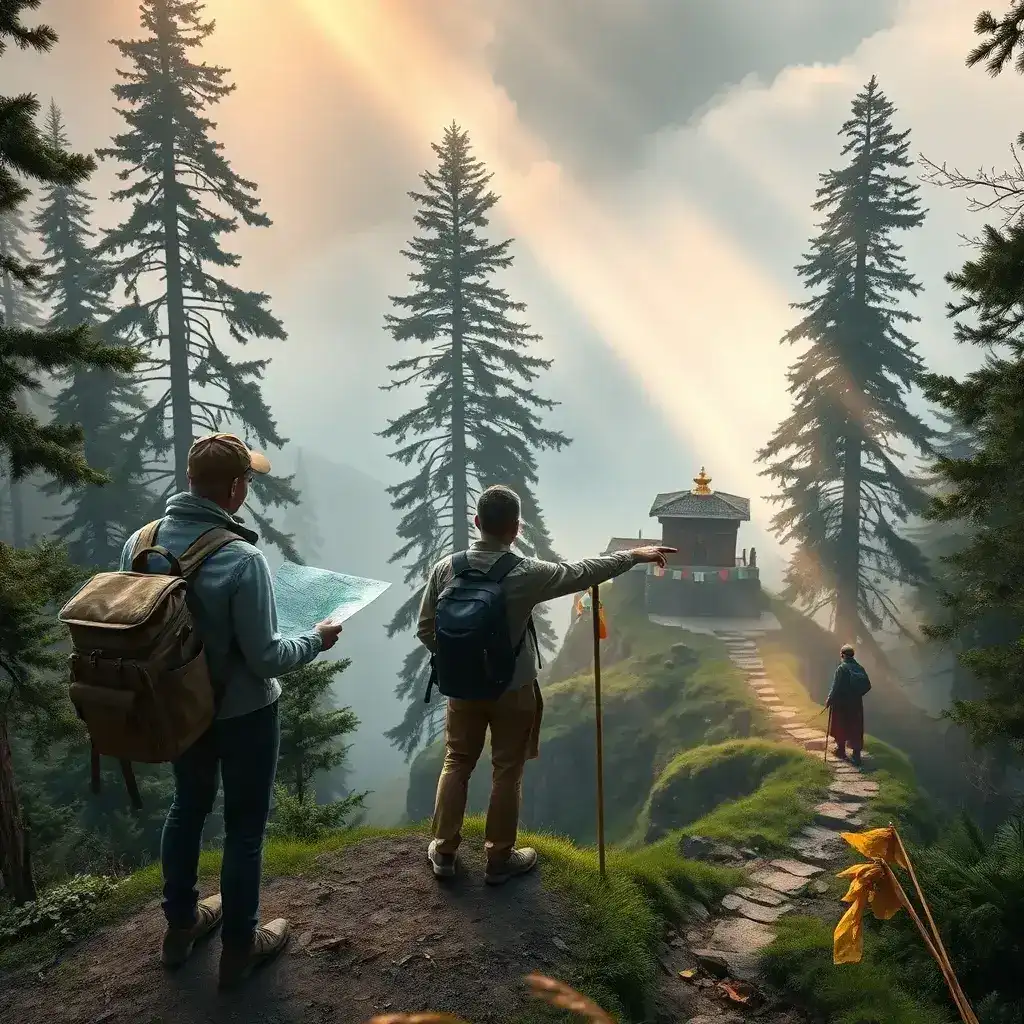
There’s a quiet revolution unfolding in the way we travel—one that doesn’t rely on glossy brochures or crowded tourist hotspots. It’s a movement that whispers of hidden trails, of stories etched into the landscape long before guidebooks ever existed. This is the art of tailored travel itineraries and off-the-beaten-path journeys, where every step is a conversation with the land, every encounter a brushstroke in a larger, more intimate portrait of the world. It’s not about ticking off landmarks; it’s about letting the rhythm of a place seep into your bones, about discovering the soul of a destination through the eyes of those who call it home.
The Alchemy of Personalization
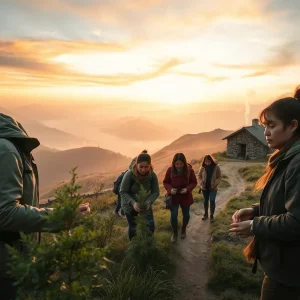
Imagine standing at the edge of a mist-laden forest in Bhutan, the air thick with the scent of pine and damp earth, as a local guide—someone who has spent their life navigating these trails—leads you not to the most photographed monastery, but to a hidden hermitage where monks have meditated in silence for centuries. This is the power of a tailored travel itinerary: it bends to your curiosity, your pace, your hunger for something real. No two journeys are alike because no two travelers are alike. One might crave the adrenaline of scaling a remote peak, while another seeks the quiet joy of sharing a meal with a family in a village untouched by mass tourism. The magic lies in the details—the handwritten notes from your guide suggesting a detour to a market where artisans weave textiles using techniques passed down through generations, or the unexpected invitation to a local festival where the air hums with music and laughter.
This kind of travel doesn’t just show you a place; it immerses you in it. It’s the difference between watching a documentary about a culture and stepping into the frame yourself, becoming part of the narrative. And it’s not just about luxury or exclusivity—it’s about intention. When every element of your journey is thoughtfully curated, from the accommodations that reflect the local architecture to the experiences that connect you with the heartbeat of the community, travel becomes something deeper: a form of regenerative exploration, where both the traveler and the destination are transformed.
The Call of the Unmapped
There’s a thrill in venturing where few have gone before, where the path isn’t marked by signs or crowded with selfie sticks. Off-the-beaten-path travel is about embracing the unknown, about trading the comfort of the familiar for the exhilaration of discovery. It’s in the quiet villages of Georgia’s Caucasus Mountains, where shepherds still lead their flocks along ancient routes, or the remote islands of Indonesia, where time seems to slow and the ocean stretches endlessly in every direction. These are the places where travel feels like an adventure again, where every day brings the possibility of stumbling upon something extraordinary—a hidden waterfall, a forgotten ruin, a story that hasn’t yet been told.
But this kind of travel isn’t just about escape; it’s about connection. When you step away from the well-trodden paths, you’re not just seeing a place—you’re engaging with it. You might find yourself learning the art of traditional bread-making from a grandmother in a Moroccan medina, or joining a group of fishermen as they cast their nets at dawn in a coastal village in Vietnam. These moments aren’t staged for tourists; they’re the real, unfiltered fabric of life. And in a world where so much feels curated for consumption, there’s something profoundly liberating about experiencing a place on its own terms, without the filter of expectations.
The Ripple Effect of Mindful Exploration
What happens when we travel this way—when we seek out the stories that aren’t in the guidebooks, when we let curiosity lead us rather than a checklist? We begin to see the world not as a series of destinations, but as a living, breathing tapestry of cultures, histories, and ecosystems. And in doing so, we become part of something larger than ourselves. Sustainable tourism practices aren’t just about reducing our carbon footprint or staying in eco-friendly lodges (though those things matter); they’re about traveling in a way that leaves a place better than we found it. That might mean supporting a local artisan by purchasing their handmade crafts, or choosing a homestay over a chain hotel to ensure your dollars stay within the community. It might mean volunteering with a wildlife conservation project in the Amazon or participating in a reforestation initiative in the Scottish Highlands.
But the most profound impact of this kind of travel is the way it changes us. When we allow ourselves to be vulnerable, to step outside our comfort zones and engage deeply with the world, we return home not just with souvenirs, but with a shift in perspective. We begin to see our own lives through a different lens, to question the narratives we’ve been told about what it means to live well, to connect, to belong. And in a world that often feels fractured and fast-paced, that kind of transformation is more valuable than any postcard-perfect view.
The Unwritten Stories Await
So where do you begin? Start by asking yourself what kind of traveler you want to be. Do you crave the thrill of adventure, the quiet reflection of a slow journey, or the deep connection of community-led tourism? Seek out those who specialize in crafting tailored itineraries—not just travel agents, but storytellers, explorers, and locals who understand that the best journeys are the ones that unfold like a well-worn map, with room for detours and surprises. Let go of the idea that travel has to be about seeing everything; instead, focus on feeling everything. The places that will stay with you aren’t the ones you’ve seen in a thousand photos, but the ones that have left their mark on your soul.
And remember, the most extraordinary experiences aren’t always the ones that make it into the headlines. They’re the quiet moments—the shared laughter over a meal in a stranger’s home, the hush of a forest at dawn, the way your breath catches when you round a bend and find yourself face-to-face with a landscape so beautiful it feels like a secret meant just for you. These are the moments that remind us why we travel in the first place: not to escape our lives, but to live them more fully, more deeply, more authentically. The world is vast, and its stories are waiting. All you have to do is step off the path and listen.