The Regenerative Awakening: How Bali’s Coastal Van Life and Mindful Trekking Are Crafting a New Era of Soulful Adventure

The first light of dawn spills over the horizon, painting the sky in hues of amber and rose as the gentle hum of the ocean blends with the distant call of tropical birds. Here, where the land meets the sea, a quiet revolution is unfolding—one that whispers of freedom, connection, and a deeper harmony with the earth. This is the world of coastal van life in Bali, a movement that transcends mere travel and instead invites us to reimagine how we move through the world. It’s not just about the destination; it’s about the journey itself, the slow unraveling of time, and the way the road becomes a teacher, guiding us back to ourselves.
The Road as a Sacred Path
There’s something inherently magical about waking up to the sound of waves crashing against the shore, the salty breeze weaving through the open windows of a van that has become a home on wheels. Bali’s coastal roads, winding along cliffs and through lush jungles, offer more than just a route from one place to another—they offer a pilgrimage. Each turn reveals a new vista, a hidden cove, or a secluded beach where the sand feels like silk beneath your feet. The van, far from being a mere vehicle, becomes a sanctuary, a mobile haven where the boundaries between traveler and landscape blur.
For those who embrace this way of life, the road is not a means to an end but a living, breathing entity. It demands presence, patience, and a willingness to surrender to the unknown. There are no rigid itineraries here, no checklists of must-see attractions. Instead, there is the rhythm of the tides, the pull of the moon, and the quiet intuition that guides you to the next stop. It’s a dance between structure and spontaneity, where the journey itself becomes the destination.
Mindful Trekking: Where Every Step is a Meditation
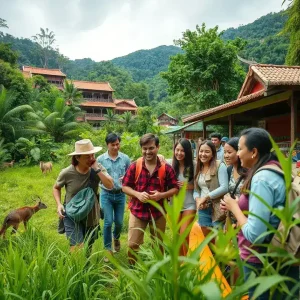
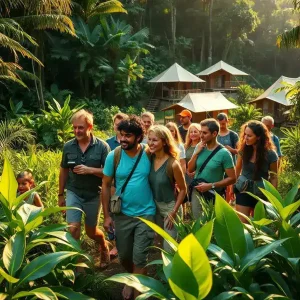
But the regenerative journey doesn’t end at the coast. Bali’s interior, a labyrinth of emerald valleys and mist-shrouded peaks, calls to those who seek a different kind of adventure—one that is measured not in miles, but in moments of profound connection. Mindful trekking, a practice that marries the physical challenge of hiking with the spiritual discipline of mindfulness, is redefining what it means to explore the wild. Here, the trail is not just a path through the jungle; it is a pathway to the soul.
Imagine setting out at dawn, the air cool and fragrant with the scent of damp earth and tropical blooms. Each step is deliberate, each breath a conscious act of communion with the world around you. The rustle of leaves, the distant chatter of monkeys, the way the sunlight filters through the canopy—all of it becomes part of a symphony that awakens the senses. There are no distractions, no screens, no noise. Just you, the trail, and the ancient pulse of the earth beneath your feet.
This is trekking as a form of meditation, where the goal is not to conquer the mountain but to merge with it. The challenges—the steep inclines, the slippery roots, the moments of fatigue—are not obstacles but opportunities to deepen your practice. They teach resilience, humility, and the art of surrender. And when you finally reach the summit, or the hidden waterfall, or the sacred temple nestled in the jungle, the reward is not just the view but the profound sense of having arrived—not just at a place, but at a deeper understanding of yourself.
The Alchemy of Slow Travel
What makes this way of traveling so transformative is its slowness. In a world that glorifies speed and efficiency, coastal van life and mindful trekking invite us to step off the hamster wheel and into a different rhythm—one that is dictated by the rising and setting of the sun, the changing of the tides, and the natural cadence of the land. This is the essence of regenerative travel: a way of moving through the world that not only minimizes harm but actively restores and renews.
When you travel slowly, you give yourself the gift of presence. You notice the way the light changes as the day unfolds, the way the locals greet each other with a smile and a nod, the way the food tastes richer when it’s prepared with care and shared with intention. You begin to see the world not as a series of snapshots but as a living, breathing tapestry of stories, traditions, and connections. And in doing so, you become part of that tapestry, weaving your own thread into the fabric of the places you visit.
The Ripple Effect of Regenerative Choices
The beauty of this approach to travel is that its impact extends far beyond the individual. When you choose to live in a van powered by solar energy, or to trek with a guide who is deeply connected to the land, or to stay in a homestay that supports local artisans, you are voting with your dollars for a more sustainable and equitable world. You are supporting businesses that prioritize people and the planet over profit, and you are helping to preserve the cultural and natural heritage of the places you visit.
But perhaps even more importantly, you are inspiring others to do the same. When people see you living with intention, traveling with purpose, and embracing a way of life that is in harmony with the earth, it plants a seed. It challenges the status quo and invites others to question their own habits and choices. In this way, regenerative travel becomes a movement—a collective awakening to the possibility of a more mindful, connected, and sustainable way of being in the world.
The Van as a Vessel of Transformation
For many, the van is more than just a mode of transportation; it is a vessel of transformation. It represents freedom, yes, but also responsibility—the responsibility to tread lightly, to leave no trace, and to honor the places and people you encounter along the way. It’s a commitment to living in alignment with your values, whether that means cooking meals with locally sourced ingredients, using biodegradable products, or simply taking the time to sit with a stranger and listen to their story.
The van also becomes a mirror, reflecting back the parts of yourself that you may have lost touch with in the hustle of modern life. The solitude of the road, the simplicity of life on the move, the way the stars seem brighter when you’re far from the city lights—all of it strips away the layers of distraction and reveals the essence of who you are. And in that space of clarity, you begin to remember what truly matters: connection, community, and the quiet joy of being alive.
As the sun dips below the horizon, casting long shadows across the sand, the van comes to rest in a secluded cove where the only sounds are the gentle lapping of waves and the distant call of a night bird. Inside, the glow of a solar-powered lantern fills the space with warmth, and the scent of a simple meal cooked over a camp stove fills the air. There are no plans for tomorrow, no agenda, no rush. Just the present moment, rich with possibility, and the quiet certainty that this—this slow, intentional way of moving through the world—is exactly where you’re meant to be. The road ahead is unknown, but that’s the beauty of it. Because in the end, the journey is not about where you’re going, but how you choose to travel.