The Sacred Dance of Fire and Water: How Volcanic Hikes and Coastal Van Life Are Redefining Regenerative Journeys
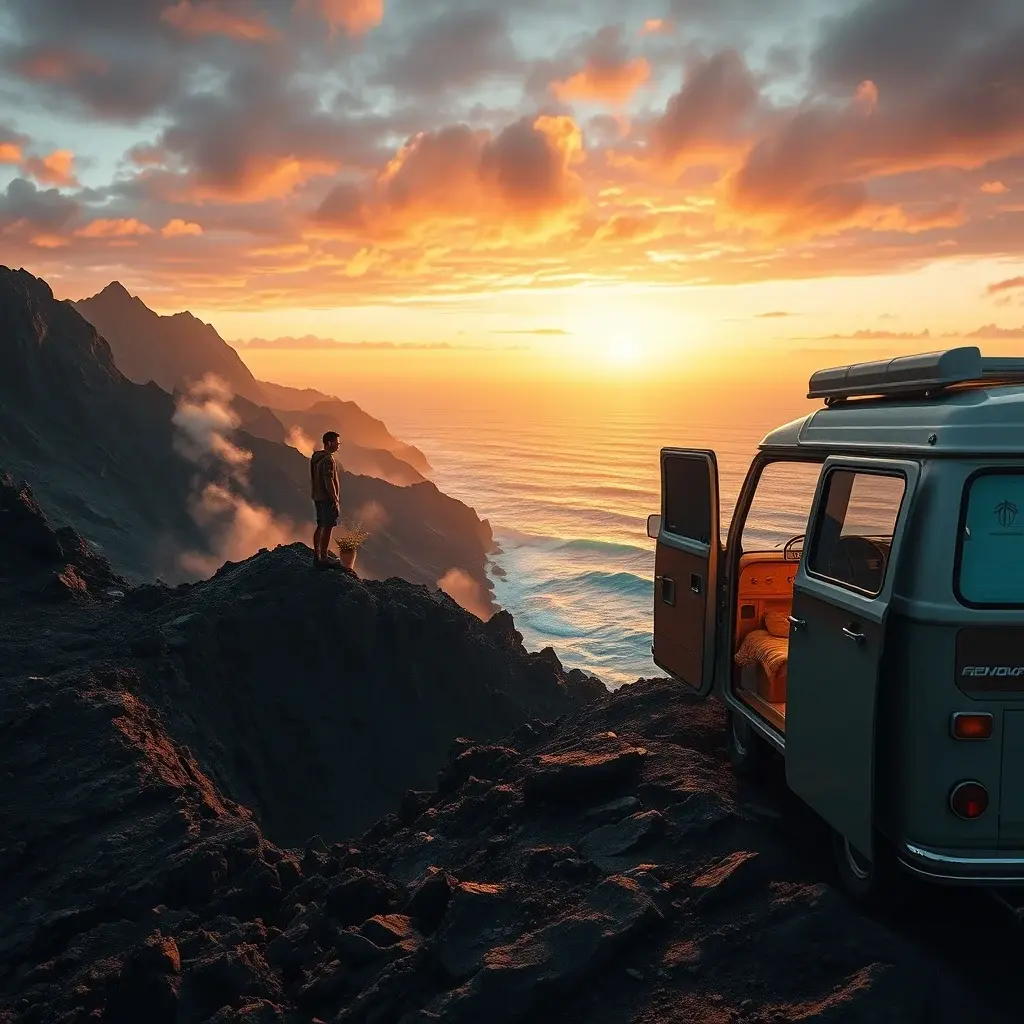
The earth breathes in rhythms older than time, its pulse echoing through the cracks of volcanic rock and the whispering tides of forgotten shores. There is a sacred alchemy in the meeting of fire and water, a dance that has shaped civilizations, inspired myths, and now, in this era of mindful travel, is redefining what it means to explore. This is not the travel of guidebooks or crowded tourist trails; this is the journey of the soul, where every step is a conversation with the planet, and every destination is a chapter in a story of regeneration.
The Call of the Volcanic Heart
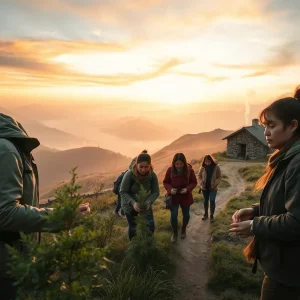
Imagine standing at the edge of a crater, the air thick with the scent of sulfur and the hum of the earth’s molten core. The ground beneath you is warm, alive, as if the volcano itself is breathing. This is not just a hike; it is a pilgrimage. Volcanic trails, like those of Bali’s Mount Batur or the fiery slopes of Java’s Mount Ijen, are more than just physical challenges—they are spiritual awakenings. The ascent is a metaphor for the journey inward, a climb that strips away the noise of modern life and leaves you raw, vulnerable, and utterly alive.
These trails are not just paths; they are thresholds. They lead you to places where the earth’s energy is palpable, where the line between the sacred and the profane blurs. The sunrise over a volcanic peak is not just a view; it is a revelation. It is the moment when the world feels both ancient and brand new, when the weight of history and the promise of the future collide in a single, breathtaking instant. And when you descend, you carry that energy with you, a quiet fire that fuels your steps long after you’ve left the mountain behind.
The Lure of Coastal Van Life: Freedom on the Edge of the World
But the dance of fire and water does not end at the mountain’s peak. It continues where the land meets the sea, in the rolling waves and salt-kissed winds of coastal van life. There is a freedom in living on the edge of the world, in waking up to the sound of waves crashing against the shore and falling asleep under a canopy of stars. This is not the van life of Instagram filters and curated aesthetics; this is the raw, unfiltered experience of living in harmony with the elements.
Coastal van life is a lesson in simplicity. It strips away the excess, leaving only what is essential: a bed, a stove, a view. It is a reminder that happiness is not found in the accumulation of things but in the accumulation of moments—moments of stillness as the sun dips below the horizon, moments of connection as you share stories with fellow travelers around a campfire, moments of solitude as you watch the moon rise over the ocean. This is travel as it was meant to be: slow, intentional, and deeply regenerative.
The van becomes more than just a vehicle; it is a vessel for transformation. It carries you not just from one place to another but from one version of yourself to another. It is a mobile sanctuary, a place where you can disconnect from the chaos of the world and reconnect with the rhythms of nature. And when you park it by the sea, with the sound of waves lulling you to sleep, you realize that home is not a place but a feeling—a feeling of being exactly where you are meant to be.
The Regenerative Power of Fire and Water
What makes these journeys so powerful is their regenerative potential. Volcanic hikes and coastal van life are not just about escape; they are about return. They are about coming back to yourself, to the earth, to a way of being that is in tune with the natural world. The fire of the volcano reminds you of your own inner strength, your resilience, your capacity to rise from the ashes. The water of the ocean reminds you of your fluidity, your ability to adapt, to flow with the currents of life rather than resist them.
This is the essence of regenerative travel: it is not just about taking from the earth but giving back. It is about leaving a place better than you found it, whether that means picking up trash along the trail, supporting local communities, or simply approaching the land with reverence and respect. It is about recognizing that travel is not a right but a privilege, one that comes with the responsibility to protect and preserve the places we love.
Where the Elements Meet: Crafting Your Own Sacred Journey
So how do you begin your own dance with fire and water? It starts with intention. Choose destinations that speak to your soul, not just your wanderlust. Seek out places where the earth’s energy is palpable, where the elements are not just scenery but active participants in your journey. Whether it’s the volcanic trails of Bali, the coastal roads of Portugal, or the hidden coves of Mexico, let the land guide you.
Embrace the slow. Regenerative travel is not about ticking off bucket lists or racing from one attraction to the next. It is about immersing yourself in the moment, about savoring the journey as much as the destination. Stay awhile. Let the rhythm of the place seep into your bones. Whether you’re camping in a van by the sea or trekking through volcanic landscapes, give yourself the gift of time.
And finally, travel with purpose. Regenerative journeys are not just about what you can get from a place but what you can give. Support local businesses, engage with communities, leave the land better than you found it. Travel with an open heart and a willingness to learn, to be changed by the places you visit and the people you meet.
The dance of fire and water is a reminder that travel is not just about seeing the world but feeling it. It is about letting the earth’s energy move through you, about finding your place in the grand, unfolding story of the planet. And when you return from such a journey, you are not the same person who left. You are wiser, stronger, more connected—not just to the world around you but to the world within. The fire and water have done their work, and you are forever changed, a traveler not just of places but of the soul.