The Symphony of Sand and Soul: How Coastal Van Life and Mindful Trekking Are Composing a New Era of Regenerative Adventure

The salt-kissed breeze carries whispers of a revolution, one where the rhythm of the ocean meets the pulse of the earth in a dance as old as time. This is not just travel—it is a pilgrimage to the edges of consciousness, where every grain of sand and every rustling leaf becomes a note in an unfolding symphony of sustainable exploration. The road less traveled is no longer a metaphor; it is a lifeline, a path carved by those who seek to wander not just with their feet, but with their hearts wide open.
The Van Life Renaissance: Where Freedom Meets Responsibility
Imagine waking to the sound of waves crashing against the shore, the golden light of dawn spilling through the windows of your home on wheels. Coastal van life is more than a trend—it is a manifesto for those who refuse to be tethered to the mundane. These rolling sanctuaries, often outfitted with solar panels and composting toilets, are not just vehicles; they are declarations of independence from the carbon-heavy chains of traditional tourism. The open road becomes a canvas, and every mile painted with intention.
In places like Bali’s lesser-known coastal villages, van lifers are redefining what it means to be a traveler. No longer mere spectators, they become temporary stewards of the land, forging connections with local communities through regenerative practices. From beach clean-ups to supporting eco-conscious surf camps, these modern nomads are proving that adventure and responsibility can coexist. The van is not just a mode of transport; it is a vessel for change, a mobile hub where freedom and sustainability intertwine.
The Trail Less Traveled: Mindful Trekking as a Path to Presence
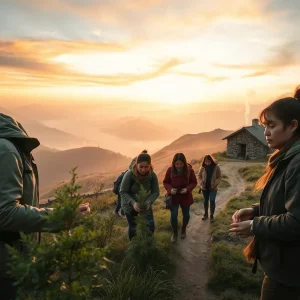
There is a quiet magic in placing one foot in front of the other, in feeling the earth beneath your soles as you ascend a volcanic peak or descend into a hidden valley. Mindful trekking is not about conquering landscapes; it is about surrendering to them. It is the art of moving with purpose, of breathing in the scent of damp earth and exhaling the noise of the modern world. These trails are not just routes—they are rituals, invitations to slow down and listen to the stories the land has to tell.
In Bali, the volcanic trails of Mount Batur and the emerald jungles of Ubud offer more than just physical challenges; they offer a spiritual awakening. Trekkers are encouraged to leave no trace, to tread lightly, and to engage with the environment in a way that honors its fragility. Guides, often locals with generations of wisdom, share not just the secrets of the terrain but the cultural significance of the land. Every step becomes a meditation, every summit a revelation. This is trekking reimagined—not as a conquest, but as a conversation.
The Alchemy of Adventure and Stillness
What happens when the adrenaline of adventure meets the quietude of stillness? A transformation. The most profound journeys are those that balance the thrill of exploration with the depth of introspection. Picture this: after a day of trekking through Bali’s lush landscapes, you find yourself in a boutique wellness resort nestled in the heart of the jungle. The air is thick with the scent of frangipani, and the sound of a nearby waterfall lulls you into a state of deep relaxation. Here, wellness is not a luxury—it is a necessity, a way to restore not just the body, but the soul.
These resorts are pioneers of regenerative tourism, where every detail is designed to harmonize with the environment. From organic, locally sourced meals to yoga sessions that draw from ancient Balinese traditions, they offer a sanctuary for those seeking to reconnect with themselves and the world around them. The line between adventure and retreat blurs, creating a seamless experience where every moment is an opportunity to heal, to grow, and to give back.
Weaving the Threads of Community and Culture
At the heart of regenerative travel lies a simple truth: the most meaningful journeys are those that leave a positive impact on the places and people we encounter. Heritage homestays, for instance, are more than just accommodations—they are gateways to cultural immersion. Staying with a local family in a traditional Balinese compound, you are not just a guest; you become part of the fabric of daily life. You learn the art of offering at the family shrine, the intricacies of Balinese dance, and the stories passed down through generations.
These experiences foster a deep sense of connection, not just to the land, but to the people who call it home. They remind us that travel is not about taking—it is about giving, about exchanging stories, skills, and smiles. When we choose to support local communities, we are not just preserving culture; we are ensuring that the places we love remain vibrant and alive for generations to come.
The Future of Travel: A Tapestry of Intention
The road ahead is not just about where we go, but how we get there. It is about choosing paths that nourish the earth rather than deplete it, about seeking experiences that enrich our souls rather than our social media feeds. The future of travel is a tapestry woven with threads of intention, where every journey is an opportunity to heal, to learn, and to grow. It is a future where the symphony of sand and soul plays on, not as a fleeting melody, but as a timeless anthem for a world in harmony.
As the sun sets over the horizon, casting a warm glow over the waves, it is clear that the true essence of travel lies not in the destinations we reach, but in the moments we collect along the way. Moments of connection, of stillness, of awe. Moments that remind us that we are not just travelers—we are stewards of this beautiful, fragile planet. And it is in our hands to ensure that the symphony continues, for generations to come.