Sunrise Spots at Kingkong Hill: The Best Alternative to Penanjakan Viewpoint

For those who have witnessed the sunrise at Mount Bromo, the name Penanjakan Viewpoint likely rings a bell. It’s the most famous vantage point, drawing crowds of tourists eager to capture the iconic golden hues spilling over the volcanic landscape. But what if we told you there’s a quieter, equally breathtaking alternative just a stone’s throw away? Kingkong Hill, a lesser-known but equally mesmerizing spot, offers the same magical sunrise views without the overwhelming crowds. If you’re seeking a more intimate and serene experience, this hidden gem is your answer.
Why Choose Kingkong Hill Over Penanjakan?
Penanjakan Viewpoint is undeniably spectacular, but its popularity comes with a price: overcrowding. During peak seasons, the viewpoint can feel more like a bustling market than a tranquil nature escape. Photographers often struggle to find a clear shot without dozens of heads photobombing their frames, and the noise of chatter can drown out the peaceful ambiance of the moment. Kingkong Hill, on the other hand, offers a nearly identical view with a fraction of the crowd. The hill is slightly lower than Penanjakan, but the difference in elevation is negligible when it comes to the panoramic vistas of Mount Bromo, Mount Batok, and the vast Sea of Sand. The real advantage? Space, silence, and the freedom to soak in the moment without elbowing your way to the front.
How to Get to Kingkong Hill
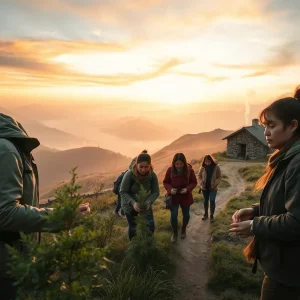
Reaching Kingkong Hill requires a bit of effort, but the journey is part of the adventure. Most visitors start their trek from Cemoro Lawang, the gateway village to Mount Bromo. From here, you have two main options: hiking or hiring a jeep. If you’re up for a pre-dawn hike, the trail to Kingkong Hill takes about 30-45 minutes on foot. The path is well-trodden but can be steep and rocky in places, so sturdy shoes are a must. For those who prefer a more relaxed approach, local jeep drivers offer rides to the hill for a small fee. The jeep ride takes around 20 minutes and drops you near the base of the hill, from where it’s a short climb to the viewpoint.
Alternatively, if you’re already at Penanjakan Viewpoint, Kingkong Hill is just a 10-minute walk away. The two viewpoints are connected by a narrow trail, making it easy to visit both in one trip. However, if you’re aiming for a crowd-free experience, it’s best to head straight to Kingkong Hill before the masses arrive at Penanjakan.
The Best Time to Arrive
Timing is everything when it comes to sunrise at Mount Bromo. The sun typically begins to rise between 5:00 AM and 5:30 AM, depending on the season. To secure the best spot at Kingkong Hill, aim to arrive by 4:00 AM. This gives you plenty of time to set up your camera, find a comfortable position, and settle in before the first light appears on the horizon. Arriving early also means you’ll avoid the rush of latecomers scrambling for space as the sky begins to brighten.
If you’re hiking from Cemoro Lawang, start your journey no later than 3:15 AM to account for the time it takes to reach the hill. The trail is dark, so a headlamp or flashlight is essential. The jeep drivers in Cemoro Lawang are accustomed to early starts and will be ready to take you up as early as 3:00 AM. Whichever method you choose, the key is to arrive before the crowds do.
Photography Tips for Capturing the Perfect Sunrise
Kingkong Hill is a photographer’s dream, offering unobstructed views of Mount Bromo’s dramatic landscape. To make the most of your sunrise shoot, here are a few tips to elevate your photos:
Gear Up
A sturdy tripod is non-negotiable for sunrise photography. The low light conditions require longer exposure times, and a tripod ensures your shots remain sharp. If you’re shooting with a DSLR or mirrorless camera, bring a wide-angle lens to capture the expansive scenery. A telephoto lens can also be useful for isolating details like the steam rising from Mount Bromo’s crater or the silhouette of distant hikers against the horizon.
Master Your Settings
Start with a low ISO (100-400) to minimize noise in your images. Use a small aperture (f/8 to f/16) to keep the entire scene in focus, and adjust your shutter speed based on the available light. As the sun rises, you’ll need to increase your shutter speed to avoid overexposing the sky. Shoot in RAW format to retain maximum detail for post-processing, especially if you plan to adjust the exposure or white balance later.
Composition Matters
Look for leading lines to draw the viewer’s eye into the frame. The winding trails of the Sea of Sand or the jagged edges of Mount Batok can serve as natural guides. Experiment with different angles—get low to the ground for a unique perspective or frame the scene with nearby rocks or vegetation. Don’t forget to include the human element if you’re traveling with companions. A lone figure silhouetted against the rising sun can add a sense of scale and emotion to your photos.
Embrace the Golden Hour
The moments just after sunrise, known as the golden hour, are when the light is softest and most flattering. The warm tones cast a magical glow over the landscape, enhancing the textures of the volcanic terrain. Stick around for at least 20-30 minutes after sunrise to capture this ethereal light. The colors in the sky can shift rapidly, so keep your camera ready to snap away as the scene evolves.
What to Expect During the Sunrise Experience
Arriving at Kingkong Hill in the pre-dawn darkness, you’ll first notice the cool mountain air and the faint glow of headlamps from fellow early risers. As your eyes adjust, the silhouette of Mount Bromo emerges from the darkness, its crater faintly visible against the starlit sky. The atmosphere is hushed, with only the occasional murmur of conversation or the click of a camera shutter breaking the silence. As the first hints of light appear on the horizon, the landscape begins to reveal itself. The Sea of Sand stretches out like a vast, undulating ocean, its ripples catching the soft light. Mount Batok stands sentinel to the right, its steep slopes casting long shadows across the terrain.
When the sun finally breaches the horizon, the sky erupts in a symphony of colors—pinks, oranges, purples, and golds paint the heavens, reflecting off the volcanic peaks and the Sea of Sand below. The light changes rapidly, shifting from cool blues to warm ambers in a matter of minutes. It’s a fleeting moment, one that demands your full attention. As the sun climbs higher, the colors soften, and the landscape takes on a more muted palette. The crowds at Penanjakan may begin to disperse, but at Kingkong Hill, you’ll have the space to linger, to breathe in the crisp mountain air, and to reflect on the beauty of the natural world.
The allure of Mount Bromo’s sunrise is undeniable, but the experience is so much richer when you step off the beaten path. Kingkong Hill offers not just a view, but a moment of connection—with nature, with yourself, and with the quiet magic of dawn. Whether you’re a seasoned photographer or a traveler seeking solitude, this hidden vantage point delivers an experience that lingers long after the sun has risen.