Sacred Spaces and Slow Travel: Rediscovering the Soul of Regenerative Tourism in Bali’s Hidden Sanctuaries
The air hums with the quiet rhythm of life in Bali—palm fronds whispering secrets to the wind, the distant echo of temple bells mingling with the laughter of children playing in rice terraces. Here, time doesn’t just pass; it breathes. And for those who seek more than a fleeting escape, the island reveals itself not as a destination, but as a living, breathing entity—a sanctuary where travel becomes a sacred act of reconnection. This is the heart of regenerative tourism: a journey that doesn’t just take from the land, but gives back, leaving places richer, communities stronger, and souls more attuned to the delicate balance of existence.
The Alchemy of Regenerative Travel
Regenerative tourism is more than a buzzword; it’s a philosophy that transforms the traveler into a steward of the earth. Unlike sustainable tourism, which aims to minimize harm, regenerative travel actively seeks to restore and revitalize. Imagine wandering through a jungle yoga retreat where the bamboo structures were built by local artisans using traditional techniques, or staying in a boutique wellness resort powered entirely by solar energy and rainwater harvesting. These are not just places to visit—they are ecosystems of renewal, where every detail is designed to heal both the land and the people who walk upon it.
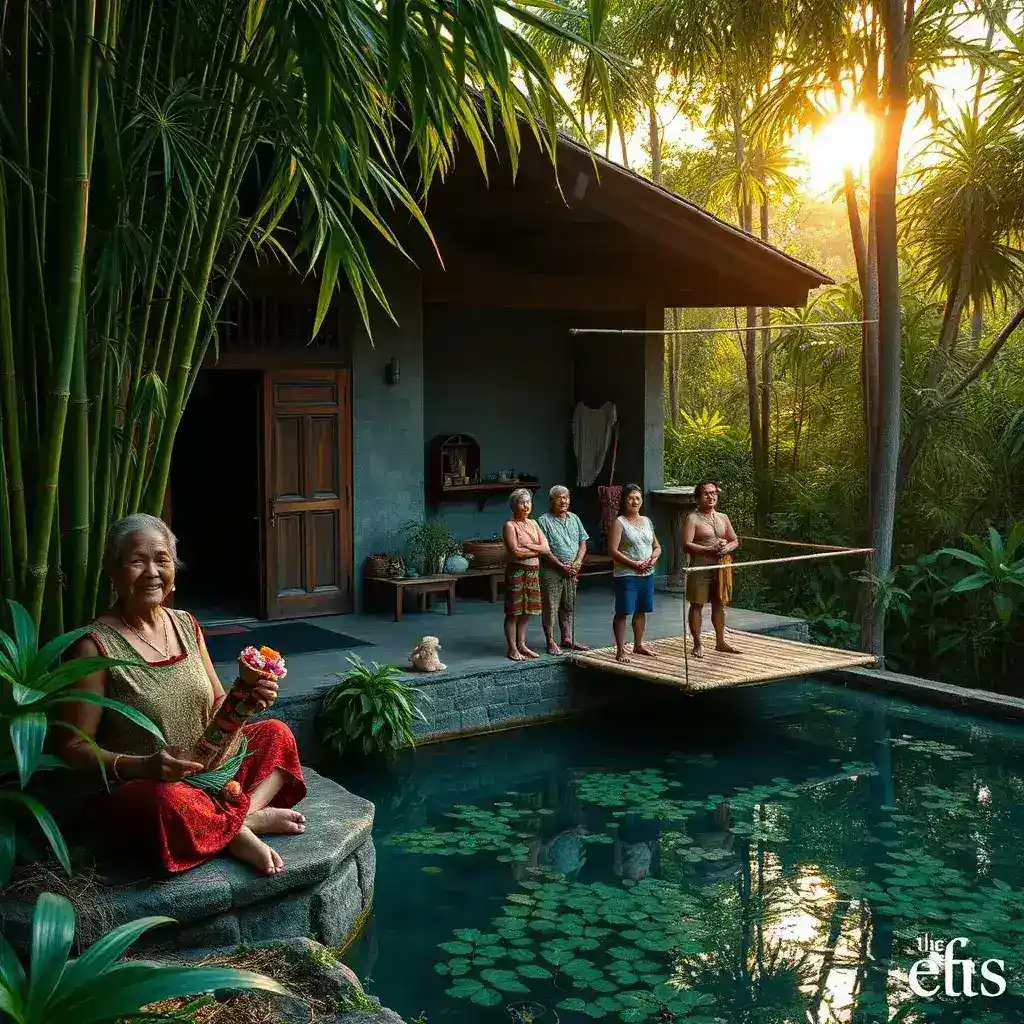
In Bali, this ethos is woven into the very fabric of the island. Take, for instance, the heritage homestays nestled in the highlands of Ubud, where families open their ancestral homes to travelers. Here, you’re not a guest; you’re a participant in a way of life that has thrived for centuries. You’ll learn the art of traditional canang sari offerings, wake before dawn to the sound of gamelan music, and share meals prepared with ingredients grown in the family’s own gardens. The experience is immersive, intimate, and deeply transformative—proof that travel can be a force for good when it’s rooted in respect and reciprocity.
Where Luxury Meets Legacy: Bali’s Eco-Conscious Havens
For those who crave comfort without compromising their values, Bali’s luxury villas and wellness resorts offer a masterclass in mindful indulgence. Picture this: a private villa perched on the cliffs of Uluwatu, its infinity pool merging seamlessly with the turquoise horizon. But this is no ordinary retreat. The villa is built with reclaimed teak and volcanic stone, its design a harmonious blend of modern elegance and Balinese craftsmanship. The staff are not just employees; they are local villagers whose families have lived in the area for generations, and whose children attend schools funded by the resort’s regenerative initiatives.
Or consider the jungle yoga retreats hidden in the emerald embrace of Sidemen, where morning practice begins with the sunrise and ends with a dip in a natural spring-fed pool. These sanctuaries are designed to nourish the body, mind, and spirit, but they also nourish the land. Native plants are reintroduced to restore biodiversity, waste is composted and repurposed, and guests are invited to participate in permaculture workshops or coral reef restoration projects. Here, luxury is redefined—not as excess, but as an experience that enriches both the traveler and the destination.
The Digital Nomad’s Regenerative Playground
Bali has long been a magnet for digital nomads, drawn by its affordable cost of living, vibrant community, and breathtaking landscapes. But in recent years, a new wave of nomads has emerged—those who seek not just a tropical workation, but a way to integrate purpose into their paradise. Enter the rise of regenerative digital nomad hubs, where productivity and planet-friendly living go hand in hand.
In Canggu, co-working spaces like Dojo Bali and The Onion Collective are leading the charge, offering not just high-speed internet and ergonomic chairs, but also workshops on sustainable living, beach clean-ups, and partnerships with local NGOs. Nomads can spend their mornings coding or designing, then their afternoons volunteering at organic farms or teaching English to local children. Even the accommodations are part of the movement—eco-friendly coliving spaces with solar panels, water filtration systems, and communal gardens where residents grow their own herbs and vegetables.
And then there’s the allure of off-grid glamping in places like Munduk or Amed, where nomads can trade the hum of laptops for the symphony of nature. Imagine working from a transparent geodesic dome nestled in the jungle, your only distractions the occasional monkey swinging through the trees or the mist rolling over the mountains. These spaces are designed for those who want to disconnect from the digital noise without sacrificing connectivity—offering a rare blend of solitude, inspiration, and environmental consciousness.
Adventure with Intention: Trekking, Surfing, and Sacred Exploration
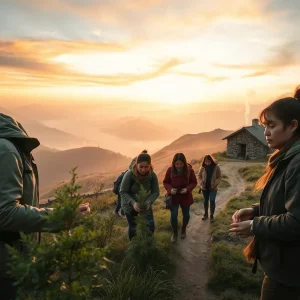
For the intrepid traveler, Bali’s landscapes are a playground of possibility—volcanic peaks to conquer, hidden waterfalls to discover, and waves to ride. But even adventure can be approached with mindfulness. Take, for example, the Mount Batur sunrise trek, a rite of passage for many visitors. Regenerative tour operators like Bali Eco Trekking ensure that the experience is as kind to the mountain as it is exhilarating for the hiker. Guides are trained in low-impact trekking practices, waste is carried out (not left behind), and a portion of the proceeds goes toward reforestation efforts in the area.
Or consider the surf camps of Uluwatu, where the focus is shifting from hedonistic party vibes to holistic, eco-conscious experiences. Camps like Rapture Surf offer not just lessons and accommodations, but also beach clean-ups, coral restoration dives, and surfboard recycling programs. Surfers learn to ride the waves with respect for the ocean, understanding that their passion is intertwined with the health of the marine ecosystem.
And then there are the hidden waterfall tours that take you deep into Bali’s lush interior, where cascading waters plunge into emerald pools untouched by mass tourism. Operators like Bali Hidden Waterfall Tours work closely with local villages to ensure that tourism benefits the community directly. Visitors are encouraged to support small warungs (eateries) and buy handmade crafts from local artisans, turning a simple day trip into a meaningful exchange.
The Future of Travel: Building a Legacy, One Journey at a Time
Regenerative tourism is not a trend; it’s a return to the essence of travel—a reminder that the most profound journeys are those that leave a positive imprint on the world. In Bali, this philosophy is not just practiced; it’s lived. It’s in the smile of the farmer who tends the rice fields, the pride of the artisan who carves sacred masks, and the joy of the child who learns to surf on a board made from recycled materials. It’s in the way the land itself seems to sigh with relief when travelers approach with reverence rather than entitlement.
As you plan your next adventure, ask yourself: What kind of legacy do you want to leave behind? Will your journey be a fleeting moment of pleasure, or a chapter in a story of renewal? In Bali’s hidden sanctuaries, the choice is yours—and the possibilities are as vast as the ocean, as deep as the jungle, and as enduring as the volcanic earth beneath your feet. Here, every step is an opportunity to heal, to connect, and to rediscover the sacred art of travel.