Embracing the Slow Travel Movement: A Journey of Cultural Immersion and Sustainable Tourism
In an era dominated by rapid travel and digital connectivity, the Slow Travel Movement has emerged as a refreshing counterpoint. This movement advocates for a more deliberate, mindful, and immersive approach to travel, emphasizing the importance of cultural understanding, sustainable practices, and authentic local interactions. At its core, Slow Travel is about breaking away from the conventional notion of tourism as a mere collection of sightseeing and instead embracing it as a transformative experience that leaves a positive impact on both the traveler and the destination.
Immersive Cultural Experiences
One of the hallmarks of Slow Travel is the emphasis on immersive cultural experiences. Unlike traditional tourism, which often focuses on popular landmarks and attractions, Slow Travel encourages travelers to delve deeper into the local culture. This could involve participating in a culinary heritage tour, where travelers learn to cook traditional dishes under the guidance of local chefs, or joining an interactive historical tour that brings the past to life through storytelling and reenactments.
Culinary Heritage Tours
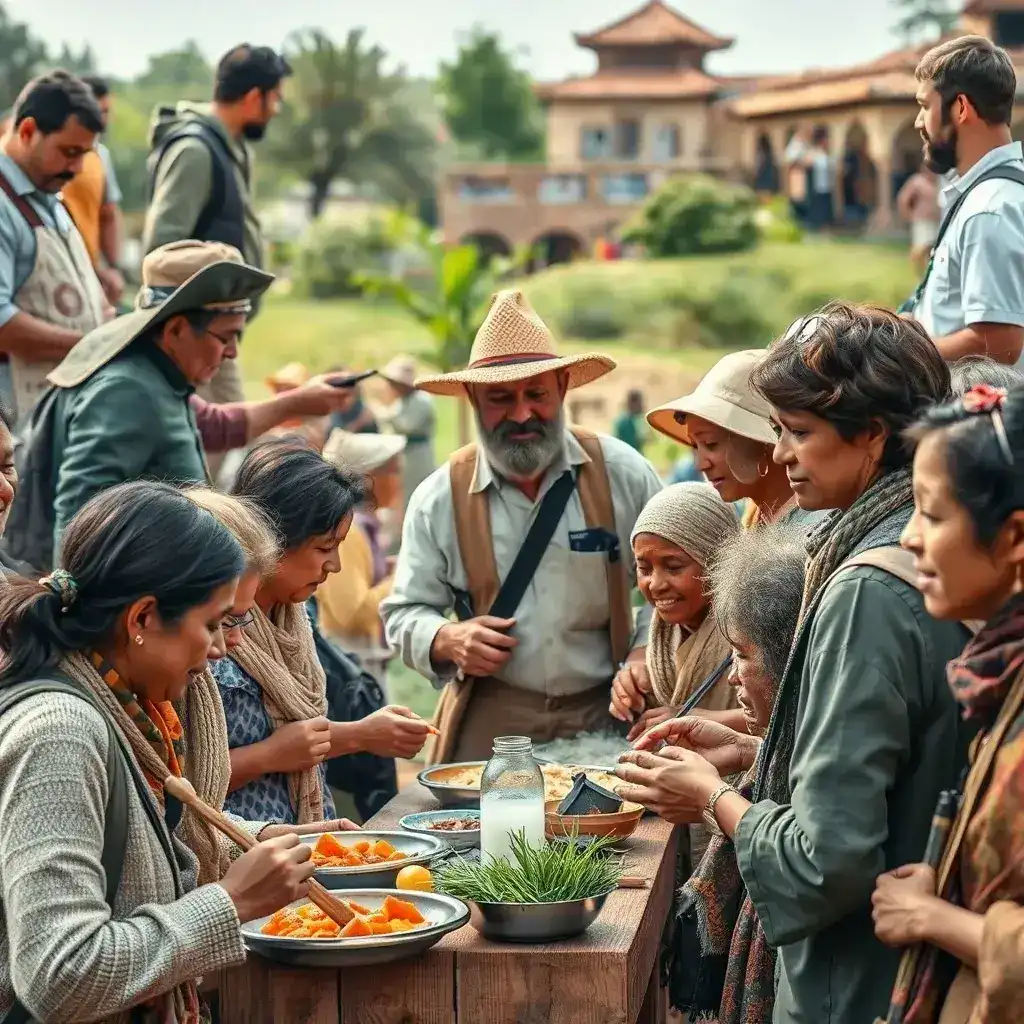
Culinary heritage tours are a fantastic example of immersive cultural experiences. These tours take travelers beyond the typical restaurant visits, offering a deeper understanding of the local food culture. Participants might learn about the history and significance of certain ingredients, the techniques used in traditional cooking, and even the cultural stories behind various dishes. This not only enhances the travel experience but also fosters a greater appreciation for the local culture.
Interactive Historical Tours
Interactive historical tours provide another avenue for cultural immersion. These tours go beyond the typical museum visits, offering a more engaging and participatory experience. Travelers might reenact historical events, participate in workshops, or even live in a historical setting for a day. This not only helps in understanding the past but also allows travelers to connect with the local community on a deeper level.
Sustainable Tourism Practices
Sustainable tourism is a cornerstone of the Slow Travel Movement. It advocates for travel that is not only enjoyable but also responsible. This involves respecting the local environment, supporting local businesses, and minimizing the impact on the community. Sustainable tourism practices can range from choosing eco-friendly accommodations to participating in community-led tourism initiatives.
Experiential Eco Tourism
Experiential eco tourism is a prime example of sustainable tourism practices. This form of tourism focuses on providing travelers with a unique and meaningful experience that also benefits the local environment. It could involve wildlife conservation tourism, where travelers participate in activities that help protect and preserve local wildlife, or wellness-oriented travel, which focuses on the physical, mental, and spiritual well-being of the traveler.
Community Led Tourism
Community-led tourism is another key aspect of sustainable tourism. This involves local communities taking the lead in developing and managing tourism activities. It could involve setting up heritage interpretation tours, which provide a deeper understanding of the local history and culture, or adventure skill workshops, which help travelers develop new skills and connect with the local community.
The Slow Travel Movement is not just about slowing down the pace of travel; it’s about transforming the very essence of tourism. It’s about embracing a more mindful, immersive, and sustainable approach to travel. It’s about creating experiences that are not only enjoyable but also leave a positive impact on both the traveler and the destination. In the end, Slow Travel is about more than just visiting a place; it’s about experiencing it, understanding it, and respecting it.