Capturing the Magic: A Photographer’s Guide to the Kasada Bromo Ceremony
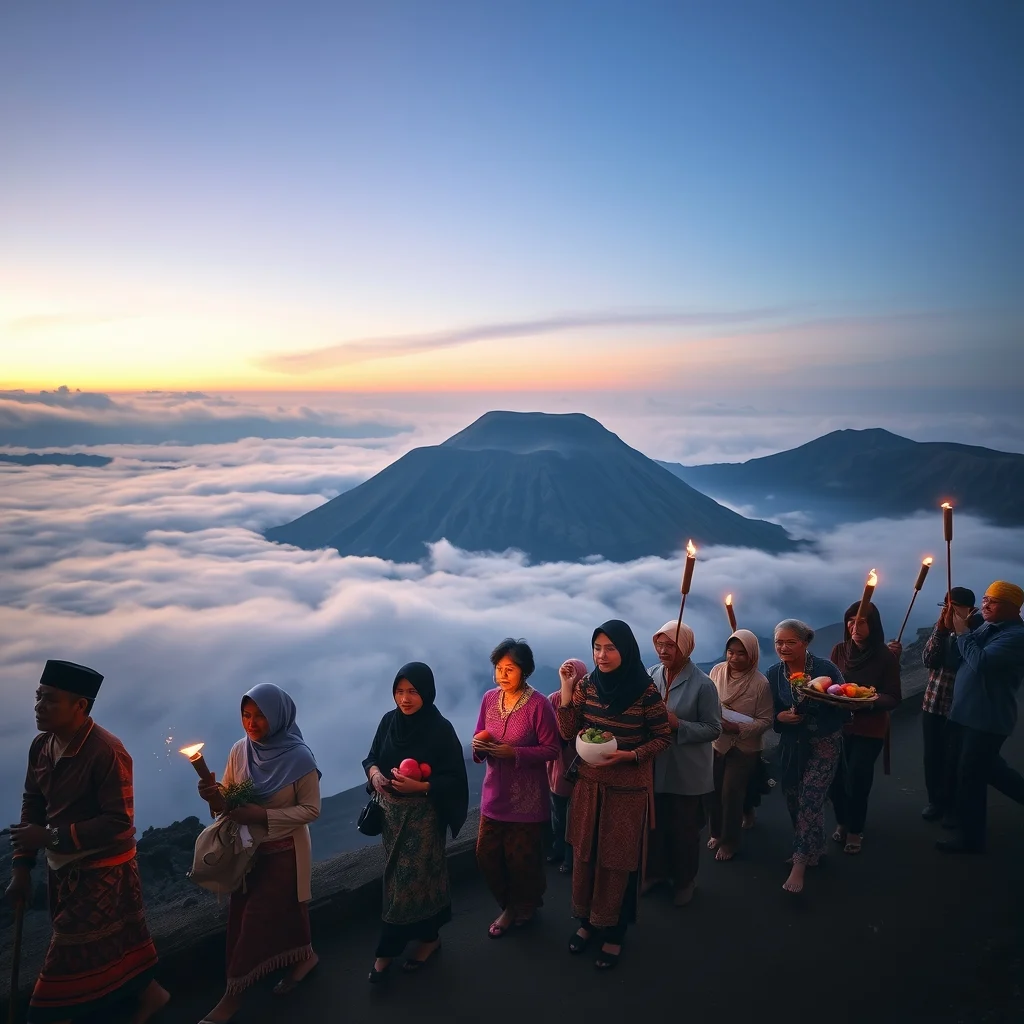
The Kasada Ceremony at Mount Bromo is one of Indonesia’s most mesmerizing cultural spectacles, a vibrant fusion of devotion, tradition, and natural beauty. For photographers, it offers a rare opportunity to capture the raw emotion and spiritual energy of the Tenggerese people as they honor their ancestors and the gods of the mountain. Whether you’re a seasoned professional or an enthusiastic amateur, this guide will help you navigate the event with respect, creativity, and technical precision to bring home images that tell a powerful story.
The Heart of Kasada: Understanding the Ceremony
The Kasada Ceremony is a Hindu festival celebrated annually by the Tenggerese community, who inhabit the highlands surrounding Mount Bromo in East Java. Held on the 14th day of the Kasada month in the traditional Tenggerese calendar (usually falling in July or August), the ceremony is a sacred offering to Sang Hyang Widhi, the supreme god, and the spirits of Mount Bromo. The Tenggerese believe that the mountain is a sacred entity, and the ceremony is a way to seek blessings, protection, and prosperity for their families and crops.
The highlight of the event is the procession to the crater of Mount Bromo, where devotees throw offerings of vegetables, livestock, and other symbolic items into the abyss. This act is both a tribute and a plea for harmony between humans and nature. For photographers, the ceremony is a goldmine of visual storytelling—from the colorful traditional attire of the participants to the dramatic landscapes of the Bromo-Tengger-Semeru National Park.
Timing Your Visit: When to Go for the Best Experience
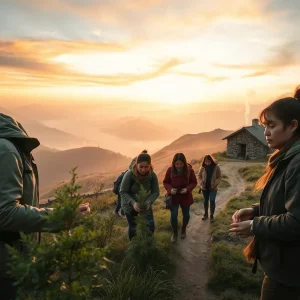
To capture the essence of the Kasada Ceremony, timing is everything. The main event typically begins at midnight and continues until sunrise, with the most intense moments occurring just before dawn. Arriving early is crucial, not only to secure a good vantage point but also to immerse yourself in the buildup of the ceremony. The pre-dawn hours are particularly magical, as the cold mountain air is filled with the scent of incense, the sound of prayers, and the flickering glow of torches.
If you’re aiming for landscape shots, the golden hour after sunrise provides a breathtaking backdrop of the Bromo caldera, with its otherworldly mist and volcanic terrain. However, the ceremony itself is the star, so prioritize capturing the human element—the expressions of devotion, the intricate details of the offerings, and the interactions between participants. Plan to stay for at least two days to explore the surrounding areas, such as the Sea of Sand and the savanna, which offer additional photographic opportunities.
Respectful Photography: Etiquette for Visitors
While the Kasada Ceremony is a public event, it is first and foremost a deeply spiritual occasion for the Tenggerese people. As a photographer, your presence should be unobtrusive and respectful. Always ask for permission before taking close-up portraits of individuals, especially during private moments of prayer or offering. Many participants are happy to be photographed, but a polite gesture or smile can go a long way in building trust and ensuring a positive interaction.
Avoid using flash during the ceremony, as it can be disruptive and disrespectful. Instead, rely on natural light or a fast lens to capture the ambiance. Be mindful of your surroundings—don’t block pathways or interfere with the procession. Dress modestly, covering your shoulders and knees, to show respect for the local culture. Finally, consider giving back to the community by sharing your photos with the participants or supporting local guides and vendors.
Gear and Settings: Technical Tips for Stunning Shots
Photographing the Kasada Ceremony requires a mix of technical skill and adaptability. The low-light conditions of the pre-dawn hours demand a camera with good high-ISO performance. A full-frame DSLR or mirrorless camera with a fast prime lens (such as a 35mm or 50mm f/1.4) is ideal for capturing sharp, well-exposed images without relying on flash. A wide-angle lens (16-35mm) is also useful for landscape shots of the caldera and the procession.
For camera settings, start with an ISO of 1600-3200 to account for the low light, and adjust your aperture to f/2.8 or wider to let in as much light as possible. Use a slower shutter speed (1/60s or slower) to capture the movement of the torchlit procession, but be mindful of camera shake—consider using a tripod or monopod for stability. Shoot in RAW format to retain maximum detail and flexibility in post-processing, especially for recovering shadows and highlights in the challenging lighting conditions.
Composition: Telling a Story Through Your Lens
The Kasada Ceremony is a visual feast, and your composition should reflect its depth and emotion. Look for moments that convey the spiritual significance of the event, such as a devotee in prayer, the intricate details of an offering, or the contrast between the dark night and the glowing embers of the torches. Use leading lines, such as the path to the crater or the rows of participants, to draw the viewer’s eye into the scene. Experiment with different angles—shoot from a low perspective to emphasize the grandeur of the mountain, or capture the crowd from above to show the scale of the ceremony.
Don’t forget to include the landscape in your shots. The Bromo caldera, with its volcanic sand and misty peaks, provides a dramatic backdrop that enhances the narrative of your images. A well-composed shot might feature a lone figure against the vastness of the Sea of Sand, or a group of participants framed by the rising sun. The key is to balance the human element with the natural environment, creating images that are both visually striking and emotionally resonant.
Beyond the Ceremony: Exploring the Bromo-Tengger-Semeru National Park
While the Kasada Ceremony is the main attraction, the Bromo-Tengger-Semeru National Park offers a wealth of photographic opportunities beyond the event itself. The Sea of Sand, a vast expanse of volcanic ash, is a surreal landscape that looks like something out of a sci-fi movie. The savanna, with its rolling hills and grazing horses, provides a stark contrast to the rugged terrain of the caldera. Sunrise at Mount Penanjakan, one of the most popular viewpoints in the park, offers a panoramic vista of the Bromo crater, Mount Semeru, and the surrounding peaks.
To make the most of your visit, consider hiring a local guide who can take you to hidden spots and share insights into the region’s history and culture. A guide can also help you navigate the park’s challenging terrain, ensuring you don’t miss any of the best viewpoints. Whether you’re capturing the ethereal beauty of the misty mountains or the vibrant colors of the local flora, the national park is a photographer’s paradise that rewards exploration and patience.
Photographing the Kasada Ceremony is more than just a technical exercise—it’s an opportunity to connect with a culture, a landscape, and a moment in time. The images you capture will not only document a unique event but also preserve the stories and emotions of the Tenggerese people. As you frame each shot, remember that the best photographs are those that go beyond aesthetics, offering a glimpse into the soul of the subject. Whether you’re drawn by the spiritual energy of the ceremony or the breathtaking beauty of Mount Bromo, this experience will leave an indelible mark on your photographic journey, inspiring you to seek out and capture the magic in every corner of the world.