The Soul of the Table: How Culinary Heritage Tours and Interactive Historical Experiences Are Crafting the Future of Regenerative Travel
The first bite is never just a taste—it’s an invitation. A single spoonful of pho in Hanoi, rich with star anise and cinnamon, doesn’t just warm the body; it carries the weight of a thousand street-side mornings, the clatter of bowls, the laughter of vendors who’ve perfected their broth over generations. This is the magic of culinary heritage tours: they don’t just feed you; they feed your soul with stories, with the invisible threads that connect a dish to a people, a place, a history. And when these experiences are woven into the fabric of regenerative travel, they become more than meals—they become acts of preservation, of connection, of rebirth.
The Alchemy of Flavor and Memory
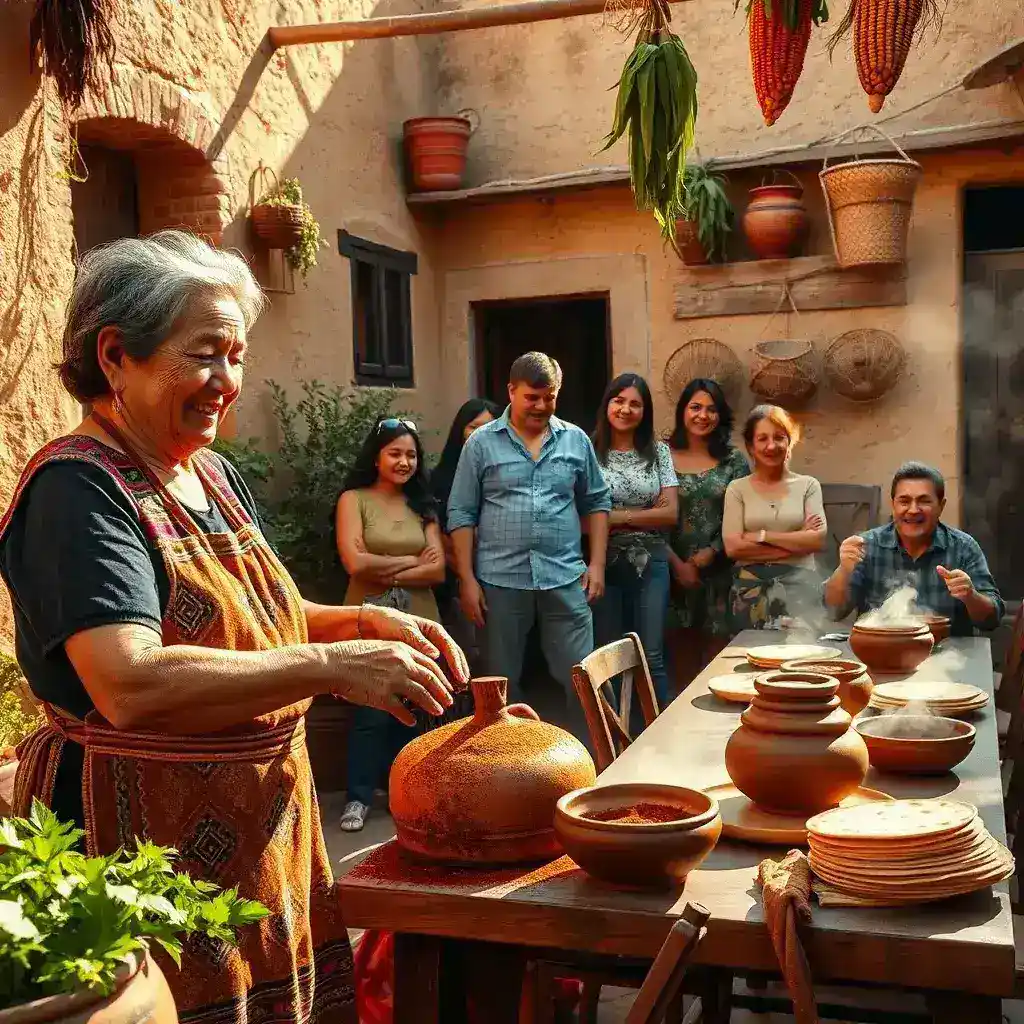
Imagine stepping into a sun-drenched courtyard in Oaxaca, where the air is thick with the scent of toasted corn and smoky mole negro. Here, a Zapotec grandmother stirs a pot that has simmered for hours, her hands moving with the rhythm of centuries. She doesn’t just teach you how to grind spices or fold tamales; she shares the legends of the ingredients—the corn that is sacred, the chocolate that was once currency, the chiles that ward off evil spirits. This is heritage interpretation at its most intimate, where every flavor is a footnote in a larger narrative, and every meal is a chapter in a living history book.
Culinary heritage tours are not passive experiences. They demand engagement, curiosity, and a willingness to see food as more than sustenance. In Italy, you might find yourself in a truffle hunter’s forest, learning how the delicate fungi are foraged with the help of dogs whose noses are as finely tuned as a sommelier’s palate. In Japan, a kaiseki meal becomes a meditation on seasonality, where each dish is a brushstroke in a larger painting of the natural world. These are not just cooking classes; they are masterclasses in culture, in the art of seeing the world through the lens of what we eat.
The Past on a Plate: Interactive Historical Experiences
But what happens when culinary heritage collides with interactive historical tours? The result is nothing short of transformative. Picture yourself in Istanbul, where a meal isn’t just served—it’s performed. In a restored Ottoman mansion, actors in period costumes reenact the feasts of sultans, while historians explain how the spice trade shaped empires, how the flavors of the Silk Road still linger in modern Turkish cuisine. You don’t just eat baklava; you learn how its layers symbolize the strata of society, how its sweetness was once reserved for the elite, and how it became a dessert for the masses.
These experiences are a form of time travel, where the past is not just observed but tasted, smelled, and felt. In Peru, a visit to a picantería in Arequipa becomes a journey through the colonial era, where the fusion of Spanish and Andean flavors tells the story of conquest and resilience. In Morocco, a tagine cooking class in the medina is paired with stories of the spice merchants who once bartered in these very alleys, their wares shaping the course of history. These tours don’t just teach history—they make it visceral, unforgettable.
Regenerative Travel: Where Every Bite Gives Back
The true power of culinary heritage tours lies in their ability to regenerate—not just the traveler, but the communities they visit. When you book a tour with a local cooperative in Thailand, where farmers teach you how to harvest rice or press coconut milk, you’re not just learning a skill; you’re ensuring that traditional knowledge isn’t lost to modernization. When you dine at a women-led restaurant in Rwanda, where survivors of the genocide share their stories through food, you’re contributing to healing, to reconciliation, to a future where the past is honored but not dwelled upon.
This is the heart of regenerative travel: the understanding that tourism can be a force for good, that every dollar spent can help preserve a culture, restore an ecosystem, or empower a community. In Portugal, a tour of the Alentejo region might include a visit to a cork forest, where you learn how sustainable harvesting practices protect biodiversity while supporting local families. In India, a spice tour in Kerala could lead you to a farm where organic practices are reviving ancient agricultural techniques, ensuring that the land remains fertile for generations to come.
The Slow Food Movement: A Revolution on Your Plate
At the intersection of culinary heritage and regenerative travel lies the Slow Food movement, a global effort to counteract the homogenization of food cultures. Born in Italy as a protest against fast food, Slow Food champions local, seasonal, and sustainable eating. It’s a philosophy that aligns perfectly with the principles of slow travel—taking the time to savor, to connect, to understand.
Imagine spending a week in a Tuscan agriturismo, where you wake up to the sound of roosters and spend your days harvesting olives, pressing oil, and learning how to make pici pasta by hand. Or picture yourself in a small village in Mexico, where a family teaches you how to make pulque, an ancient fermented drink, using techniques passed down through generations. These experiences are not just about food; they’re about reclaiming the joy of the table, the pleasure of sharing a meal with those who grew, cooked, and cherished it.
The Future of Travel: Where Every Meal is a Story
The future of travel is not about ticking off bucket-list destinations or snapping photos for social media. It’s about forging connections—with people, with places, with the stories that make them unique. Culinary heritage tours and interactive historical experiences offer a way to travel that is deeply personal, profoundly educational, and endlessly rewarding. They remind us that the best way to understand a culture is not through its monuments, but through its meals.
When you sit down at a table in a foreign land, you’re not just a tourist; you’re a guest, a student, a participant in something much larger than yourself. You’re part of a story that began long before you arrived and will continue long after you leave. And in that moment, as you lift your fork or raise your glass, you realize that travel isn’t just about seeing the world—it’s about tasting it, feeling it, and carrying a piece of it with you, forever.