The Soul of the Unseen Pantry: How Culinary Heritage Tours and Regenerative Travel Are Crafting the Future of Transformative Sustenance
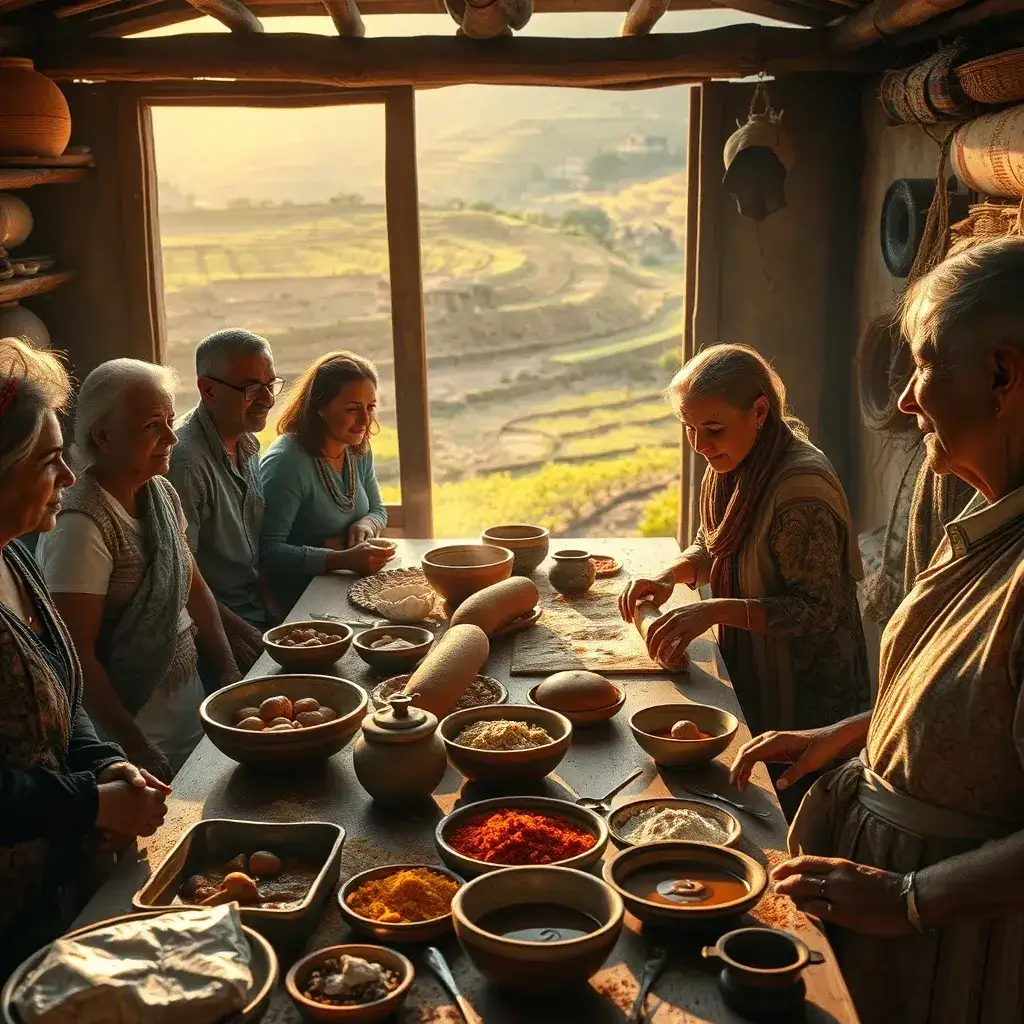
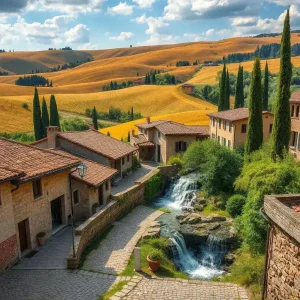
The first light of dawn spills over the terraced hills of a sleepy village, where the air hums with the scent of woodsmoke and freshly ground spices. Here, the rhythm of life is measured not in hours, but in the slow simmer of a stew passed down through generations, in the kneading of dough that carries the memory of a hundred hands before yours. This is where culinary heritage tours begin—not as mere tastings, but as immersive rituals that stitch travelers into the fabric of a place, one bite at a time.
The Alchemy of Flavor and Memory
There’s a quiet magic in watching a grandmother roll out roti on a sun-warmed stone, her fingers moving with the precision of someone who has done this every morning for seventy years. The flour dusts the air like a benediction, and when the bread puffs over the open flame, it’s not just food—it’s a story. Culinary heritage tours peel back the layers of these stories, revealing how every dish is a living archive of migration, trade, and survival. The feijoada of Brazil whispers of enslaved Africans who transformed scraps into feasts, while the pho of Vietnam carries the echoes of French colonialism and local ingenuity. To taste these dishes is to hold history in your mouth, to let it dissolve on your tongue like a secret meant to be shared.
But these experiences are more than passive consumption. The most transformative tours invite travelers to step into the kitchen, to learn the alchemy of balancing spices or the patience required to ferment a perfect kimchi. In Oaxaca, visitors grind corn for tortillas alongside Zapotec women, their hands learning the weight and texture of masa while their ears absorb stories of resistance and resilience. In Sicily, the cassata becomes a canvas for intergenerational wisdom, its layers of ricotta and candied fruit a metaphor for the island’s layered identity. These are not cooking classes; they are acts of communion, where the act of preparing food becomes a bridge between strangers and a celebration of shared humanity.
Regenerative Travel: Feeding the Land as We Feed Ourselves
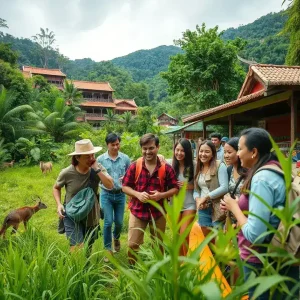
The most profound culinary heritage tours are those that understand food as a cycle, not a commodity. Regenerative travel asks us to consider not just what we eat, but how our eating can heal the land, the communities, and ourselves. In the highlands of Peru, travelers don’t just sample quinoa—they walk the fields with Andean farmers, learning how ancient agricultural techniques like waru waru (raised beds) prevent soil erosion and preserve biodiversity. The meal that follows isn’t just nourishment; it’s a testament to a system where every seed planted is a promise to the future.
This philosophy extends beyond the farm. In Italy’s Langhe region, winemakers who practice viticoltura rigenerativa (regenerative viticulture) invite visitors to witness how cover crops and composting restore the soil, how the absence of pesticides allows the land to thrive. The wine tasted afterward carries the terroir not just in its flavor, but in its very essence—a product of harmony, not extraction. Similarly, in Kerala’s backwaters, travelers dine on karimeen (pearl spot fish) caught using traditional Chinese fishing nets, a method that ensures sustainability by limiting the catch. The fish isn’t just food; it’s a conversation about balance, about giving back to the water as much as we take.
The Table as a Classroom
Culinary heritage tours have the power to dismantle stereotypes and rebuild connections. In South Africa, township tours led by local chefs challenge the narrative of poverty by showcasing the vibrancy of shisa nyama (barbecue) culture, where every meal is a celebration of community. In Japan, travelers don’t just eat sushi—they visit the Tsukiji Outer Market with a chef who explains how the edomae (Tokyo-style) sushi tradition was shaped by the city’s history as a fishing hub. The omakase experience becomes a lesson in respect: for the fish, for the chef, for the hands that brought the ingredients to the table.
These experiences also serve as a reminder that food is never just about sustenance. It’s about identity, about the stories we tell ourselves to make sense of the world. In Mexico, a mole workshop isn’t complete without the tale of how the dish was born from a nun’s desperation to impress a visiting archbishop, her improvisation with chocolate and chiles creating a masterpiece. In Lebanon, the mezze spread is a testament to hospitality, where the act of sharing food is an act of love. To partake in these traditions is to be invited into a narrative larger than oneself, to become a temporary custodian of a culture’s soul.
Beyond the Plate: The Ripple Effects of Mindful Eating
The impact of culinary heritage tours extends far beyond the individual traveler. When done thoughtfully, they become a force for economic regeneration, funneling tourism dollars into the hands of small-scale farmers, fishermen, and artisans. In Portugal’s Alentejo region, visitors stay in montes (traditional farmhouses) where they learn to make pão alentejano (regional bread) using wheat grown on-site. The flour mill, the oven, the hands that shape the dough—all are part of a closed loop that keeps money circulating within the community. Similarly, in Thailand’s Chiang Mai, cooking schools like Thai Farm Cooking School source ingredients from their own organic gardens, ensuring that every pad thai or green curry supports local agriculture.
But the true measure of these experiences lies in their ability to change how we eat long after the journey ends. Travelers who have plucked olives in Greece or harvested saffron in Iran return home with more than recipes—they carry a newfound reverence for the origins of their food. They seek out farmers’ markets, question the supply chains behind their groceries, and demand transparency from the restaurants they frequent. In this way, culinary heritage tours become a form of activism, a quiet rebellion against the homogenization of global food systems.
The Unseen Ingredients: Time, Patience, and Presence
Perhaps the most radical act of a culinary heritage tour is its insistence on slowness. In a world where meals are often consumed in haste, these experiences ask us to linger, to savor, to engage all our senses. In Morocco, the tagine isn’t rushed; it’s allowed to cook over a low flame for hours, its flavors deepening with time. In India, the biryani is layered with care, each ingredient added at the precise moment to create a symphony of taste. These are not just cooking techniques—they are meditations on the value of patience, on the beauty of process over product.
This slowness extends to the way we interact with the people behind the food. In Sicily, the nonnas who teach pasta-making don’t just share recipes; they share their lives, their laughter, their sorrows. In Vietnam, the street food vendors who guide travelers through Hanoi’s Old Quarter don’t just sell bánh mì—they offer glimpses into their daily routines, their dreams, their struggles. These encounters remind us that food is never just about the dish; it’s about the hands that prepared it, the land that nourished it, the culture that shaped it.
As the sun dips below the horizon and the last embers of the cooking fire glow, there’s a sense of something intangible yet profound settling into the bones. It’s the realization that the most transformative travel experiences aren’t measured in miles or monuments, but in the connections forged over a shared meal. The flavors linger, yes, but so do the stories, the lessons, the quiet understanding that to nourish others is to nourish the world. And perhaps, in that act of mindful sustenance, we find the truest form of regeneration—not just for the places we visit, but for ourselves.