The Soul of the Unseen Hearth: How Culinary Heritage Tours and Community-Led Hospitality Are Crafting the Future of Regenerative Travel
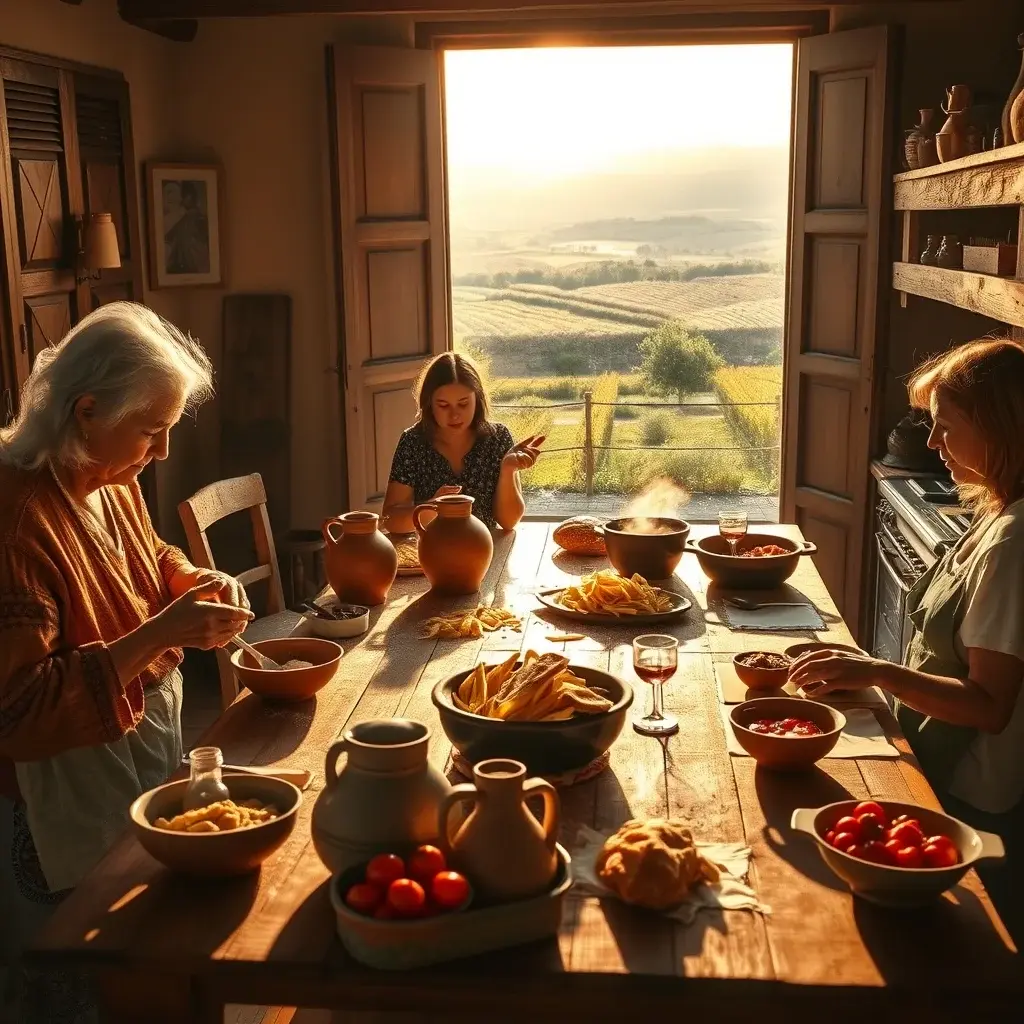
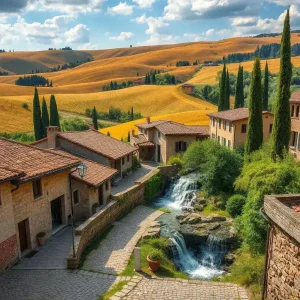
The first time I sat cross-legged on a sun-warmed wooden floor in a centuries-old farmhouse in Tuscany, the scent of rosemary and woodsmoke curling through the air, I understood that travel could be more than movement—it could be a homecoming. The table before me groaned under the weight of handmade pici pasta, slow-simmered ragù, and wine poured from terracotta jugs that had seen generations of harvests. But what truly stole my breath wasn’t the food; it was the way the family who hosted me spoke of their land—not as a postcard, but as a living, breathing entity that demanded respect, reciprocity, and ritual. This was no performance for tourists. This was the soul of the unseen hearth, where culinary heritage and community-led hospitality merge to forge something far greater than a meal: a regenerative bond between traveler and place.
The Alchemy of the Local Kitchen
Culinary heritage tours are often mistaken for mere food crawls—gluttonous sprints from one restaurant to the next. But the tours that linger in the memory, that alter the very fabric of how we see the world, are those that treat the kitchen as a portal. In Oaxaca, I learned to grind corn the Zapotec way, my hands pressing masa between volcanic stones while a grandmother explained how each kernel carries the story of her ancestors. In Kyoto, a tea master demonstrated how the precise angle of a whisk could summon centuries of Zen philosophy in a single frothy bowl. These aren’t cooking classes; they’re communion. The act of preparing and sharing food becomes a language without words, one that speaks of resilience, adaptation, and the quiet defiance of time.
What makes these experiences regenerative is their refusal to commodify tradition. The families, farmers, and artisans who open their kitchens aren’t selling a product; they’re inviting you into a relationship. The money you spend doesn’t vanish into a corporate ledger—it circulates back into the soil, the hands that tend it, and the stories that give it meaning. In Peru, I met a cooperative of women weavers who used proceeds from their culinary tours to fund a communal kitchen garden, ensuring that the same ingredients that fed their guests would nourish their children. This is travel as circular economy, where every bite becomes an investment in the future of a place.
The Hospitality That Heals
Community-led hospitality flips the script on the transactional nature of tourism. Instead of checking into a hotel designed to shield you from the local pulse, you’re welcomed into spaces where the rhythms of daily life dictate the tempo of your stay. In a village in Rajasthan, I slept in a mud-and-thatch homestay where the family rose before dawn to milk their goats and prepare breakfast over an open fire. There were no room service menus, no minibars—just the simple, profound act of sharing what they had. The matriarch of the house, a woman with hands as gnarled as the olive trees in her courtyard, told me, “You are not a guest here. You are family who has come home.”
This kind of hospitality doesn’t just sustain communities—it regenerates them. In Portugal’s Alentejo region, I stayed at a rural guesthouse where the owners had revitalized abandoned farmhouses using traditional techniques, employing local craftsmen and sourcing materials from nearby forests. The result wasn’t just a place to stay; it was a revival of a dying way of life. Guests weren’t passive observers; they were participants, learning to press olives, bake bread in wood-fired ovens, and mend stone walls. The line between host and visitor blurred, and in that blurring, something sacred emerged: a sense of belonging to a place, even if only for a little while.
The Table as a Classroom
Food is the most democratic of teachers. It doesn’t require fluency in a language or a degree in history to understand its lessons. In Sicily, I joined a tour that traced the island’s layered identity through its cuisine—Arabic citrus groves, Norman olive presses, Greek fishing techniques. We ate caponata in a 12th-century palace, its sweet-and-sour flavors a testament to the cultures that had conquered, traded with, and ultimately become part of the island. The guide, a historian by training, didn’t lecture us. Instead, she passed around a bowl of couscous and said, “Taste the North Africa in this. Taste the Sicily.” And we did.
These tours do more than educate; they challenge. In Vietnam, I took a street food tour that didn’t shy away from the country’s complex history. We ate bánh mì under the shadow of a colonial-era cathedral, the sandwich’s French baguette and Vietnamese fillings a perfect metaphor for resilience. Our guide, a former refugee, spoke of how food had been both a weapon and a salve during the war—how recipes had been smuggled in letters, how communal kitchens had kept hope alive. By the end of the meal, I wasn’t just full; I was humbled. I had come seeking flavor and left with a deeper understanding of what it means to endure.
The Ripple Effect of Regenerative Travel
The most powerful aspect of culinary heritage tours and community-led hospitality is their ability to create ripples. A traveler who learns to make pasta from a Tuscan nonna doesn’t just replicate the recipe at home; they carry forward the values of slow food, of seasonal eating, of gratitude for the hands that feed them. A guest who stays in a homestay in Rajasthan leaves with more than photographs—they leave with a new definition of wealth, one measured in time, connection, and the quiet joy of a shared meal.
In a world where travel is often reduced to a checklist of must-see sights and must-take photos, these experiences offer something far more precious: the chance to be transformed. They remind us that the most profound journeys aren’t about seeing new places, but about seeing ourselves—and our place in the world—more clearly. When we sit at the table of a stranger and break bread together, we’re not just tasting food; we’re tasting the possibility of a different way of being. And perhaps, just perhaps, that taste lingers long after the journey ends, shaping how we move through our own lives, how we nourish ourselves and others, and how we choose to belong to the places we call home.