The Soul of the Unwritten Recipe: How Culinary Heritage Tours and Authentic Local Interaction Are Crafting the Future of Regenerative Travel
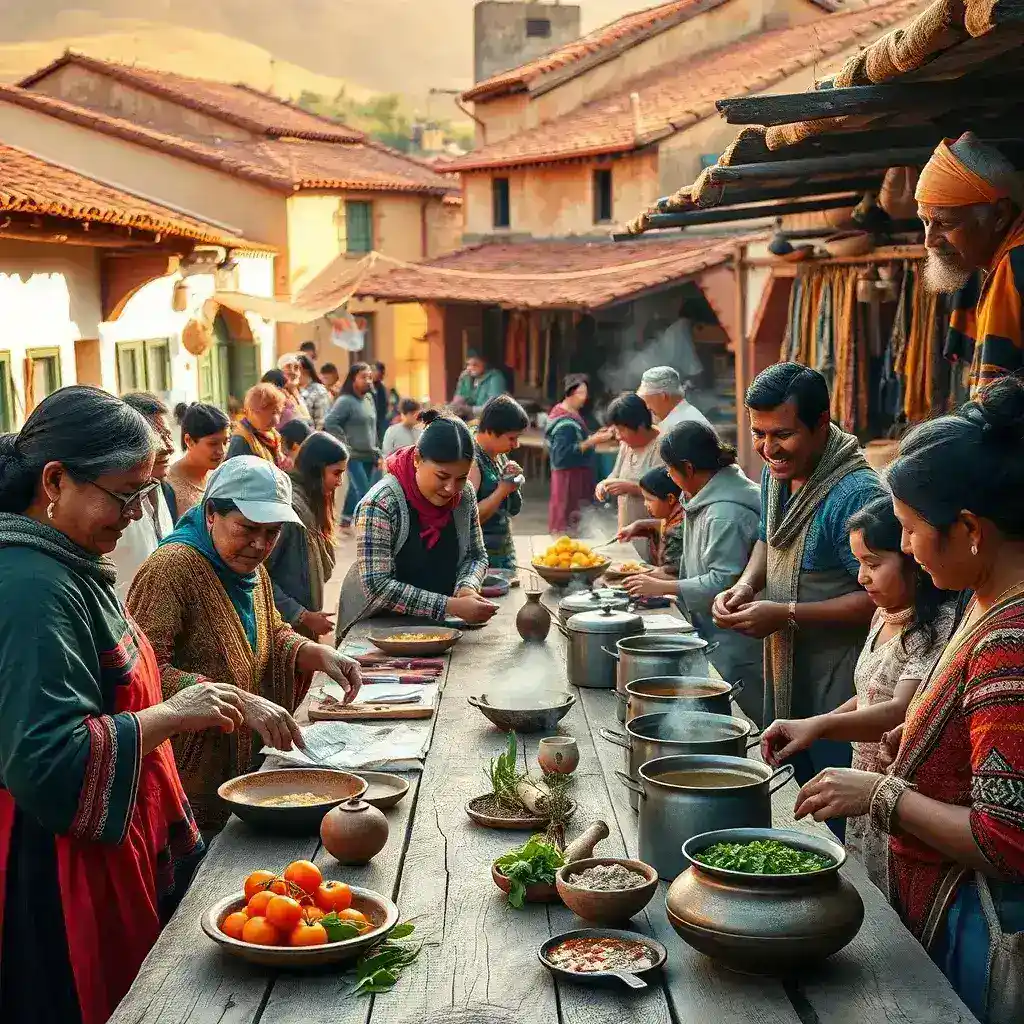
The first light of dawn spills over the terracotta rooftops of a sleepy village, painting the cobblestone streets in hues of gold and amber. The air is thick with the scent of woodsmoke and freshly baked bread, a symphony of aromas that beckons you deeper into the heart of a place where time moves differently. Here, in the quiet corners of the world, culinary heritage is not just preserved—it is lived, breathed, and shared with a generosity that transcends language. This is the essence of regenerative travel: a journey that nourishes not only the traveler but the land and its people, stitching together the past and present through the universal language of food.
The Alchemy of the Local Kitchen
There is something almost magical about stepping into a kitchen where recipes have been passed down through generations, where every chop of the knife and stir of the spoon carries the weight of history. Culinary heritage tours offer more than just a meal; they invite you into the intimate rituals of a culture, where food becomes a vessel for storytelling. In the highlands of Peru, you might find yourself kneading dough alongside a Quechua grandmother, her hands guiding yours as she shares the secrets of pan chuta, a traditional bread baked in clay ovens. In the floating markets of Thailand, a vendor might hand you a mortar and pestle, teaching you the precise rhythm of pounding lemongrass and galangal into a fragrant paste. These are not mere cooking classes—they are acts of cultural preservation, where every ingredient tells a story of migration, trade, and resilience.
The beauty of these experiences lies in their authenticity. Unlike the sanitized versions of local cuisine often served in tourist hubs, culinary heritage tours take you off the beaten path, into the homes and workshops of those who have dedicated their lives to keeping traditions alive. Here, you are not a spectator but a participant, your hands and senses engaged in the creation of something greater than yourself. The act of cooking becomes a bridge, connecting you to the land and its people in a way that no guidebook or Instagram post ever could.
The Table as a Meeting Place
Food has always been a catalyst for connection, a universal language that transcends borders and differences. In the context of regenerative travel, shared meals become a powerful tool for fostering authentic local interaction. Imagine sitting at a long wooden table in a Sicilian farmhouse, the air filled with the laughter of strangers-turned-friends as plates of handmade pasta and locally sourced wine are passed around. Or picture yourself in a Moroccan riad, where a family invites you to join them for a feast of tagines and sweet mint tea, their stories weaving into the fabric of your own journey. These moments are not just about sustenance—they are about belonging.
Community-led tourism initiatives are increasingly recognizing the transformative potential of these shared experiences. By centering food as a means of cultural exchange, they create spaces where travelers and locals can engage in meaningful dialogue, breaking down barriers and fostering mutual understanding. In Oaxaca, Mexico, for example, indigenous Zapotec communities have opened their homes to visitors, offering cooking workshops that highlight the region’s rich culinary traditions while also addressing issues of food sovereignty and sustainability. These interactions are not one-sided; they are reciprocal, with travelers leaving not just with full stomachs but with a deeper appreciation for the complexities of the places they visit.
The Ripple Effect of Mindful Consumption
Regenerative travel is not just about what you take from a place—it is about what you leave behind. Culinary heritage tours, when done thoughtfully, can have a profound impact on local economies and ecosystems. By supporting small-scale farmers, fishermen, and artisans, these experiences help to sustain traditional livelihoods and promote biodiversity. In Italy, the Slow Food movement has championed this ethos, encouraging travelers to seek out presidia—products that are at risk of disappearing, such as rare varieties of cheese or heirloom grains. By choosing to consume these foods, travelers become stewards of culinary diversity, ensuring that these flavors endure for future generations.
Moreover, culinary heritage tours often emphasize sustainability in their practices. From farm-to-table experiences that highlight organic farming techniques to zero-waste cooking classes that teach travelers how to minimize food waste, these initiatives demonstrate how food can be a force for environmental regeneration. In Bali, for instance, some cooking schools source their ingredients from permaculture gardens, where every plant serves a purpose, whether it’s providing shade, enriching the soil, or ending up on the plate. These practices not only reduce the carbon footprint of tourism but also inspire travelers to adopt more sustainable habits in their own lives.
The Unwritten Recipes of the Future
As the world becomes increasingly homogenized, the preservation of culinary heritage takes on a new urgency. Yet, the future of these traditions does not lie in stagnation—it lies in evolution. The most powerful culinary heritage tours are those that embrace innovation while honoring the past. In Japan, for example, some experiences blend traditional washoku (Japanese cuisine) with modern techniques, creating a dialogue between old and new. In Ethiopia, coffee ceremonies—once a ritual reserved for special occasions—are now being reimagined as immersive experiences for travelers, who learn not just about the brewing process but also about the cultural significance of coffee in Ethiopian society.
These experiences remind us that heritage is not a static relic but a living, breathing entity that adapts and grows with each generation. By participating in culinary heritage tours, travelers become part of this evolution, their curiosity and respect helping to ensure that these traditions continue to thrive. The recipes they learn are not just instructions for a dish—they are blueprints for a more connected, sustainable, and delicious world.
The sun dips below the horizon, casting long shadows over the village square where the day’s final meal is being shared. The clinking of glasses and the murmur of conversation fill the air, a testament to the bonds forged over a shared love of food. As you take your last bite, you realize that this journey was never just about the flavors on your plate. It was about the hands that prepared them, the stories they carried, and the future they are helping to shape. In a world that often feels fragmented, culinary heritage tours offer a reminder of what it means to be truly nourished—not just in body, but in soul.