How to Get a Fog-Free View of Mount Bromo: Expert Tips for Clearer Sightings
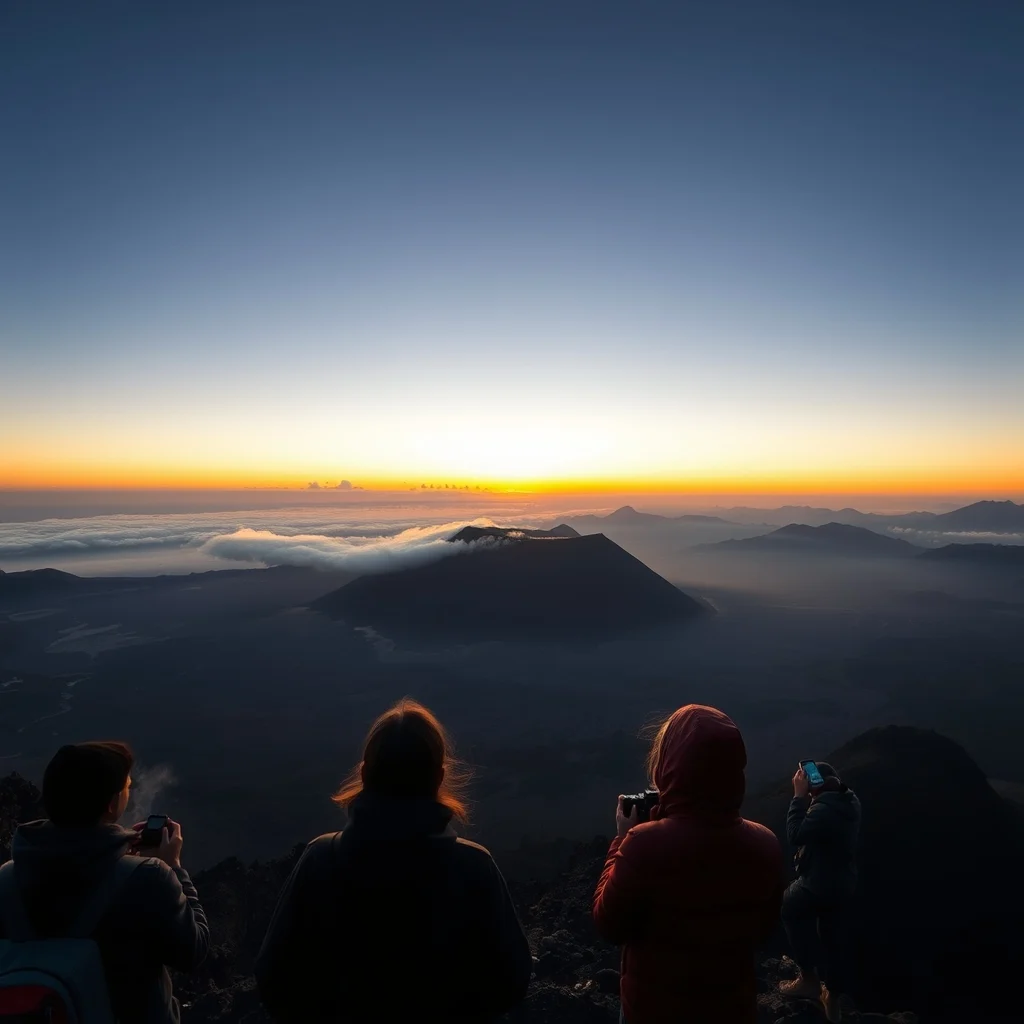
Standing at the edge of Mount Bromo’s vast caldera, the anticipation of witnessing its otherworldly beauty can quickly turn to disappointment if a thick blanket of fog rolls in, obscuring the iconic volcano from view. While fog is a natural part of Bromo’s ever-changing landscape, there are proven strategies to increase your chances of a clear sighting. Whether you’re a photographer chasing the perfect sunrise shot or a traveler eager to soak in the raw majesty of this Indonesian wonder, timing, preparation, and flexibility are key.
The Best Time of Year to Visit Mount Bromo
Mount Bromo’s visibility is heavily influenced by seasonal weather patterns. The dry season, which runs from April to October, offers the most reliable conditions for fog-free views. During these months, rainfall is minimal, and the skies are often clearer, especially in the early mornings. June to August is particularly ideal, as the weather is at its most stable, though this also means larger crowds.
If you prefer fewer tourists, consider visiting in the shoulder months of April-May or September-October. While there’s a slightly higher chance of brief rain showers, the trade-off is a more serene experience. The wet season, from November to March, brings heavier rainfall and increased fog, making sightings less predictable. However, even in these months, early mornings can sometimes deliver stunning, fog-free moments—if you’re willing to take the gamble.
Mastering the Early Morning Strategy
The golden rule for clear views of Mount Bromo is to arrive before sunrise. Fog tends to form overnight and lingers in the caldera until the sun’s warmth disperses it. By reaching the viewpoint by 3:30 AM to 4:00 AM, you’ll position yourself to catch the first light as it breaks through the mist. Popular viewpoints like Penanjakan 1 and King Kong Hill are prime spots, but they require an early start to secure a good position, especially during peak season.
Dress warmly—temperatures at this hour can drop to 5-10°C (41-50°F), and the wind chill on the open caldera makes it feel even colder. Bring a thermos of hot coffee or tea to stay comfortable while you wait. If you’re not an early riser, consider hiring a local jeep driver who can navigate the dark, winding roads safely and knows the best routes to avoid delays.
Alternative Viewpoints for Unobstructed Views
While Penanjakan 1 is the most famous viewpoint, it’s not the only option. If fog is persistent, having a backup plan can save your trip. Seruni Point, located slightly lower than Penanjakan 1, sometimes offers clearer views when the higher vantage points are shrouded in mist. Another lesser-known spot is Cemoro Lawang’s village viewpoint, which provides a different perspective of Bromo and the surrounding sea of sand.
For those willing to venture further, Mount Batok offers a unique angle. Though it requires a short hike, the payoff is a panoramic view of the entire Bromo-Tengger-Semeru National Park with fewer crowds. If you’re up for a challenge, climbing Mount Semeru—Java’s highest peak—rewards you with an unparalleled vantage point over Bromo, though this is a multi-day trek best suited for experienced hikers.
Understanding Weather Patterns and Real-Time Visibility
Fog at Mount Bromo is influenced by a mix of factors, including temperature, humidity, and wind direction. Overnight, cool air sinks into the caldera, trapping moisture and creating fog. As the sun rises, the air warms, and the fog typically lifts—unless rain or high humidity persists. Checking the weather forecast a few days before your trip can help you gauge the likelihood of clear skies, but conditions can change rapidly.
For real-time updates, use apps like Windy, AccuWeather, or the local BMKG (Indonesian Meteorological Agency) website. These tools provide hourly visibility predictions, wind speed, and cloud cover data. Local jeep drivers and guesthouse owners are also valuable resources—they often have firsthand knowledge of current conditions and can advise whether it’s worth making the early trek.
What to Do If Fog Rolls In
Even with the best planning, fog can still surprise you. If you arrive at the viewpoint to find Bromo hidden, don’t lose hope. Fog at Bromo is often patchy and can shift quickly. Wait at least 30-45 minutes—sometimes, the mist clears just enough to reveal the volcano’s silhouette as the sun rises. If the fog persists, consider exploring other parts of the park, like the Tengger Sand Sea or the Laut Pasir (Sea of Sand), where the dramatic landscape can still make for a memorable experience.
Another option is to return later in the day. While mornings are ideal for photography, the late afternoon (3:00 PM – 5:00 PM) can sometimes offer clear views, especially during the dry season. The lighting is softer, and the crowds are thinner, making it a great time to capture Bromo’s rugged beauty without the early wake-up call.
Capturing a fog-free view of Mount Bromo requires a mix of patience, preparation, and adaptability. By aligning your visit with the dry season, arriving before dawn, and staying flexible with your plans, you’ll significantly improve your odds of witnessing the volcano in all its glory. Even if the fog doesn’t cooperate, the journey through the surreal landscapes of the Tengger Caldera is an adventure in itself—one that leaves every traveler with stories to tell and a deeper appreciation for nature’s unpredictability.