Embracing the Slow Travel Movement: A Journey Through Sustainable and Immersive Cultural Experiences
In an era dominated by fast-paced lifestyles and digital connectivity, the concept of slow travel has emerged as a refreshing antidote. Slow travel is more than just a trend; it’s a movement that encourages travelers to unplug, immerse themselves in local cultures, and engage with sustainable practices. This approach to tourism not only benefits the traveler but also the communities they visit, fostering a sense of mutual respect and appreciation.
Understanding Slow Travel
Slow travel is a philosophy that advocates for a more deliberate and mindful approach to travel. It’s about breaking away from the rigid schedules and mass tourism that often characterize traditional vacations. Instead, it emphasizes staying longer in fewer destinations, engaging with local communities, and embracing the slower pace of life.
The Benefits of Slow Travel
One of the primary benefits of slow travel is the opportunity to create deeper, more meaningful connections with the places you visit. By staying longer, you have the time to explore beyond the typical tourist hotspots, engaging in activities that are authentic and immersive. This can include participating in local workshops, attending cultural festivals, or simply spending time with the community.
Moreover, slow travel promotes sustainable tourism practices. By choosing to stay longer in fewer places, you reduce your carbon footprint and minimize the environmental impact of your travels. This approach also supports local economies, as you are more likely to spend money with local businesses and support local jobs.
Immersive Cultural Experiences
At the heart of slow travel is the desire to immerse oneself in the local culture. This can take many forms, from participating in traditional crafts and cooking classes to exploring historical sites and attending local events. These experiences provide a unique opportunity to learn about the people, history, and traditions of the places you visit.
Culinary Heritage Tours
One of the most enriching aspects of slow travel is the opportunity to engage with the local cuisine. Culinary heritage tours offer a unique way to explore the flavors and traditions of a region. These tours often involve visiting local markets, learning about the history and significance of traditional dishes, and even participating in cooking classes.
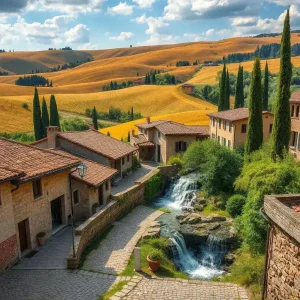
For example, in Italy, a culinary heritage tour might involve visiting a local olive oil cooperative, learning about the history of Italian cuisine, and then participating in a hands-on cooking class where you prepare a traditional pasta dish. This not only provides a delicious meal but also a deeper understanding of the cultural significance of the food.
Sustainable Tourism Practices
Sustainable tourism is a key component of slow travel. It involves traveling in a way that minimizes your environmental impact and supports local communities. This can include choosing eco-friendly accommodations, supporting local businesses, and engaging in activities that promote conservation and preservation.
Experiential Eco Tourism
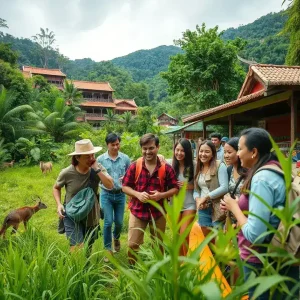
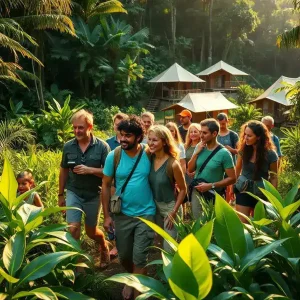
Experiential eco tourism is a form of sustainable tourism that focuses on providing travelers with meaningful, immersive experiences that also benefit the environment. This can include activities such as wildlife conservation tourism, where you participate in activities that promote the conservation of local wildlife, or wellness-oriented travel, where you engage in activities that promote physical and mental well-being.
For example, a wellness-oriented travel experience might involve staying at an eco-lodge, participating in yoga and meditation retreats, and engaging in activities such as hiking, swimming, and spa treatments. This not only provides a relaxing and rejuvenating experience but also supports the local environment and community.
Community Led Tourism
Community led tourism is another important aspect of slow travel. This approach involves working with local communities to develop and promote tourism experiences that are authentic, meaningful, and beneficial to the community. This can include supporting local businesses, engaging in community-led tours, or participating in community events and festivals.
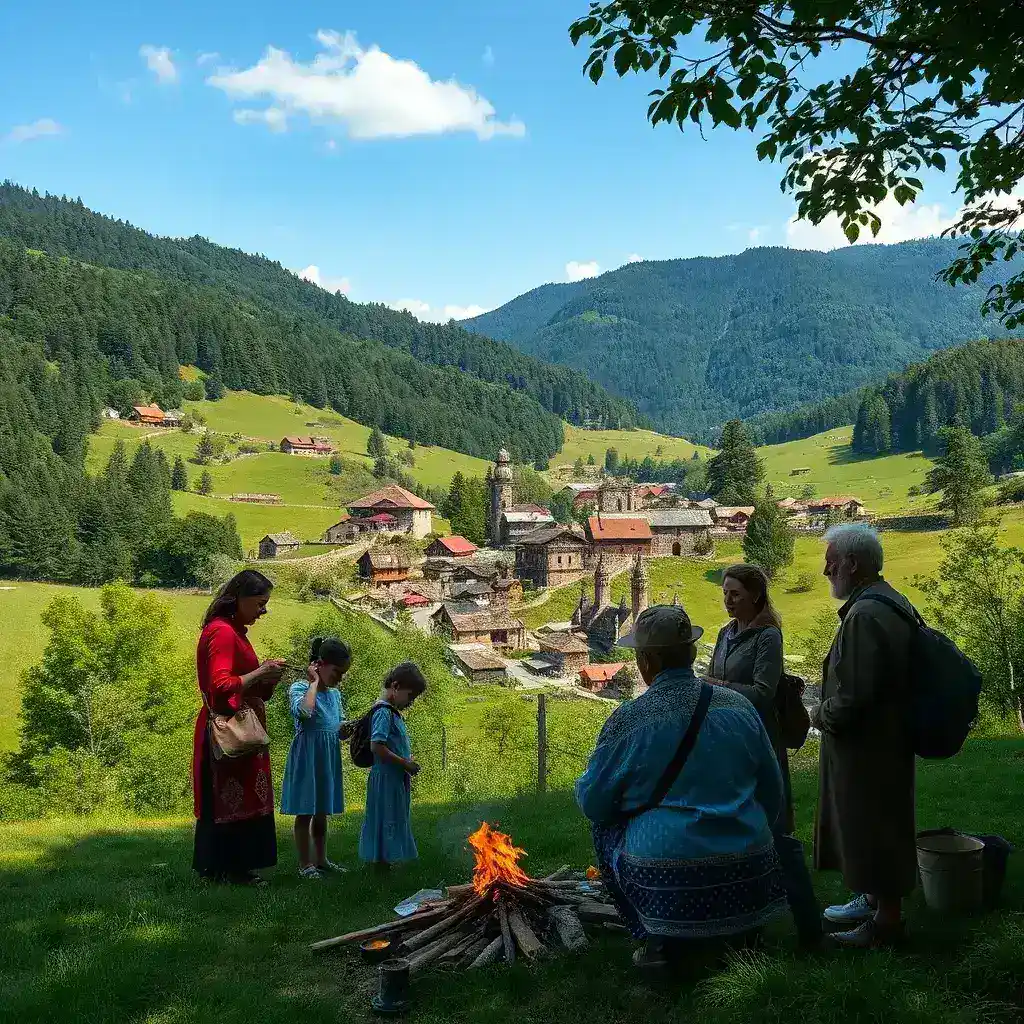
For example, a community-led tour might involve visiting local schools, learning about the history and traditions of the community, and then participating in a traditional craft workshop. This not only provides a unique and enriching experience but also supports the local community and promotes cultural preservation.
In conclusion, slow travel offers a refreshing alternative to traditional forms of tourism. By embracing the principles of slow travel, you can create more meaningful, immersive, and sustainable travel experiences. Whether you’re exploring the flavors of a new city, engaging in activities that promote conservation, or participating in community-led tours, slow travel provides a unique opportunity to connect with the world in a deeper, more meaningful way. So, why not slow down, unplug, and embark on a journey of discovery and immersion?