Embracing the Slow Travel Movement: A Journey of Discovery and Sustainability

In an era where fast-paced lifestyles dominate, the Slow Travel Movement is gaining momentum as a beacon of sustainable and immersive travel. This approach to tourism emphasizes experiential learning, local engagement, and a deep connection with the environment and culture of the destinations visited. By slowing down, travelers can truly appreciate the nuances of a place, fostering a sense of respect and responsibility towards the communities and ecosystems they encounter.
Hyper Local Travel: Connecting with Communities
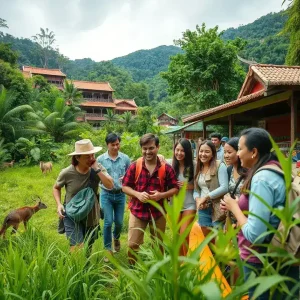
Hyper local travel is a cornerstone of the Slow Travel Movement. It involves exploring destinations on a micro-level, focusing on the unique characteristics and stories of specific neighborhoods or regions. This approach allows travelers to engage with local communities, understand their way of life, and contribute to their well-being. Through hyper local travel, tourists can participate in community-led tourism activities, such as workshops, festivals, and traditional practices, creating meaningful connections and mutual learning experiences.
Culinary Heritage Tours: A Taste of Tradition
One of the most enriching aspects of hyper local travel is the opportunity to participate in culinary heritage tours. These tours take travelers on a journey through the history and culture of a destination’s food, often led by local chefs or food enthusiasts. Participants can learn about traditional recipes, cooking techniques, and the stories behind the ingredients. By immersing themselves in the culinary landscape, travelers not only satisfy their taste buds but also gain a deeper appreciation for the destination’s cultural heritage.
Interactive Historical Tours: Bringing History to Life
Another facet of hyper local travel is the exploration of history through interactive historical tours. These tours go beyond traditional museum visits, offering hands-on experiences that allow participants to engage with the past in a meaningful way. Whether it’s reenacting historical events, exploring ancient ruins, or participating in traditional crafts, interactive historical tours provide a unique and memorable way to learn about a destination’s heritage.
Adventure Based Learning: Skills for Life
Adventure based learning is another key component of the Slow Travel Movement. This approach to education and exploration encourages travelers to develop new skills and gain a deeper understanding of the world through hands-on experiences. Adventure based learning can take many forms, from outdoor activities like hiking and kayaking, to cultural workshops like cooking classes and language lessons. By engaging in these activities, travelers not only have fun but also build confidence, resilience, and a sense of accomplishment.
Adventure Skill Workshops: Unleashing Potential
Adventure skill workshops are a fantastic way to immerse oneself in the Slow Travel Movement. These workshops offer participants the opportunity to learn and practice new skills in a supportive and encouraging environment. Whether it’s rock climbing, surfing, or traditional craftsmanship, adventure skill workshops provide a unique and enriching way to connect with a destination and its people. By participating in these workshops, travelers can push their boundaries, discover new passions, and create lasting memories.
Authentic Local Interaction: Building Bridges
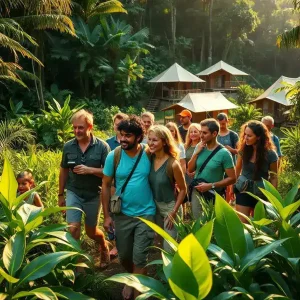
Authentic local interaction is a vital aspect of the Slow Travel Movement. It involves engaging with locals in a genuine and meaningful way, going beyond surface-level conversations to truly understand their culture, values, and way of life. This can be achieved through homestays, language exchange programs, or community volunteer projects. By building bridges with locals, travelers can gain a deeper appreciation for the destination and its people, while also contributing to the well-being of the community.
Regenerative Travel Planning: Leaving a Positive Impact
Regenerative travel planning is a crucial element of the Slow Travel Movement. It involves creating travel itineraries that not only provide enriching experiences but also leave a positive impact on the environment and local communities. This can be achieved by supporting sustainable tourism practices, such as eco-friendly accommodations, responsible wildlife tourism, and community-led initiatives. By planning their trips with a focus on regeneration, travelers can ensure that their adventures contribute to the long-term well-being of the destinations they visit.
In conclusion, the Slow Travel Movement offers a refreshing alternative to traditional tourism, emphasizing sustainability, experiential learning, and a deep connection with the environment and culture of the destinations visited. By embracing hyper local travel, adventure based learning, and regenerative travel planning, travelers can create meaningful and memorable experiences that leave a positive impact on the world. So, slow down, explore, and discover the beauty of the Slow Travel Movement.