Beyond the Guidebook: How Hyper-Local Travel is Redefining Authentic Exploration
In an era where over-tourism threatens the very essence of beloved destinations, a quiet revolution is taking root—one that prioritizes depth over distance, connection over convenience, and sustainability over speed. Hyper-local travel, a movement that immerses travelers in the authentic rhythms of a place through community-led experiences, is reshaping how we explore the world. No longer satisfied with superficial snapshots or crowded landmarks, modern explorers are seeking transformative journeys that leave a positive imprint on both themselves and the places they visit.
The Rise of Hyper-Local Travel
Hyper-local travel is more than just a trend; it’s a response to the growing disillusionment with mass tourism. Travelers are increasingly drawn to experiences that offer a genuine sense of place, where the focus shifts from ticking off bucket-list attractions to engaging with the local culture, traditions, and people. This approach fosters a deeper understanding of a destination, allowing visitors to see beyond the postcard-perfect facades and connect with the soul of a community.
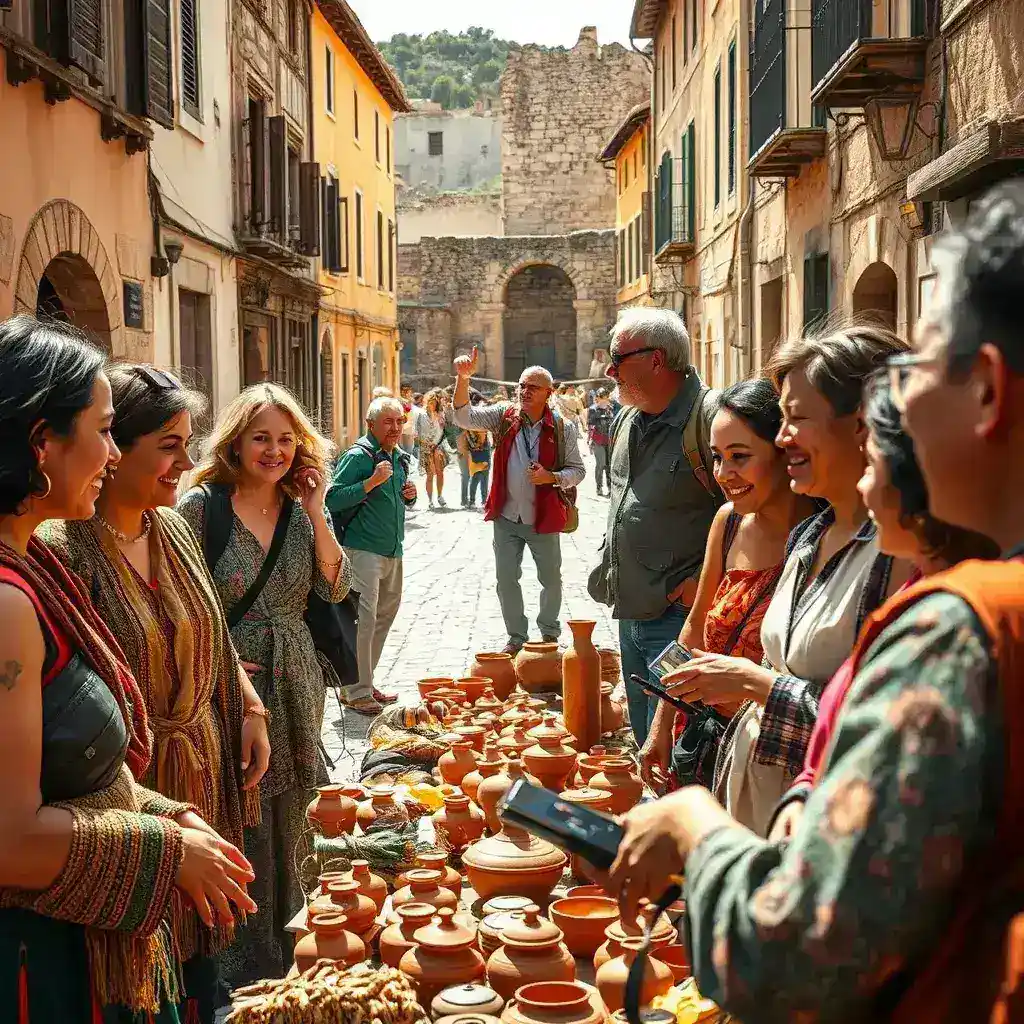
At its core, hyper-local travel is about slowing down and embracing the unfamiliar. It’s about trading guided bus tours for conversations with artisans in their workshops, swapping hotel breakfasts for meals prepared by local families, and replacing generic souvenirs with handcrafted goods that tell a story. These experiences are often led by locals who are passionate about sharing their heritage, whether through culinary heritage tours, interactive historical walks, or anthropological travel experiences that delve into the traditions and customs of a region.
Sustainable Tourism Practices: Traveling with Purpose
One of the most compelling aspects of hyper-local travel is its alignment with sustainable tourism practices. Unlike conventional tourism, which can strain resources and disrupt local ecosystems, hyper-local experiences are designed to be regenerative. They prioritize the well-being of communities, ensuring that tourism dollars directly benefit those who call the destination home. This might mean staying in eco-friendly lodges, participating in wildlife conservation tourism, or supporting businesses that practice fair trade and ethical sourcing.
Regenerative travel planning takes this a step further by actively contributing to the restoration of natural and cultural landscapes. Travelers might find themselves planting trees, restoring ancient ruins, or learning traditional farming techniques—activities that not only enrich their own experience but also leave a lasting positive impact on the environment. These practices are a far cry from the extractive nature of mass tourism, where destinations are often treated as commodities rather than living, breathing ecosystems.
Adventure-Based Learning: Where Exploration Meets Education
For those who crave more than just passive observation, adventure-based learning offers a dynamic way to engage with a destination. This approach combines physical activity with cultural immersion, turning travel into an opportunity for personal growth. Whether it’s learning survival skills from indigenous communities, participating in adventure skill workshops, or embarking on experiential eco-tourism expeditions, these experiences challenge travelers to step outside their comfort zones and see the world through a new lens.
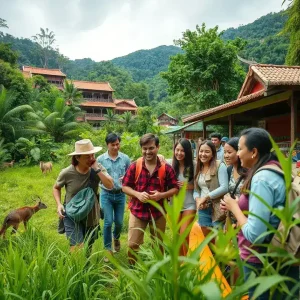
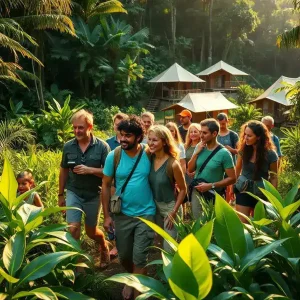
Imagine trekking through a remote jungle with a local guide who shares stories of the land’s history and ecology, or spending a week in a coastal village learning traditional fishing techniques. These are the kinds of experiences that foster a deeper appreciation for the natural world and the communities that depend on it. They also provide a sense of accomplishment, as travelers acquire new skills and knowledge that stay with them long after the journey ends.
The Slow Travel Movement: Quality Over Quantity
The slow travel movement is another facet of hyper-local exploration, advocating for longer stays in fewer places. Instead of rushing from one destination to the next, slow travelers immerse themselves in a single location, taking the time to build relationships, explore hidden gems, and truly understand the local way of life. This approach not only reduces the environmental impact of travel but also allows for more meaningful interactions and discoveries.
Digital nomad retreats are a perfect example of how the slow travel movement is evolving. These spaces cater to remote workers who want to combine productivity with exploration, offering co-working spaces, cultural activities, and opportunities to connect with like-minded individuals. By spending weeks or even months in a destination, digital nomads can experience the ebb and flow of daily life in a way that short-term tourists never could.
Community-Led Tourism: Empowering Locals, Enriching Travelers
At the heart of hyper-local travel is the idea of community-led tourism, where locals take the reins in designing and delivering authentic experiences. This model ensures that tourism benefits the community directly, rather than being siphoned off by large corporations or outside investors. It also provides travelers with a more nuanced and respectful understanding of the destination, as they engage with locals on their own terms.
Heritage interpretation tours, for example, are often led by historians, storytellers, or elders who bring the past to life through personal anecdotes and deep knowledge. Similarly, culinary heritage tours might involve cooking classes with grandmothers who have spent decades perfecting traditional recipes. These experiences are not just about consumption; they’re about exchange—of ideas, of cultures, and of mutual respect.
Off the Beaten Path: Discovering the World’s Hidden Gems
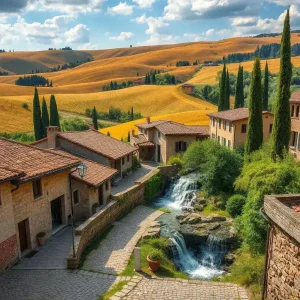
For those willing to venture beyond the well-trodden tourist trails, hyper-local travel offers the chance to discover destinations that are rich in culture but often overlooked. These off-the-beaten-path locations provide a sense of authenticity that is increasingly rare in popular tourist hubs. Whether it’s a remote village in the Andes, a forgotten coastal town in Portugal, or a vibrant neighborhood in Tokyo that tourists rarely visit, these places offer a glimpse into the real heart of a country.
Interactive historical tours in lesser-known cities, for instance, can reveal layers of history that are absent from guidebooks. Travelers might find themselves exploring ancient ruins with an archaeologist, or wandering through a historic district with a local who shares stories passed down through generations. These experiences are not just about seeing; they’re about feeling, understanding, and connecting.
As the world becomes more interconnected, the desire for authentic, meaningful travel experiences continues to grow. Hyper-local travel offers a way to explore the world that is both enriching and responsible, where every journey leaves a positive mark on the traveler and the destination alike. It’s a reminder that the most memorable adventures are not defined by the places we visit, but by the connections we make and the stories we bring home. The future of travel lies not in the quantity of experiences, but in the quality of the moments that truly transform us.