The Future of Interisland Travel: How Innovation is Bridging Distant Shores
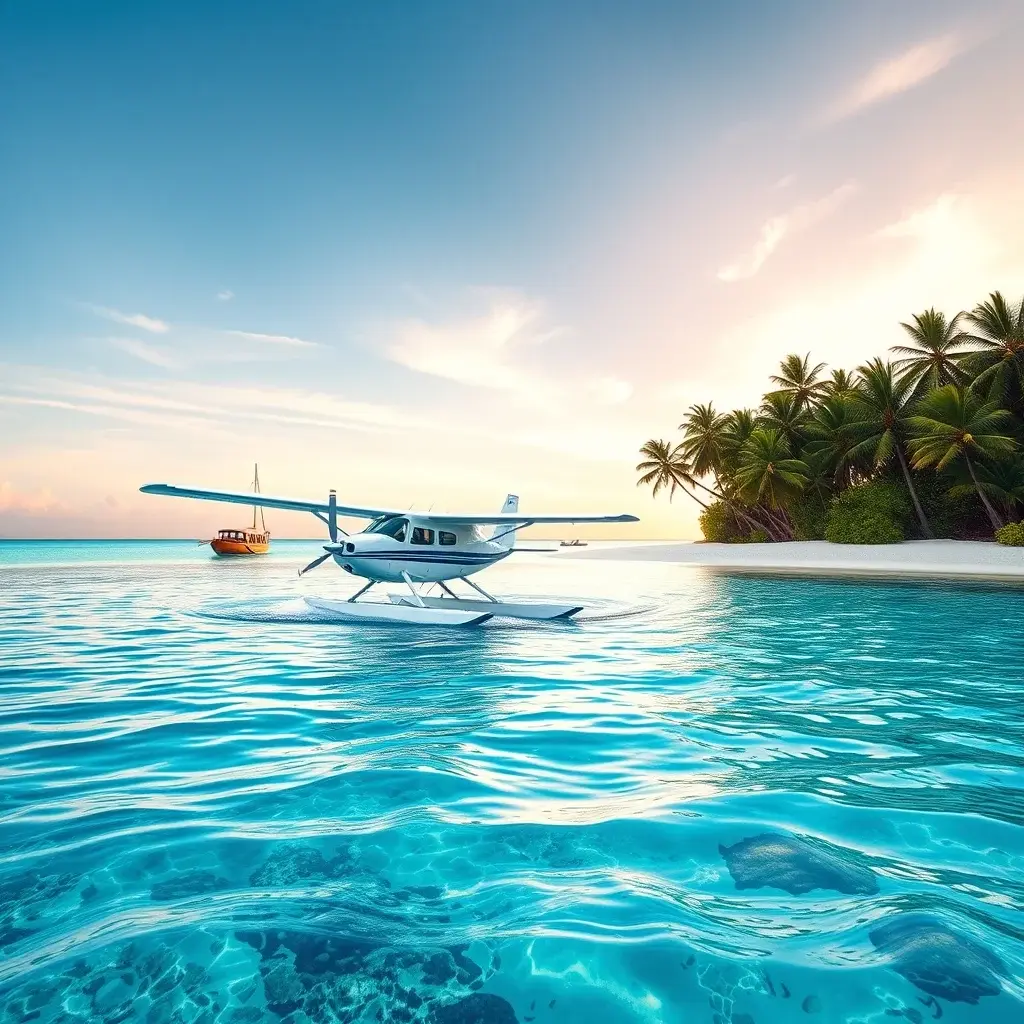
The gentle hum of propellers fades into the salty breeze as the seaplane touches down on the turquoise waters of a remote island. The door swings open, revealing a world where time moves slower, where the rhythm of life is dictated by the tides rather than the clock. Interisland travel has long been the lifeline of archipelagos, connecting communities, cultures, and economies in ways that feel almost magical. Yet, as the world evolves, so too does the way we traverse these scattered paradises—ushering in an era where innovation and tradition dance together on the horizon.
The Evolution of Island Hopping
Island hopping is more than just a travel trend; it’s a way of life for those who call archipelagos home. From the Greek Cyclades to the Indonesian Spice Islands, the act of moving between landmasses has shaped histories, trade routes, and even cuisines. In the past, interisland travel relied on sturdy wooden boats, wind-powered schooners, and the occasional unreliable ferry. Today, the options have expanded dramatically, blending the charm of old-world travel with the efficiency of modern technology.
Ferries remain a staple, offering an affordable and scenic way to traverse short distances. In places like Croatia’s Dalmatian Coast or Thailand’s Andaman Sea, these vessels are not just transport but an experience in themselves. Passengers lounge on sun-drenched decks, watching dolphins play in the wake, while the scent of grilled seafood wafts from the onboard café. Yet, for those seeking speed, hydrofoils and catamarans have revolutionized the journey, cutting travel times in half while maintaining a sense of adventure.
The Rise of Seaplanes and Small Aircraft
For islands separated by vast stretches of open water, seaplanes and small aircraft have become the ultimate game-changers. Companies like Tropic Ocean Airways in the Bahamas or Wings Air in Indonesia offer travelers the chance to skip the waves entirely, soaring above coral reefs and volcanic peaks in a matter of minutes. The experience is nothing short of exhilarating—takeoff from a glassy lagoon, a bird’s-eye view of untouched beaches, and a landing that feels like touching down on a postcard.
These services aren’t just for tourists, either. In remote regions like the Pacific Islands, seaplanes are a vital link for medical evacuations, mail delivery, and even school transport. They embody the spirit of interisland travel: fast, flexible, and deeply connected to the communities they serve. Yet, they also come with challenges—weather delays, limited capacity, and higher costs can make them inaccessible for some. Still, for those who can afford it, the trade-off is a level of convenience and wonder that few other modes of transport can match.
The Role of Budget Airlines in Connecting Archipelagos
While seaplanes offer a touch of luxury, budget airlines have democratized interisland travel, making it possible for more people to explore distant shores without breaking the bank. Carriers like AirAsia in Southeast Asia or Jetstar in the Pacific have turned once-isolated islands into accessible destinations, opening up new opportunities for tourism and trade. A flight from Manila to Palawan, once a lengthy ferry ride, can now be completed in under an hour for the price of a decent meal.
This shift has had a profound impact on local economies. Islands that were once overlooked are now bustling with visitors, from the white-sand beaches of the Maldives to the lush jungles of Fiji. Small businesses—guesthouses, dive shops, and local eateries—have flourished, creating jobs and preserving cultural heritage. Yet, the rapid growth of tourism also brings challenges, from environmental strain to the risk of over-commercialization. The key lies in balancing accessibility with sustainability, ensuring that the islands remain vibrant for generations to come.
The Promise of Sustainable Travel
As interisland travel continues to evolve, so too does the conversation around sustainability. The carbon footprint of flights and ferries is a growing concern, prompting innovators to explore greener alternatives. Electric seaplanes, like those being tested by companies such as Harbour Air in Canada, offer a glimpse into a future where travel doesn’t come at the planet’s expense. Solar-powered ferries and biofuel-powered boats are also gaining traction, proving that progress and preservation can go hand in hand.
Beyond technology, there’s a growing movement toward responsible tourism. Travelers are increasingly seeking out eco-friendly lodges, supporting local conservation efforts, and opting for slower, more mindful journeys. In places like the Galápagos Islands or the Seychelles, strict regulations ensure that tourism doesn’t disrupt fragile ecosystems. These models serve as a blueprint for other destinations, showing that interisland travel can be both transformative and sustainable.
The Human Connection: Stories from the Sea
At its heart, interisland travel is about more than just moving from one place to another—it’s about the stories, the people, and the shared experiences along the way. The fisherman who offers you a ride on his boat when the ferry is canceled. The grandmother who invites you into her home for a meal of freshly caught fish and coconut rice. The fellow traveler who becomes a lifelong friend over a shared sunset on the deck of a ferry.
These moments are the soul of interisland travel. They remind us that the journey is just as important as the destination, and that the connections we make along the way are what truly enrich our lives. Whether it’s the thrill of a seaplane landing on a remote atoll or the simple joy of watching the sun dip below the horizon from the deck of a ferry, interisland travel offers a unique blend of adventure, culture, and human connection.
As the world continues to change, so too will the way we explore these scattered paradises. Yet, no matter how advanced the technology or how efficient the transport, the essence of interisland travel will always lie in the stories we collect, the people we meet, and the memories we carry with us long after the journey ends. The islands may be separated by water, but the threads that connect them are woven from something far stronger—human curiosity, resilience, and the unshakable desire to explore what lies beyond the next horizon.