The Emerald Equation: How Eco-Friendly Glamping and Digital Nomad Hubs Are Redefining Sustainable Luxury

The morning sun spills like liquid gold over the undulating hills of Bali’s hinterlands, where the air hums with the quiet symphony of rustling bamboo and distant birdcalls. Here, nestled between emerald rice terraces and whispering palm groves, a new kind of sanctuary is taking root—one that marries the raw beauty of nature with the refined comforts of modern living. This is the world of eco-friendly glamping, where sustainability isn’t just a buzzword but a lived philosophy, and where every detail, from the solar-powered lanterns to the biodegradable toiletries, tells a story of mindful intention.
The Alchemy of Comfort and Conscience
Imagine waking up in a luxurious safari tent, its canvas walls breathing with the rhythm of the jungle, while the scent of frangipani drifts through the mesh windows. Outside, a private deck overlooks a infinity pool carved into the hillside, its waters reflecting the sky like a mirror. This is no ordinary retreat; it’s a testament to the art of regenerative tourism, where every element is designed to leave the lightest footprint possible. The structures are built from reclaimed teak and bamboo, sourced locally to support artisans and reduce carbon emissions. Rainwater is harvested and filtered, solar panels glint under the tropical sun, and even the food served at the on-site restaurant is grown in permaculture gardens just steps away.
But what truly sets these spaces apart is their ability to blur the lines between luxury and responsibility. Guests aren’t just passive observers; they’re invited to participate in the ecosystem. Morning yoga sessions on platforms suspended above the treetops, workshops on sustainable farming, and guided meditations in sacred groves—each experience is crafted to deepen the connection to the land and its people. It’s a far cry from the sterile, disconnected luxury of traditional resorts, where nature is often reduced to a backdrop rather than a living, breathing partner.
Where the Digital Nomad Meets the Wild
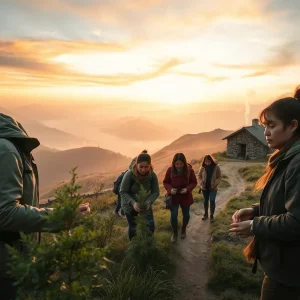
Yet, these sanctuaries aren’t just for those seeking escape. In an era where work and wanderlust increasingly intertwine, eco-friendly glamping sites are evolving into digital nomad hubs, offering high-speed internet, ergonomic workstations, and communal spaces designed to foster creativity and collaboration. Picture this: after a morning of brainstorming sessions in a bamboo pavilion, you take a break to hike through a hidden valley, where a cascading waterfall waits to cool your skin. Later, you return to your tent to find a locally sourced, plant-based dinner delivered to your door, the flavors a vibrant celebration of Bali’s rich culinary heritage.
These hubs are more than just places to work remotely; they’re incubators for a new way of living. The nomads who flock here aren’t just chasing Wi-Fi signals; they’re seeking a deeper sense of purpose, a way to align their professional lives with their values. Co-working spaces are designed with biophilic principles, incorporating natural light, indoor plants, and organic materials to enhance focus and well-being. Even the community events—from sunset sound baths to fireside storytelling sessions—are curated to inspire connection and creativity, proving that productivity and mindfulness aren’t mutually exclusive.
The Ripple Effect of Regenerative Choices
The impact of these spaces extends far beyond their immediate surroundings. By prioritizing sustainability, they’re setting a new standard for the travel industry, proving that luxury and eco-consciousness can coexist harmoniously. Local communities benefit too, as these retreats often partner with nearby villages for everything from guided tours to handmade crafts, ensuring that tourism dollars flow directly into the hands of those who call these places home. It’s a model of travel that doesn’t just take from the land but gives back, fostering a cycle of regeneration that leaves destinations richer than they were before.
Take, for example, the story of a small village in Ubud, where a glamping site helped revive traditional batik-making techniques by commissioning local artisans to create textiles for their tents. Or the coastal community in Uluwatu, where a digital nomad hub funded the restoration of coral reefs, turning a once-depleted marine ecosystem into a thriving underwater paradise. These aren’t isolated incidents; they’re the tangible outcomes of a travel philosophy that views every guest as a steward of the land, every stay as an opportunity to heal and restore.
The Future of Travel: A Tapestry of Threads
As the world grapples with the consequences of overtourism and environmental degradation, the rise of eco-friendly glamping and digital nomad hubs offers a glimpse into a more sustainable future. These spaces are redefining what it means to travel, shifting the focus from consumption to contribution, from isolation to community. They remind us that the most transformative journeys aren’t just about the places we visit but the relationships we cultivate—with the land, with its people, and with ourselves.
In the heart of Bali’s lush landscapes, where the air is thick with the scent of earth and salt, a quiet revolution is unfolding. It’s a revolution of intention, of connection, of choosing to tread lightly while living deeply. And as the sun sets over the rice fields, painting the sky in hues of amber and rose, it’s clear that this is more than just a trend. It’s the dawn of a new era, where every traveler has the power to leave the world a little greener, a little kinder, than they found it.