Cultural Immersion: How to Travel Like a Local, Not a Tourist
Traveling is more than just visiting landmarks and snapping photos—it’s about connecting with the heartbeat of a place. The difference between a tourist and a traveler often lies in the depth of their experience. While tourists may rush from one attraction to the next, travelers seek to understand the culture, traditions, and daily rhythms of the communities they visit. True cultural immersion transforms a trip into a journey of discovery, leaving lasting memories and a deeper appreciation for the world.
The Power of Slow Travel
One of the first steps to traveling like a local is embracing the concept of slow travel. Instead of cramming multiple cities into a short itinerary, spend more time in one place. This allows you to observe the nuances of daily life, from the morning routines of café-goers to the evening rituals of families strolling through parks. Slow travel fosters a sense of belonging, as you begin to recognize faces, learn the layout of neighborhoods, and even pick up on local slang or gestures.
Staying in one location for an extended period also opens doors to unexpected opportunities. You might stumble upon a neighborhood festival, get invited to a local’s home for dinner, or discover a hidden gem that isn’t in any guidebook. These unplanned moments often become the highlights of a trip, offering insights that no tour bus could ever provide.
Choosing Accommodations That Connect You to the Community
Where you stay plays a significant role in how you experience a destination. While hotels offer comfort and convenience, they often create a bubble that separates you from the local culture. Instead, consider alternatives like homestays, guesthouses, or even renting an apartment in a residential neighborhood. These options immerse you in the daily lives of locals, giving you a front-row seat to their customs, cuisine, and conversations.
Homestays, in particular, provide a unique opportunity to live with a local family. You’ll share meals, participate in household activities, and gain firsthand knowledge of traditions and values. Many homestay hosts are eager to share their culture and may even introduce you to their friends or take you to places off the beaten path. This level of interaction fosters meaningful connections and often leads to lifelong friendships.
Learning the Language: The Key to Unlocking Culture
Language is the gateway to culture. Even a basic understanding of the local language can transform your travel experience. It allows you to navigate markets, read signs, and engage in simple conversations with locals. More importantly, it shows respect for the culture and a willingness to step outside your comfort zone.
You don’t need to become fluent to make an impact. Start with common phrases like greetings, thank you, and please. Locals often appreciate the effort, even if your pronunciation isn’t perfect. Language learning apps, phrasebooks, and local classes can help you build confidence. If you’re staying in one place for a while, consider hiring a tutor or joining a language exchange group. These interactions not only improve your skills but also provide a deeper understanding of the culture’s nuances.
Beyond Words: Non-Verbal Communication
Communication isn’t just about words—it’s also about body language, gestures, and social norms. What might be a friendly gesture in one culture could be offensive in another. For example, the thumbs-up sign is positive in many Western countries but can be rude in parts of the Middle East. Observing how locals interact and mimicking their behavior can help you avoid misunderstandings and blend in more naturally.
Pay attention to how people greet each other, handle personal space, and express emotions. In some cultures, direct eye contact is a sign of confidence, while in others, it may be seen as confrontational. Being mindful of these subtleties can enhance your interactions and show locals that you respect their way of life.
Eating Like a Local: A Feast for the Senses
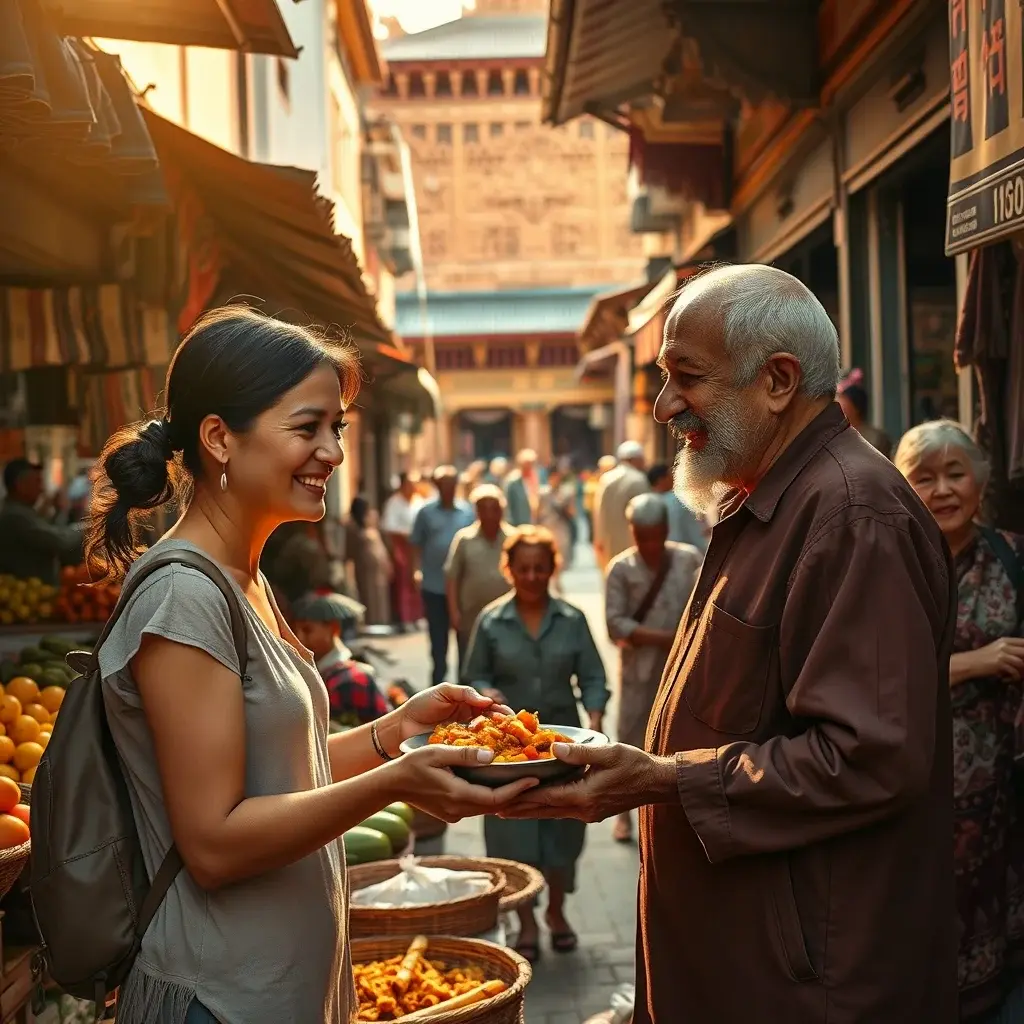
Food is one of the most delicious ways to experience a culture. While tourist restaurants often cater to international palates, local eateries offer authentic flavors and a glimpse into culinary traditions. Seek out street food stalls, family-run restaurants, and markets where locals gather. These places serve dishes that have been perfected over generations, often using ingredients and techniques unique to the region.
Don’t be afraid to try something new. Whether it’s a spicy curry in Thailand, a savory empanada in Argentina, or a hearty bowl of pho in Vietnam, each bite tells a story. If you’re unsure what to order, ask the vendor or your homestay host for recommendations. They’ll likely suggest their favorite dishes, giving you a taste of what the locals love.
The Art of Dining with Locals
Sharing a meal with locals is one of the most intimate ways to connect with a culture. In many countries, food is a communal experience, and dining together fosters bonds. If you’re staying with a host family, you’ll likely share meals with them. Otherwise, look for opportunities to join a cooking class, food tour, or community dinner. These experiences not only teach you about local cuisine but also provide a space to exchange stories and laughter.
In some cultures, there are specific etiquette rules around dining. For example, in Japan, it’s customary to say “itadakimasu” before eating and “gochisousama” after the meal. In India, eating with your hands is common, but only the right hand should be used. Observing and following these customs shows respect and enhances your cultural experience.
Participating in Local Traditions and Festivals
Every culture has its own traditions, rituals, and celebrations. Participating in these events is a powerful way to immerse yourself in the local way of life. Whether it’s a religious festival, a harvest celebration, or a national holiday, these gatherings offer a window into the values and history of a community.
Research local festivals before your trip and plan your visit around them. For example, if you’re traveling to Spain, experiencing the vibrant energy of La Tomatina or the solemn processions of Semana Santa can be unforgettable. In India, Diwali, the festival of lights, illuminates the country with fireworks, sweets, and decorations. These events are often deeply rooted in history and provide a sense of connection to the past.
If you can’t attend a major festival, look for smaller, everyday traditions. Visit a local temple, mosque, or church to observe religious practices. Attend a traditional dance or music performance. Even something as simple as joining a morning tai chi session in a Chinese park can offer insight into the local culture.
Supporting Local Economies and Sustainable Tourism
Traveling like a local also means supporting the communities you visit. Instead of shopping at international chains or touristy souvenir shops, seek out locally owned businesses. Buy handmade crafts from artisans, dine at family-run restaurants, and use public transportation or local tour guides. These choices not only enrich your experience but also ensure that your money benefits the people who call the destination home.
Sustainable tourism is another important aspect of cultural immersion. Respect the environment by minimizing your waste, conserving water, and following local guidelines for responsible travel. In some places, this might mean dressing modestly, avoiding single-use plastics, or refraining from touching sacred sites. By being mindful of your impact, you help preserve the culture and natural beauty of the destination for future travelers.
Traveling like a local is about more than just seeing a place—it’s about feeling it. It’s the warmth of a stranger’s smile, the aroma of street food wafting through the air, the rhythm of a language you’re beginning to understand. These moments of connection remind us that, despite our differences, we share a common humanity. The world is vast and diverse, but the desire to connect, learn, and grow is universal. When you travel with an open heart and a curious mind, every destination becomes a story waiting to be lived, not just visited.