Embracing the Slow Travel Movement: A Journey Through Sustainable and Transformative Experiences
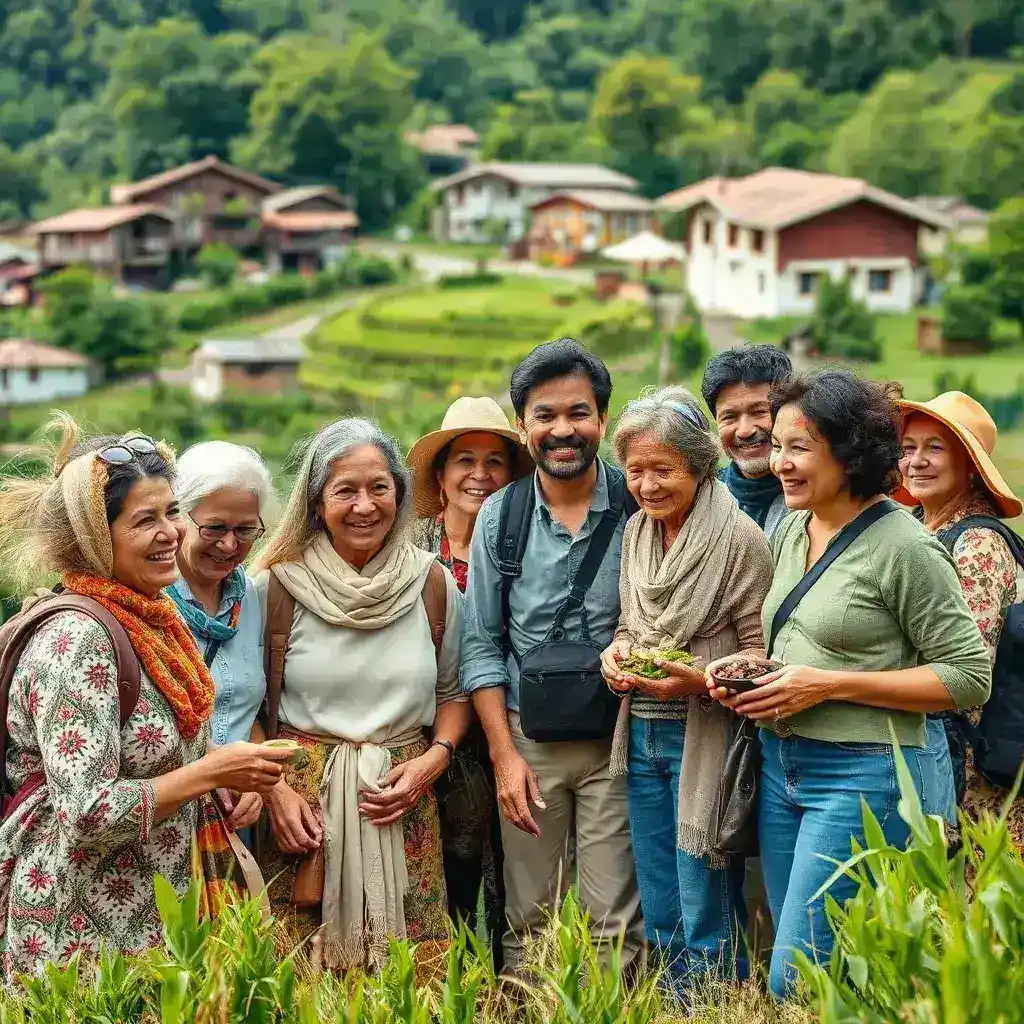
In an era dominated by fast-paced lifestyles and digital connectivity, the Slow Travel Movement has emerged as a beacon of hope for those seeking authentic, immersive, and sustainable travel experiences. This movement advocates for a shift from the traditional, rushed travel model to one that emphasizes mindfulness, cultural connection, and environmental stewardship. By embracing the principles of Slow Travel, travelers can embark on journeys that are not only enriching but also transformative, leaving a positive impact on both the destinations they visit and the communities they engage with.
Immersive Cultural Experiences
At the heart of the Slow Travel Movement lies the belief in the power of immersive cultural experiences. Unlike the typical tourist who rushes from one attraction to another, the Slow Traveler takes the time to truly engage with the local culture. This might involve participating in a traditional craft workshop, learning a local language, or simply spending an entire day exploring a local market and interacting with its vendors.
Heritage Interpretation Tours
Heritage interpretation tours are a fantastic way to delve into the rich cultural tapestry of a destination. These tours, often led by local guides, provide a deep understanding of the historical and cultural significance of various sites. They go beyond surface-level information, offering insights into the daily lives of the people who once inhabited these places. By participating in these tours, travelers can gain a new perspective and a deeper appreciation for the heritage of the destination.
Culinary Heritage Tours
Food is a universal language that transcends cultural barriers. Culinary heritage tours provide an excellent opportunity for travelers to explore the gastronomic traditions of a destination. These tours often involve cooking classes, food markets, and dining experiences that showcase the local cuisine. By engaging in these experiences, travelers can not only satisfy their culinary cravings but also learn about the cultural significance of the food they consume.
Sustainable Tourism Practices
The Slow Travel Movement is deeply rooted in the principles of sustainable tourism. This involves traveling in a way that minimizes the impact on the environment and the local communities. It’s about choosing accommodations that are eco-friendly, supporting local businesses, and participating in activities that promote conservation and community development.
Experiential Eco Tourism
Experiential eco tourism is a key component of sustainable tourism. This type of tourism focuses on providing travelers with authentic, immersive experiences that are deeply connected to the natural environment. It might involve activities such as wildlife conservation tourism, where travelers participate in activities that promote the conservation of local wildlife, or wellness-oriented travel, which focuses on the physical, mental, and emotional well-being of the traveler.
Community Led Tourism
Community led tourism is another important aspect of sustainable tourism. This involves collaborating with local communities to develop and promote tourism products and services. It’s about empowering local people, creating jobs, and ensuring that the benefits of tourism are shared equitably. By supporting community led tourism, travelers can contribute to the sustainable development of the destination and leave a positive impact on the local community.
Embracing the Slow Travel Movement is not just about changing the way we travel; it’s about embracing a new way of life. It’s about valuing the present moment, appreciating the beauty of the world around us, and leaving a positive impact on the places we visit. It’s about traveling with a purpose, whether that’s to learn, to heal, or to connect. In a world that often feels disconnected and rushed, the Slow Travel Movement offers a path to a more mindful, meaningful, and sustainable way of life.