Exploring the Blue Spaces: A Journey Through Sustainable Adventure Travel
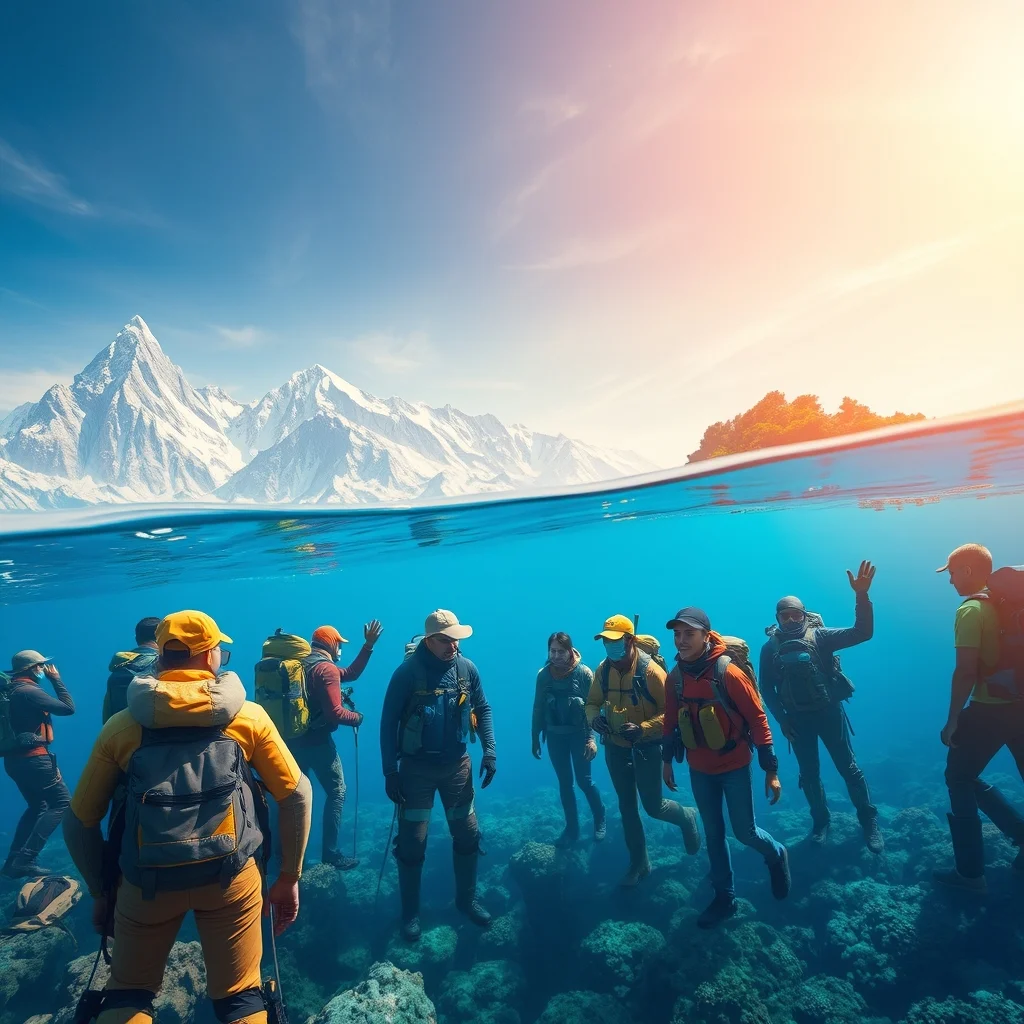
In an era where the call for sustainable living is louder than ever, adventure travel stands out as a beacon of hope. It’s not just about the thrill of the journey, but also about the responsibility to leave no trace behind. This article delves into the world of sustainable adventure travel, focusing on activities that allow us to explore the Earth’s blue spaces while preserving them for future generations.
Mountain Trekking and Alpine Climbing
Mountain trekking and alpine climbing are two of the most rewarding forms of adventure travel. They offer a unique opportunity to connect with nature, to challenge oneself, and to appreciate the beauty of the Earth’s highest peaks. However, they also come with a significant environmental impact. It’s crucial to choose eco-friendly routes, use sustainable gear, and follow Leave No Trace principles.
Sustainable Mountain Trekking
Sustainable mountain trekking involves choosing less crowded trails, minimizing campfire impact, and properly disposing of waste. It’s also about respecting local cultures and wildlife. For instance, in the Himalayas, trekkers can opt for the less touristy Everest Base Camp route, which has a lower environmental impact.
Alpine Climbing and Conservation
Alpine climbing, with its technical challenges and breathtaking views, is another form of adventure travel that can be made sustainable. Climbers can support conservation efforts by donating to organizations that protect alpine ecosystems, or by volunteering their time to clean up climbing areas.
Deep Sea Diving and Marine Conservation
Deep sea diving is a unique way to explore the Earth’s oceans, but it’s also a significant threat to marine life. Sustainable diving practices can help mitigate this impact. This includes choosing eco-certified dive operators, respecting marine life, and properly disposing of waste.
Coral Reef Snorkeling
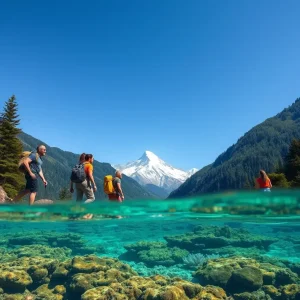
Coral reef snorkeling is a popular form of ocean cruising that allows divers to explore the vibrant underwater world. However, it’s also one of the most damaging activities for coral reefs. Sustainable practices include choosing eco-certified tour operators, respecting coral reefs, and properly disposing of waste.
Marine Conservation
Marine conservation is a crucial aspect of sustainable adventure travel. It involves supporting organizations that protect marine ecosystems, reducing plastic use, and properly disposing of waste. For instance, the Marine Conservation Institute offers a variety of programs and resources to help individuals and communities protect the ocean.
Island Hopping and Coastal Exploration
Island hopping and coastal exploration offer a unique way to experience the Earth’s diverse ecosystems. However, they also come with a significant environmental impact. Sustainable practices include choosing eco-friendly tours, respecting local cultures, and properly disposing of waste.
Tropical Beaches and Coral Reefs
Tropical beaches and coral reefs are some of the most beautiful destinations for island hopping and coastal exploration. However, they’re also some of the most vulnerable to environmental damage. Sustainable practices include choosing eco-friendly resorts, respecting marine life, and properly disposing of waste.
Rock Climbing and Nautical Travel
Rock climbing and nautical travel offer unique ways to explore the Earth’s landscapes and oceans. However, they also come with a significant environmental impact. Sustainable practices include choosing eco-friendly climbing gyms and boat tours, respecting local cultures, and properly disposing of waste.
In conclusion, sustainable adventure travel offers a unique way to explore the Earth’s blue spaces while preserving them for future generations. It’s about more than just the thrill of the journey; it’s about the responsibility to leave a positive impact on the planet. By choosing eco-friendly activities, respecting local cultures, and properly disposing of waste, we can ensure that our adventures leave the Earth in a better state than we found it.