The Soul of the Living Canvas: How Interactive Historical Tours and Community-Led Storytelling Are Painting the Future of Regenerative Travel
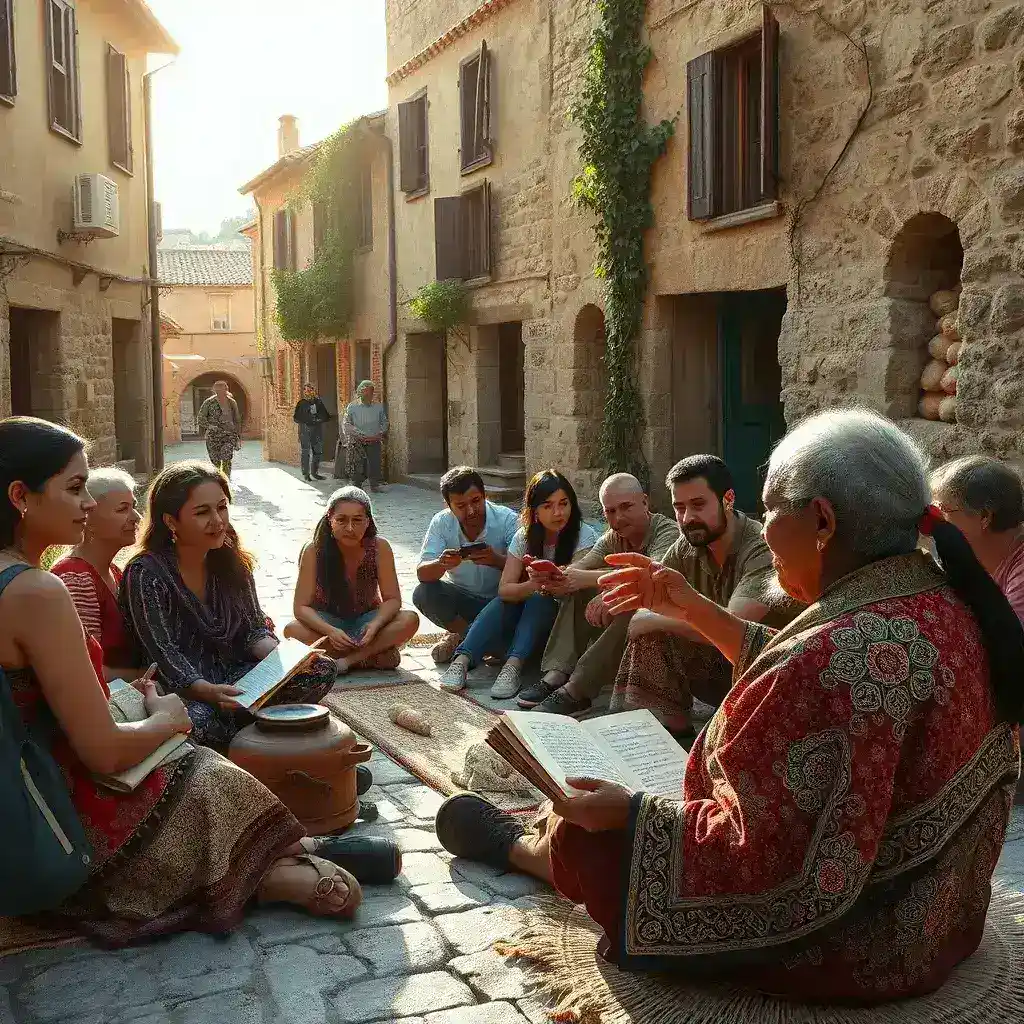
The first light of dawn spills over cobblestone streets, where the air hums with whispers of a thousand untold stories. Here, in the heart of a village untouched by the relentless march of modernity, the past isn’t just remembered—it’s lived. The scent of woodsmoke curls from chimneys, mingling with the earthy aroma of damp stone, while the rhythmic clatter of a loom or the distant chime of a blacksmith’s hammer echoes like a heartbeat. This is where history breathes, where every corner, every weathered face, every half-forgotten legend is a brushstroke on a living canvas. And it is here that regenerative travel finds its most vibrant expression: through interactive historical tours and community-led storytelling, where the act of exploration becomes an act of creation.
The Alchemy of Participation
Traditional tours often feel like passive spectating—gliding past monuments, snapping photos through bus windows, listening to a guide recite facts like a well-rehearsed script. But regenerative travel demands more. It thrives on participation, on the electric charge of connection that comes when you’re not just observing history but shaping its retelling. Imagine stepping into the shoes of a medieval scribe, your fingers trembling as you dip a quill into ink, transcribing a passage from an ancient manuscript under the watchful eye of a local historian. Or kneading dough in a centuries-old bakery, where the recipe has been passed down through generations, each fold of the dough a silent conversation with the past. These are not performances; they are rituals of remembrance, where the line between traveler and storyteller blurs into something sacred.
In the Andean highlands, communities are reviving the art of ayllu—a pre-Incan system of collective labor and storytelling—by inviting visitors to join in the planting of native crops or the weaving of intricate textiles. Each thread pulled through the loom is a thread pulled through time, a tangible link to ancestors who once worked the same land, sang the same songs. The act of creation becomes an act of reverence, and the traveler leaves not just with a souvenir, but with a piece of living history woven into their very being.
The Power of the Unscripted Narrative
What makes community-led storytelling so transformative is its refusal to be confined by the rigid boundaries of textbooks or curated exhibits. These are stories told in the vernacular of the land—by the fisherman who recounts the legend of the river spirit while mending his nets, by the grandmother who shares the secret of her grandmother’s spice blend as she stirs a simmering pot, by the children who giggle as they reenact a local folktale under the shade of an ancient tree. There is no script, no sanitized version of events. There is only the raw, unfiltered truth of lived experience, passed down like a torch from one generation to the next.
In the remote villages of Rajasthan, the Bhopa—traditional storytellers and musicians—have become the unlikely guardians of regenerative travel. Clad in vibrant turbans, they strum their ravanhatha instruments and sing epic ballads of love, war, and divine intervention, their voices rising and falling like the desert winds. Travelers are not mere spectators; they are invited to sit in a circle, to ask questions, to share their own stories in return. The exchange is reciprocal, a dance of give-and-take that leaves both storyteller and listener forever changed. The Bhopa don’t just preserve history—they invite you to become a part of it.
When the Past Becomes a Living Entity
The most profound moments in regenerative travel occur when history stops being a distant, abstract concept and starts breathing around you. In the mist-shrouded hills of Transylvania, villagers don’t just tell you about the medieval Saxon settlers—they take you to the very houses where their descendants still live, where the original timber beams creak underfoot and the hearth still crackles with the same fire that warmed generations before. You don’t just see the past; you feel it in the weight of a hand-forged key, in the taste of a dish prepared with heirloom recipes, in the hush of a church where the same hymns have been sung for centuries.
This is the essence of heritage interpretation done right—not as a lecture, but as an immersion. In Japan, the art of kintsugi—the repairing of broken pottery with gold—serves as a metaphor for how we should approach history. The cracks aren’t hidden; they’re celebrated, illuminated, transformed into something even more beautiful. Interactive historical tours do the same. They take the fragments of the past and piece them together, not with cold, clinical precision, but with the warmth of human connection, the gold of shared experience.
The Ripple Effect of Regenerative Storytelling
The magic of these experiences doesn’t end when the tour does. When a traveler leaves a place, they carry more than just memories—they carry stories, and stories have a way of spreading like wildfire. The woman who learned to weave in Guatemala might return home and start a textile cooperative, preserving her own cultural heritage while honoring the traditions she encountered. The man who participated in a traditional Japanese tea ceremony might begin hosting his own gatherings, passing on the rituals of mindfulness he absorbed. The child who listened to a Bhopa’s tale might grow up to become a storyteller themselves, ensuring that the oral traditions of Rajasthan continue to thrive.
This is the regenerative power of interactive historical tours and community-led storytelling: they don’t just preserve the past—they propel it into the future. They turn travelers into custodians, into ambassadors of the cultures they’ve touched. And in a world where so much of our shared history is at risk of being lost to time, that is nothing short of revolutionary.
The Stories That Choose Us
There’s a moment in every transformative journey when you realize that you haven’t just found a story—it has found you. Perhaps it’s the way the light slants through the windows of a centuries-old library, illuminating the dust motes like tiny stars, or the way a stranger’s voice cracks with emotion as they recount a tale of resilience passed down through their family. In that instant, the past isn’t something you observe; it’s something you inhabit. It becomes a part of your own narrative, a thread woven into the fabric of who you are.
Regenerative travel isn’t about ticking off destinations or collecting passport stamps. It’s about allowing yourself to be claimed by the stories of the places you visit, about letting them seep into your bones and change you from the inside out. It’s about understanding that every cobblestone, every recipe, every song is a living entity, waiting to be awakened by the touch of a curious soul. And when we approach travel with that kind of reverence, we don’t just explore the world—we help keep it alive.
The next time you find yourself standing at the crossroads of history and modernity, pause for a moment. Listen. The past isn’t silent—it’s whispering, waiting for you to lean in and add your voice to the chorus. All you have to do is answer the call.