The Soul of the Unseen Harvest: How Culinary Heritage Tours and Regenerative Farming Are Crafting the Future of Transformative Travel
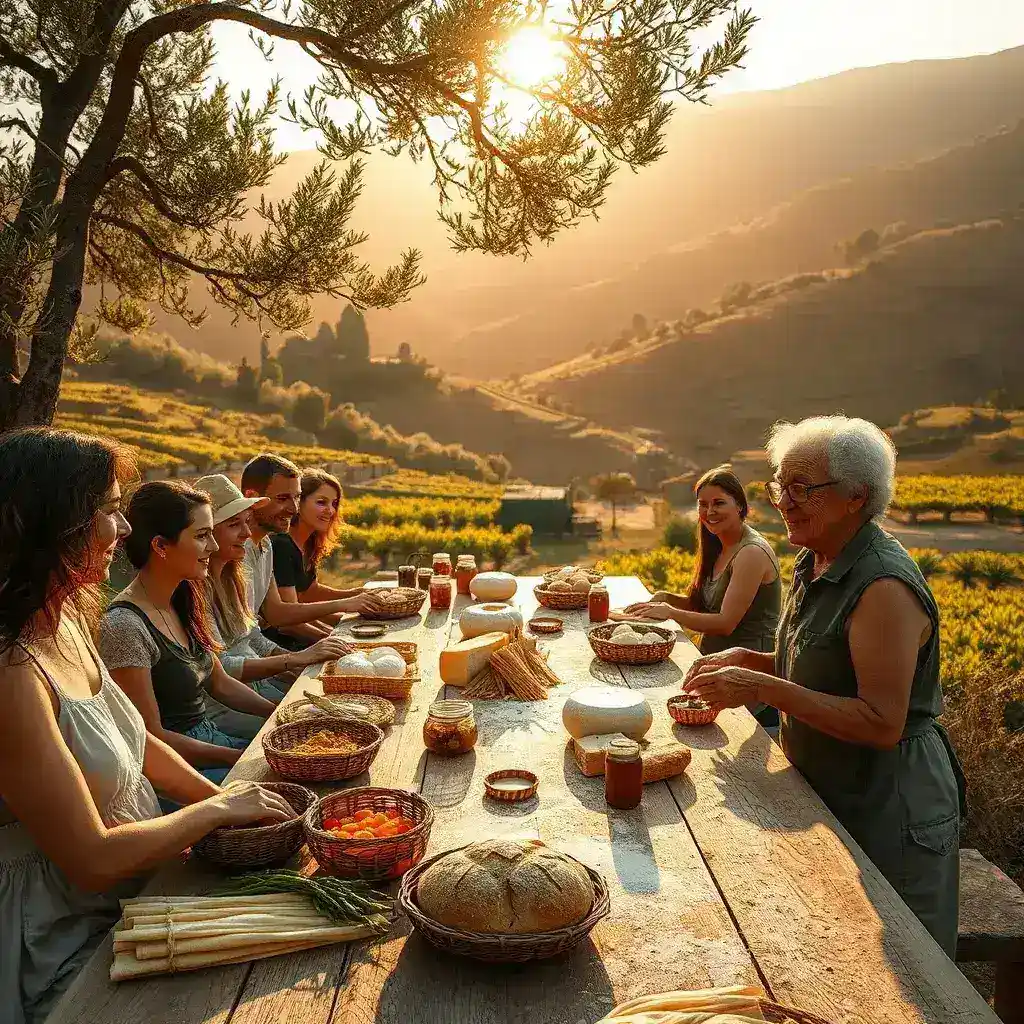
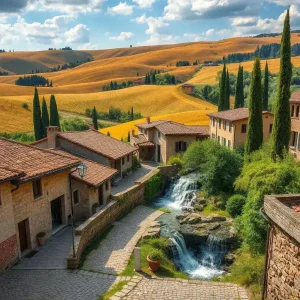
The first light of dawn spills over the terraced hills, painting the landscape in hues of gold and amber, as the scent of damp earth and fresh basil rises from the soil. Here, in the heart of a forgotten valley, the rhythm of life moves not to the ticking of a clock, but to the ancient pulse of the land. This is where the soul of travel is not just discovered—it is tasted, felt, and carried home in the memory of flavors that tell stories older than time itself. Welcome to the world of culinary heritage tours, where every meal is a chapter, every ingredient a character, and the act of eating becomes a transformative journey into the heart of a culture.
The Alchemy of Ingredients: Where Food Becomes Story
There is something almost magical about the way a single bite can transport you across oceans and through centuries. The tang of fermented kimchi in a Seoul alleyway, the smoky depth of a slow-cooked tagine in the Atlas Mountains, the bright, citrusy zing of a freshly plucked lime in a Mexican *milpa*—these are not just flavors. They are the echoes of generations who tilled the soil, preserved traditions, and passed down recipes like sacred texts. Culinary heritage tours are not merely about eating; they are about listening to the land and the people who have shaped it. They invite travelers to step into the kitchens of grandmothers, the workshops of artisanal cheesemakers, and the fields of regenerative farmers, where every dish is a living archive of resilience, adaptation, and love.
Take, for instance, the olive groves of Puglia, where gnarled trees stand as silent sentinels to centuries of harvests. Here, visitors don’t just sample extra virgin olive oil—they walk among the ancient groves, learning how the soil’s mineral content shapes the oil’s peppery bite, how the timing of the harvest determines its fruity notes, and how the pressing process has remained unchanged for millennia. It’s a lesson in geography, history, and chemistry, all served on a crust of freshly baked *friselle*. This is experiential eco-tourism at its most visceral: a journey that nourishes the body while feeding the soul’s hunger for connection.
Regenerative Farming: The Soil as a Living Classroom
At the heart of these culinary journeys lies a quiet revolution: regenerative farming. Unlike conventional agriculture, which often depletes the land, regenerative practices work in harmony with nature, rebuilding soil health, sequestering carbon, and fostering biodiversity. For travelers, this is not just a farming technique—it’s a philosophy of travel that leaves places better than it found them. Imagine kneeling in a permaculture garden in Costa Rica, your hands buried in rich, dark soil as a farmer explains how compost tea and cover crops have transformed degraded land into a thriving ecosystem. Or picture yourself in the rice paddies of Bali, where the *subak* irrigation system—a UNESCO-recognized marvel—has sustained communities for over a thousand years through principles of cooperation and balance.
These experiences are a form of adventure-based learning, where the classroom is the earth itself. Travelers don’t just observe; they participate. They plant seeds, harvest crops, and learn the delicate art of fermentation from masters who have honed their craft over decades. In the process, they gain more than skills—they develop a deep, almost spiritual appreciation for the interconnectedness of all things. The food on their plates is no longer just sustenance; it’s a testament to the land’s generosity and the farmer’s stewardship. This is the essence of transformative travel: a shift in perspective that lingers long after the journey ends.
The Slow Food Movement: A Rebellion Against Forgetting
In a world of drive-thru dinners and 30-minute meal kits, the slow food movement is a radical act of defiance. It’s a call to savor, to remember, and to resist the erasure of culinary traditions in the name of convenience. Culinary heritage tours are the frontlines of this movement, offering travelers a chance to slow down and engage with food in a way that honors its origins. In Italy, this might mean spending an afternoon with a *norcino*, a traditional pork butcher, learning the art of curing *prosciutto* in the same way it’s been done since the Middle Ages. In Japan, it could involve a masterclass in *washoku*, where the preparation of a single bowl of miso soup becomes a meditation on seasonality and respect.
These experiences are not just about the food—they’re about the people behind it. The farmers, the fishermen, the bakers, and the home cooks who keep these traditions alive despite the relentless march of globalization. When travelers sit at their tables, they’re not just guests; they’re witnesses to a way of life that refuses to be commodified. This is community-led tourism at its most authentic, where the exchange of knowledge and stories is as valuable as the currency that changes hands. It’s a reminder that travel, at its best, is not about consumption—it’s about connection.
The Ripple Effect: How Your Plate Can Change the World
Every choice we make as travelers sends ripples into the world. When we opt for a farm-to-table meal over a fast-food chain, when we buy spices from a cooperative of small-scale farmers instead of a supermarket, when we choose a homestay over a sterile hotel room, we’re voting with our forks and our wallets. Culinary heritage tours amplify this impact by creating economic opportunities for communities that have often been sidelined by mass tourism. In Oaxaca, Mexico, for example, a single visit to a family-run *mole* workshop can sustain a household for months, allowing children to stay in school and elders to preserve their recipes. In Kerala, India, spice tours fund organic farming initiatives that protect the region’s delicate ecosystems from the ravages of industrial agriculture.
But the ripple effect goes deeper than economics. When travelers return home with stories of the people they’ve met and the flavors they’ve tasted, they become ambassadors for a new way of exploring the world. They start seeking out farmers’ markets, joining community-supported agriculture (CSA) programs, and advocating for policies that support small-scale producers. They begin to see their own kitchens as extensions of the global table, where every meal is an opportunity to honor the hands that grew, harvested, and prepared it. This is the true power of culinary heritage tours: they don’t just change how we travel—they change how we live.
The Table as a Bridge: Where Strangers Become Family
There is no force more powerful than the act of breaking bread together. In a world that often feels divided, the shared table is a place where barriers dissolve and strangers become kin. Culinary heritage tours harness this magic, turning meals into bridges that span cultures, languages, and lifetimes. Picture yourself in a Moroccan *riad*, where the air is thick with the scent of cumin and cinnamon, and the host has spent hours preparing a feast of *tagines* and *bastilla*. As you pass around plates of steaming couscous, the conversation flows effortlessly, transcending words. Laughter becomes the universal language, and the act of eating together becomes a silent pact: we are all connected, and this meal is our proof.
These moments of connection are the heart of authentic local interaction. They remind us that travel is not about ticking off bucket-list items or collecting Instagram likes—it’s about the quiet, unscripted encounters that leave us forever changed. The elderly woman in Sicily who teaches you to make *cannoli* from scratch, the fisherman in Vietnam who invites you to share a bowl of *pho* at his roadside stall, the farmer in Peru who offers you a cup of *chicha morada* made from purple corn grown on his ancestral land—these are the people who turn a trip into a story worth telling. Their generosity is not just hospitality; it’s an invitation to see the world through their eyes, to carry a piece of their home in your heart long after you’ve said goodbye.
As the sun dips below the horizon, casting long shadows over the fields where the day’s harvest was gathered, you realize that the true essence of travel was never about the places you visited, but the hands you held, the stories you heard, and the flavors that lingered on your tongue like a promise. The world is not a map to be conquered, but a table to be shared—and every meal is an opportunity to sit down, listen, and remember what it means to be human.