The Unseen Currents: Where Ocean Cruising and Mountain Trails Reveal the Earth’s Hidden Pulse
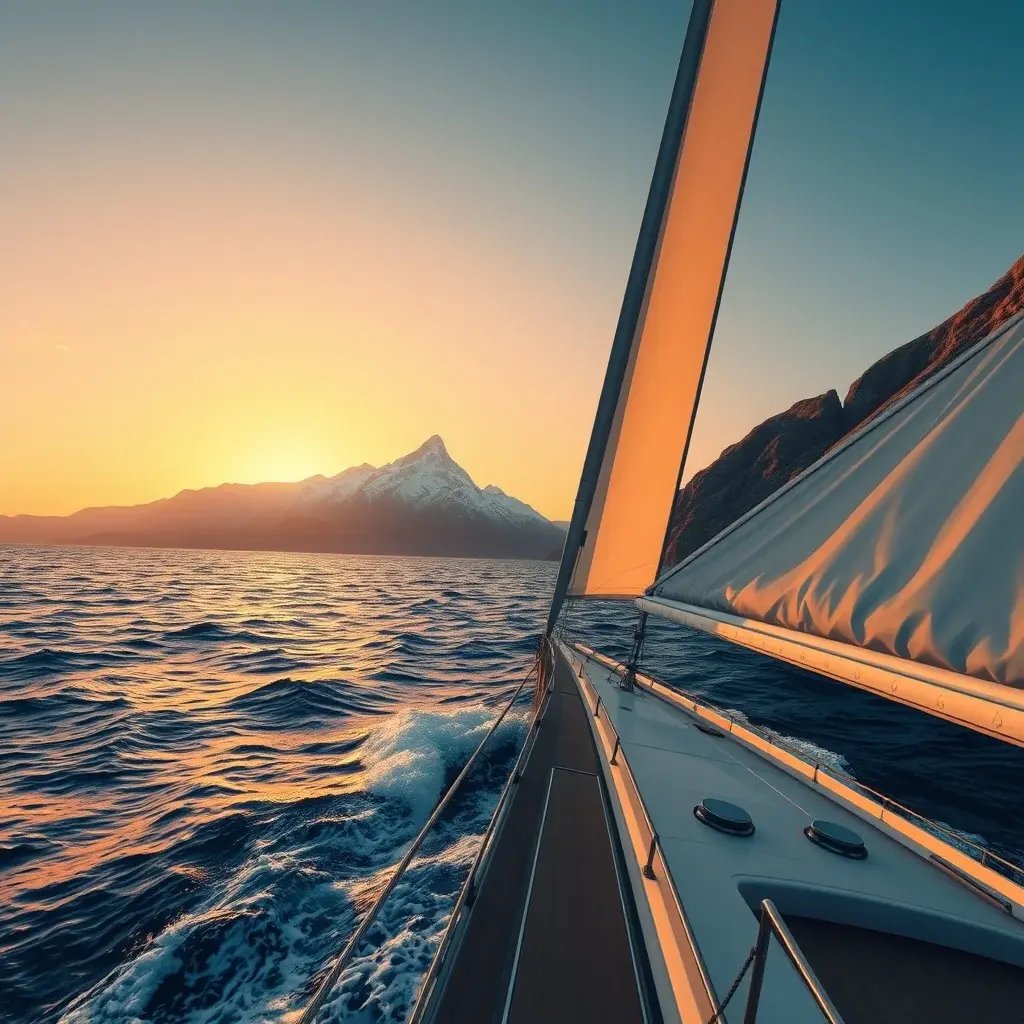
The wind carries secrets as it howls through the rigging of a sailboat, whispering tales of distant shores and untouched horizons. There’s a rhythm to the ocean, an ancient pulse that syncs with the rise and fall of the tides, a heartbeat that echoes the very essence of the planet. But what if I told you that this rhythm isn’t confined to the water? That the same primal force courses through the veins of towering peaks, through the jagged edges of alpine cliffs, and even in the quiet, determined steps of a hiker tracing a mountain trail? The earth’s hidden pulse is a symphony of salt and stone, a dance between the liquid expanse of the sea and the solid majesty of the mountains, and those who dare to listen will find their souls forever changed.
The Call of the Blue Horizon
There’s something about the open ocean that strips away the noise of modern life, leaving only the raw, unfiltered essence of existence. Ocean cruising isn’t just about the destination—it’s about the journey, the slow unfurling of the world as land recedes and the horizon stretches endlessly in every direction. The boat becomes a floating sanctuary, a place where time bends and the only compass is the wind. But this isn’t just a passive experience; it’s an active dialogue with the elements. The creak of the hull, the snap of the sails, the taste of salt on your lips—every sensation is a reminder that you are alive, that you are part of something vast and untamed.
And yet, the ocean is more than just a backdrop for adventure. It’s a living, breathing entity, a force that shapes the very contours of our planet. The same currents that carry sailors across the globe also carve the coastlines, erode the cliffs, and feed the rivers that snake their way through mountain valleys. To cruise the ocean is to witness the earth’s alchemy in action, to see how water and wind conspire to create landscapes of breathtaking beauty. It’s a humbling experience, one that reminds us of our place in the grand scheme of things—not as conquerors, but as temporary guests in a world far older and wiser than we are.
The Silent Majesty of the Peaks
If the ocean is the earth’s heartbeat, then the mountains are its bones—unyielding, eternal, and unapologetically wild. There’s a reason why mountaineers speak of the peaks with reverence, why they return to them again and again, as if drawn by some invisible thread. It’s not just the challenge of the climb, the thrill of the ascent, or the triumph of reaching the summit. It’s the way the mountains strip away the layers of civilization, leaving only the raw, unfiltered truth of who you are. Up there, above the tree line, where the air is thin and the wind bites at your skin, you are forced to confront your own limits, your fears, your strengths. And in that confrontation, something shifts. You realize that the mountain isn’t just a obstacle to be overcome—it’s a teacher, a mirror, a silent witness to the unfolding of your soul.
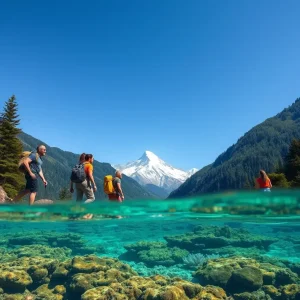
But the mountains, too, are part of a larger story. They are the result of tectonic forces that have shaped the earth over millions of years, the same forces that created the ocean basins and the deep trenches where sunlight never reaches. The trails that wind their way up the slopes are carved by the same water that fills the rivers and feeds the seas. To hike a mountain is to walk in the footsteps of time itself, to trace the contours of a landscape that has been millions of years in the making. And when you stand on the summit, gazing out at the world below, you can’t help but feel a sense of connection—to the earth, to the sky, to the endless cycle of creation and destruction that defines our planet.
The Thread That Binds
So what is it that connects these two seemingly disparate worlds—the liquid expanse of the ocean and the solid majesty of the mountains? It’s the same force that drives the tides, that carves the canyons, that shapes the very fabric of our planet: movement. The ocean is never still, its currents a ceaseless dance of energy and life. The mountains, too, are in constant motion, though their movements are measured in geological time rather than human lifetimes. Together, they form a dynamic, ever-changing landscape, a testament to the earth’s restless spirit.
But there’s something else, too—something deeper, more intangible. It’s the way both the ocean and the mountains demand our respect, our humility, our willingness to surrender to something greater than ourselves. Whether you’re standing on the deck of a sailboat, watching the sun dip below the horizon, or perched on a rocky outcrop, gazing out at a sea of peaks stretching into the distance, you can’t help but feel a sense of awe. It’s the same awe that our ancestors felt when they first looked up at the stars, the same awe that drives us to explore, to seek out the unknown, to push the boundaries of what we think is possible.
The Unseen Currents of the Soul
Perhaps that’s why the call of the wild is so irresistible. It’s not just about the thrill of adventure, the rush of adrenaline, or the satisfaction of reaching a goal. It’s about the way these experiences change us, the way they strip away the layers of noise and distraction that clutter our lives and leave us with something raw and real. The ocean and the mountains are more than just physical landscapes—they are mirrors of the soul, reflecting back to us the parts of ourselves that we often keep hidden. They remind us that we are capable of more than we think, that we are stronger, braver, and more resilient than we ever imagined.
And so, the next time you find yourself standing on the deck of a boat, watching the waves roll endlessly toward the horizon, or breathing in the thin, crisp air of a mountain summit, take a moment to listen. Not just with your ears, but with your heart. Because the earth’s hidden pulse is there, in the unseen currents that connect the ocean to the peaks, the salt to the stone, the wild to the soul. And if you listen closely enough, you’ll hear it calling you home.