The Golden Hush: Where Bali’s Hidden Waterfalls and Sustainable Sanctuaries Whisper the Future of Regenerative Travel
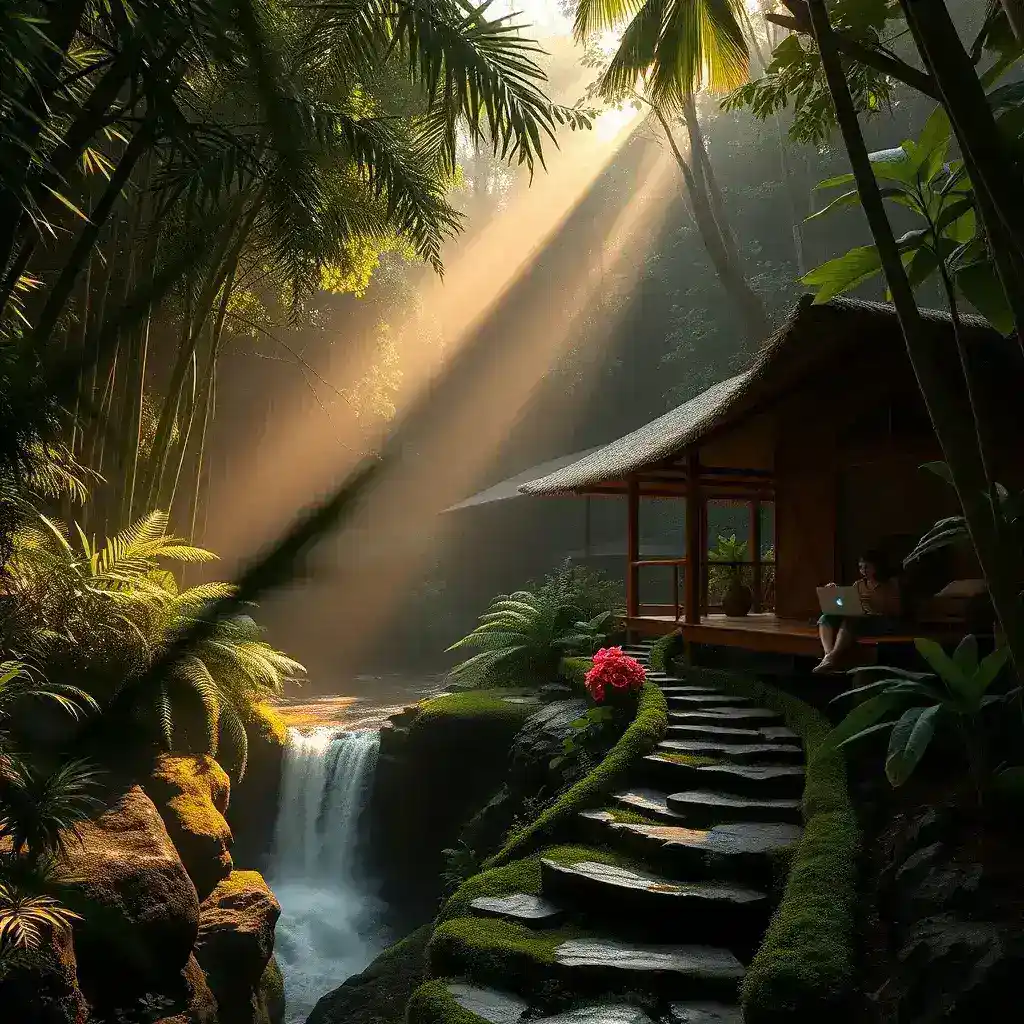
The first light of dawn spills over the emerald ridges of Bali like liquid gold, painting the mist that clings to the jungle canopy in hues of amber and rose. Somewhere deep within the folds of the island’s ancient valleys, a hidden waterfall roars—a primal symphony of water crashing against volcanic rock, its spray catching the sunlight in a thousand fleeting rainbows. This is not just a place; it is a revelation. A sanctuary where the earth breathes, and travelers, weary of the world’s relentless pace, come to remember what it means to be alive. Here, in the heart of Bali’s untouched wilds, regenerative travel is not a trend but a sacred covenant between wanderer and land.
The Alchemy of Hidden Waterfalls
There is something almost mystical about standing beneath a waterfall that few have witnessed. The air hums with the energy of the earth, the water a living entity that has carved its path through millennia of stone. In Bali, these hidden cascades are more than just natural wonders; they are portals to a deeper understanding of the island’s soul. Take, for instance, the secluded Nungnung Waterfall, where the descent through terraced rice fields feels like stepping into a living painting. The journey itself is a meditation—each step a reminder of the delicate balance between human hands and nature’s grandeur. Or Sekumpul, often hailed as Bali’s most beautiful waterfall, where the water plunges from a cliffside shrouded in mist, its thunderous roar echoing through the valley like a call to awakening.
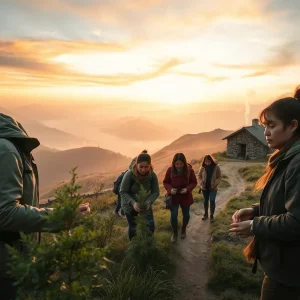
These are not mere tourist stops; they are experiences that demand reverence. Local guides, often descendants of the land they steward, lead travelers along secret trails, sharing stories of the spirits that dwell in the rocks and the rituals that honor the water. The act of visiting these waterfalls becomes a form of cultural immersion, a dance between guest and host that leaves both transformed. The water does not just cleanse the body; it washes away the noise of modernity, leaving only clarity and connection.
The Rise of Eco-Luxury Glamping: Where Comfort Meets Consciousness
Imagine waking to the sound of leaves rustling in the breeze, the scent of frangipani drifting through the air, and the knowledge that your presence here is not just harmless but healing. This is the promise of eco-friendly glamping in Bali—a movement that marries the indulgence of luxury with the ethics of sustainability. These are not the flimsy tents of old but sanctuaries woven into the landscape, designed to leave no trace while offering every comfort the modern traveler craves.
Nestled in the highlands near Munduk, glamping sites like Munduk Moding Plantation redefine what it means to retreat. Here, bamboo and reclaimed teak structures blend seamlessly with the surrounding jungle, their roofs thatched with alang-alang grass, a material as ancient as the island itself. Solar panels power the site, rainwater is harvested and filtered, and every detail—from the organic cotton linens to the locally sourced meals—speaks of a commitment to the land. Yet, for all its eco-consciousness, the experience is undeniably luxurious. Private plunge pools overlook misty valleys, outdoor showers are fed by natural springs, and the silence is so profound it feels like a physical presence.
This is glamping as a form of regenerative tourism. The revenue generated by these sanctuaries funds reforestation projects, supports local farmers, and provides education for nearby communities. Guests are not just visitors; they are participants in a cycle of renewal, their stay a thread in the tapestry of Bali’s sustainable future.
The Digital Nomad’s Jungle Oasis
For the modern wanderer, the line between work and wanderlust has blurred into something beautiful—a tropical workation where productivity and paradise coexist. Bali has long been a magnet for digital nomads, but the next evolution of this lifestyle is not found in crowded co-working spaces or beachfront cafes. Instead, it thrives in the heart of the jungle, where the Wi-Fi is strong, but the distractions of the outside world fade into the background.
In Ubud’s emerald embrace, sanctuaries like The Slow and Zest Ubud are pioneering this new way of living. These are not just places to plug in a laptop; they are holistic hubs where wellness and work intertwine. Picture this: a morning yoga session on a deck suspended above the treetops, followed by a few hours of focused work in a bamboo pavilion cooled by mountain breezes. Lunch is a feast of plant-based dishes, grown in the resort’s own permaculture garden. Afternoon breaks are spent exploring hidden trails or soaking in a natural stone bath, the scent of lemongrass and ginger rising with the steam.
The key to this lifestyle is mindful travel—a recognition that productivity flourishes when the mind is at ease, and the body is nourished. These jungle oases are designed to foster creativity, not just output. The result? A new breed of nomad, one who seeks not just a change of scenery but a transformation of spirit.
Heritage Homestays: The Soul of Regenerative Travel
There is no better way to understand a place than to live as its people do. In Bali, heritage homestays offer travelers the chance to step into the rhythm of daily life, to learn the stories etched into the walls of family compounds and the hands that tend the rice fields. These are not sterile hotel rooms but living, breathing homes where guests are welcomed as family.
In the village of Penglipuran, one of Bali’s most traditional communities, homestays like Bali Asli invite visitors to participate in ancient rituals, from offering ceremonies to the preparation of traditional meals. The architecture itself is a lesson in sustainability—bamboo and stone structures built without nails, designed to last generations. The food is grown in the family’s garden, the water sourced from natural springs, and the waste composted to nourish the soil. Every aspect of the stay is a testament to the Balinese philosophy of Tri Hita Karana, the harmony between humans, nature, and the divine.
Staying in a heritage homestay is not just about comfort; it is about connection. It is about sitting cross-legged on the floor, sharing stories with your host over cups of sweet, spiced coffee. It is about waking before dawn to the sound of gamelan music drifting from the village temple, the air thick with the scent of incense and frangipani. It is about leaving not just with photographs but with a piece of the island’s soul woven into your own.
The Future is Regenerative
Bali is more than a destination; it is a living laboratory for the future of travel. Here, every experience—whether it is the thunderous embrace of a hidden waterfall, the quiet luxury of an eco-glamping site, the mindful productivity of a jungle workation, or the deep cultural immersion of a heritage homestay—is a step toward a more regenerative world. This is not about escaping reality but about redefining it. It is about recognizing that travel can be a force for good, a way to heal both the land and the traveler.
The island’s hidden sanctuaries do not just offer respite; they offer a vision. A vision where tourism is not a burden but a blessing, where every journey leaves the world a little better than it was found. And as the mist rises over the valleys, carrying with it the scent of earth and salt and possibility, it is clear that Bali is not just showing us the way forward. It is inviting us to walk it, one mindful step at a time.