The Call of the Wild Peaks: A Mountaineer’s Love Letter to High-Altitude Adventures
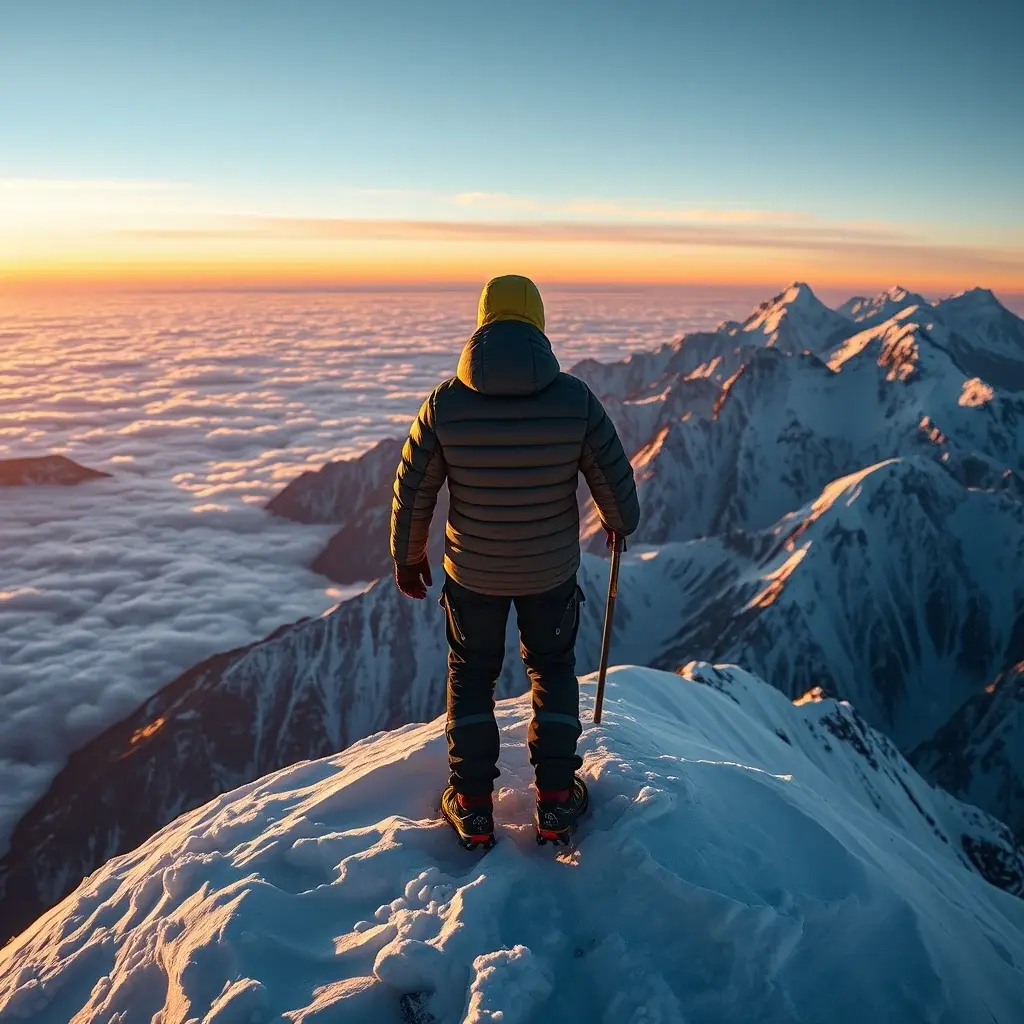
The first time I stood at the base of a towering peak, my breath caught not just from the thin mountain air but from the sheer, overwhelming majesty of it all. The jagged silhouette of the summit cut against the dawn sky like a promise—one that whispered of struggle, triumph, and the raw, untamed beauty of the world above the clouds. High-altitude hiking isn’t just a sport; it’s a pilgrimage for those who crave the kind of silence that hums louder than any city street, the kind of solitude that makes you feel both infinitesimally small and profoundly alive.
The Allure of the Ascent
There’s something primal about standing on a ridge where the wind howls like an ancient storyteller, recounting tales of ice and stone that predate humanity itself. Every step upward is a conversation with the mountain, a dance between your determination and its unyielding grandeur. The higher you climb, the more the world below fades into a distant memory—cars, emails, deadlines—all replaced by the rhythmic crunch of boots on snow, the sharp intake of cold air, and the heartbeat pounding in your ears like a drum urging you onward.
Peak bagging, as mountaineers call it, is more than ticking off summits on a list. It’s about the moments in between: the first sip of tea in a drafty base camp tent, the camaraderie of strangers turned brothers and sisters under the weight of shared struggle, the way the stars at 18,000 feet feel close enough to touch. Each peak has its own personality—some are gentle giants, forgiving and welcoming, while others are cruel mistresses, testing your resolve with every false summit and hidden crevasse.
The Gear That Becomes Your Lifeline
No mountaineer worth their salt would dare a summit push without the right tools. Your gear isn’t just equipment; it’s an extension of your body, a lifeline in a world where one misstep can mean the difference between life and death. The crampons biting into ice, the ice axe swinging with practiced precision, the ropes that tether you to your team like an unbreakable bond—these are the things that make the impossible possible. And let’s not forget the humble but mighty down jacket, your armor against the biting cold that gnaws at your bones when the wind picks up.
But gear is only as good as the person wielding it. Technical climbing demands respect, not just for the tools but for the mountain itself. A misplaced foot, a frayed rope, or a moment of hesitation can turn an adventure into a tragedy. That’s why the best mountaineers are those who move with humility, who listen to the mountain’s whispers and know when to push forward and when to turn back.
The Thin Line Between Adventure and Conservation
With great adventure comes great responsibility. The same peaks that call to us are fragile ecosystems, vulnerable to the very footsteps that seek to conquer them. Sustainable tourism in the mountains isn’t just a buzzword; it’s a necessity. Leave no trace isn’t just a guideline—it’s a sacred oath. The wrappers from your energy bars, the oxygen canisters left behind, even the human waste that accumulates near base camps—all of it threatens the delicate balance of these high-altitude worlds.
But conservation isn’t just about what you leave behind; it’s about what you take with you. The lessons of the mountain—patience, resilience, respect—are gifts that should shape how we live long after we’ve descended. When you’ve stood on a summit and watched the sunrise paint the sky in hues of gold and pink, you can’t help but feel a deeper connection to the Earth. And with that connection comes a duty to protect it, not just for future adventurers but for the mountains themselves.
The Summit Push: A Test of Body and Soul
The final push to the summit is where legends are made and limits are shattered. It’s the moment when every ounce of training, every blister, every sleepless night at altitude culminates in a single, heart-pounding ascent. The air is thinner here, every breath a battle, every step a victory. Your legs burn, your lungs scream, but something deeper—something almost spiritual—drives you forward. It’s not just about reaching the top; it’s about proving to yourself that you’re capable of more than you ever imagined.
And then, suddenly, you’re there. The world falls away, and all that exists is the sky above and the earth below, with you standing in between like a bridge between two realms. The view is indescribable—endless ridges stretching into the distance, valleys carved by time, clouds drifting like lazy travelers below your feet. In that moment, you understand why mountaineers risk everything for this feeling. It’s not just the view; it’s the knowledge that you’ve touched something eternal.
The Descent: Carrying the Mountain in Your Heart
They say the descent is where most accidents happen, but it’s also where the real magic lies. With the summit behind you, there’s a lightness to your step, a quiet joy in the simple act of moving downward. The mountain has given you its gift, and now it’s time to carry that gift back into the world below. The memories of the climb— the laughter in the tent, the shared meals, the silent moments of awe—become stories you’ll tell for years to come, each retelling reigniting the fire of that adventure.
But the mountain’s lesson doesn’t end when you step off the trail. It lingers in the way you approach challenges, in the way you treat the people around you, in the way you see the world. Once you’ve stood on a summit, you can’t help but look at everyday obstacles differently. The traffic jam, the difficult meeting, the personal setback—none of it compares to the raw, unfiltered struggle of a high-altitude ascent. The mountain teaches you that perseverance isn’t just about reaching the top; it’s about finding meaning in the climb itself.
Every time I lace up my boots and shoulder my pack, I’m not just preparing for another hike. I’m answering a call that’s been echoing through the ages, a call to step beyond the ordinary and into the wild, untamed heart of the world. The peaks will always be there, waiting, challenging, inspiring. And as long as there are mountains to climb, there will be adventurers foolish and brave enough to answer their call, one step at a time.