
The Invisible Bridges of Intercity Travel: How Seamless Connections Shape Our World
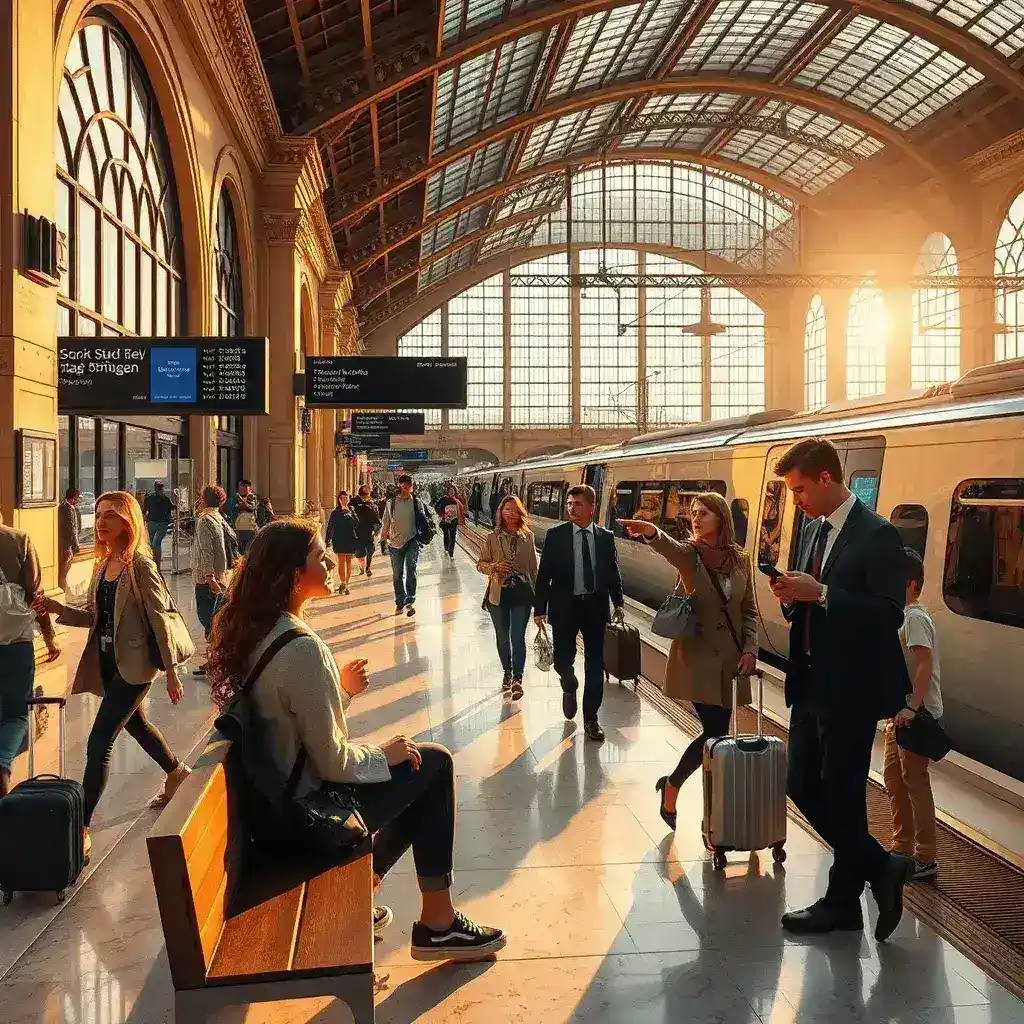
There is a quiet magic in the moments between destinations, where the hum of engines and the shuffle of footsteps blend into a symphony of anticipation. Intercity travel, often dismissed as a mere means to an end, is in truth a dance of logistics and human connection—a fleeting yet profound experience that binds cities, cultures, and people in ways we seldom pause to appreciate. It is here, in the liminal spaces of terminals, stations, and departure gates, that the world feels both vast and intimately small.
The Unseen Architecture of Movement
Every journey begins with a choice: the decision to step beyond the familiar. Whether boarding a high-speed train slicing through verdant countryside or settling into the window seat of a budget airline, the act of travel is an exercise in trust—trust in the machinery, the schedules, and the unseen hands that ensure the wheels keep turning. The architecture of intercity travel is not just steel and concrete but the invisible networks of coordination that make movement possible. Timetables, ticketing systems, and real-time updates are the unsung heroes, orchestrating the ebb and flow of passengers with precision.
Consider the train stations of Europe, where centuries-old facades house the pulse of modern transit. In cities like Paris, Madrid, or Berlin, these hubs are more than mere points of departure; they are living museums, where the past and present collide in a whirlwind of arrivals and goodbyes. The clatter of suitcases on cobblestones, the murmur of languages blending into a single, universal hum—these are the sounds of a world in motion, a world where distance is measured not in miles but in moments of connection.
The Alchemy of Transitions
Transit is not just about getting from point A to point B; it is about the spaces in between. The layover in an unfamiliar airport, the brief respite in a bustling train station café, the unexpected conversation with a fellow traveler—these are the threads that weave the tapestry of intercity travel. For the transit passenger, these moments are not interruptions but opportunities, a chance to observe, reflect, and sometimes, to be transformed.
Take, for example, the experience of a cross-country journey by rail. As the landscape shifts from urban sprawl to rolling hills, from dense forests to arid plains, the traveler is offered a rare gift: the luxury of time. Unlike the hurried pace of air travel, where hours vanish in the blink of an eye, train travel allows for a slower, more deliberate engagement with the world outside the window. It is a reminder that the journey itself is as much a part of the destination as the place you are headed.
The Human Element
At the heart of intercity travel is the human element—the stories, the serendipities, and the shared experiences that make each journey unique. The businessman who strikes up a conversation with a backpacker in the airport lounge, the family navigating a foreign train system with a mix of trepidation and excitement, the solo traveler who finds solace in the rhythm of the rails—these are the moments that linger long after the journey is over.
In an era where technology often distances us from one another, intercity travel remains one of the last great equalizers. Strangers become temporary companions, united by the shared purpose of reaching a destination. The anonymity of transit allows for a rare kind of freedom—the freedom to observe, to listen, and to connect without the weight of expectation. It is in these unscripted interactions that the true essence of travel reveals itself: not as a series of destinations, but as a continuous unfolding of human experience.
The Future of Seamless Travel
As the world grows more interconnected, the demand for seamless intercity travel has never been greater. Innovations in transportation—from high-speed rail networks to electric buses and autonomous vehicles—are reshaping the way we move, making it faster, more efficient, and more sustainable. Yet, even as technology advances, the fundamental appeal of intercity travel remains unchanged: the promise of discovery, the thrill of the unknown, and the quiet joy of being in transit.
The rise of budget airlines and regional transit systems has democratized travel, making it accessible to a broader audience. No longer the preserve of the wealthy or the adventurous, intercity travel has become a staple of modern life, a routine yet extraordinary part of our existence. Whether it’s the daily commuter navigating the subway or the vacationer embarking on a cross-country road trip, the act of moving from one place to another is a testament to our innate desire to explore, to connect, and to grow.
Yet, for all its advancements, the soul of intercity travel lies not in the speed of the journey but in the depth of the experience. It is in the pause between destinations, the unplanned detours, and the unexpected encounters that the true magic of travel reveals itself. The world is vast, but it is also small—connected by invisible bridges of steel, asphalt, and human ingenuity. And as we traverse these bridges, we are reminded that the journey is not just about where we are going, but how we choose to get there.
The next time you find yourself in a terminal or a station, take a moment to look around. Notice the faces, the stories, the quiet determination of those around you. In that fleeting instant, you are not just a passenger; you are a part of something larger, a participant in the grand, ongoing narrative of human movement. The world is waiting, and the journey is yours to embrace.