The Regenerative Heartbeat: How Bali’s Eco-Friendly Glamping and Mindful Trekking Are Crafting a Sanctuary for the Modern Soul
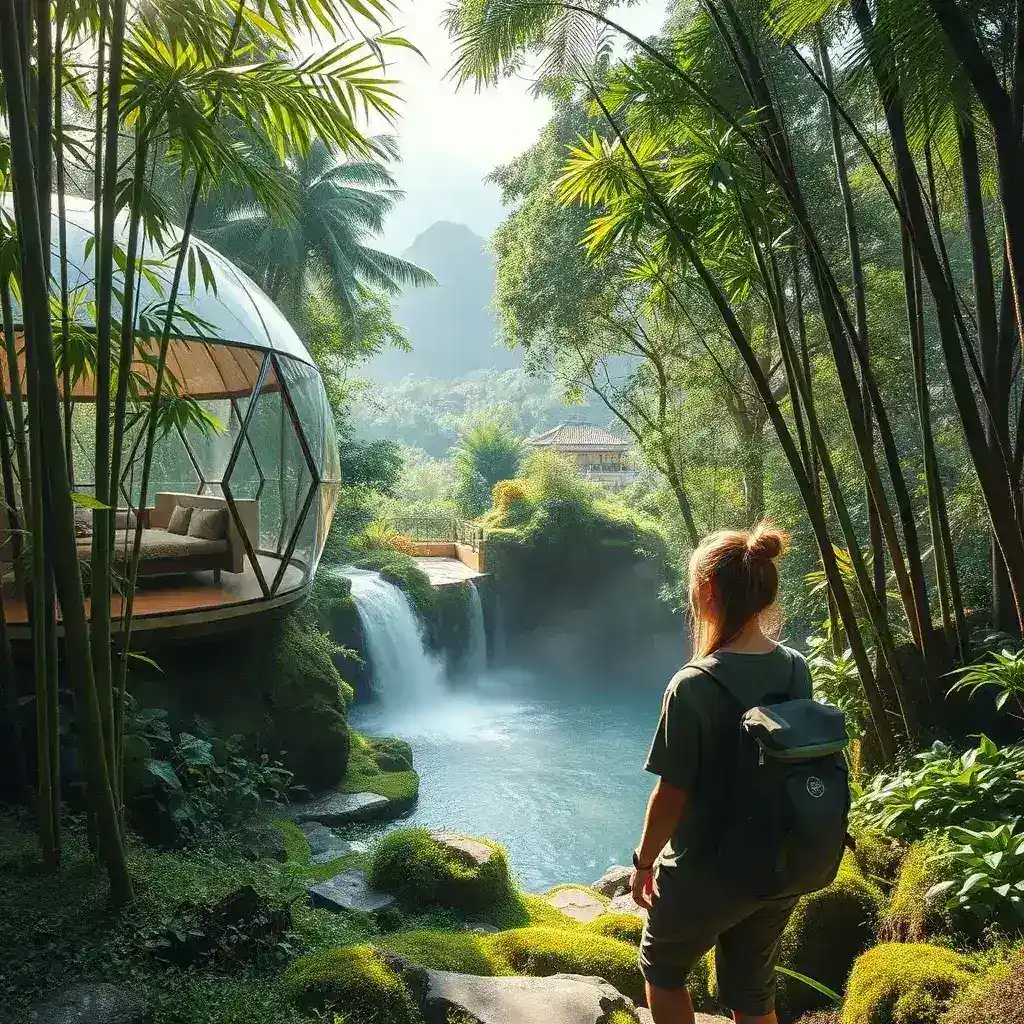
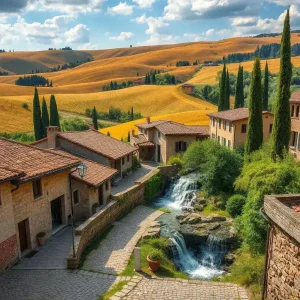
The first light of dawn spills over the emerald hills of Bali like liquid gold, painting the landscape in hues of amber and jade. It’s here, in the quiet embrace of nature, where the modern world’s relentless hum fades into a whisper, and something deeper stirs—a call to reconnect, to heal, to belong. This is the essence of regenerative travel, a movement that doesn’t just seek to explore the world but to restore it, to leave it more vibrant than we found it. And nowhere does this philosophy pulse more vividly than in the hidden corners of Bali, where eco-friendly glamping and mindful trekking are redefining what it means to wander with intention.
The Alchemy of Eco-Friendly Glamping
Imagine waking up to the symphony of birdsong, the air thick with the scent of frangipani and damp earth, your bed nestled within a transparent dome that frames the sky like a living painting. This is glamping—not as a fleeting trend, but as a testament to how luxury and sustainability can dance in harmony. Bali’s eco-friendly glamping sites are masterclasses in regenerative design, where every detail is crafted to minimize impact while maximizing wonder. Solar panels hum quietly, rainwater is harvested and filtered, and structures are built from reclaimed wood or bamboo, their curves mimicking the organic lines of the jungle itself.
At places like Bamboo Indah in Ubud or Samsara Living in the highlands, glamping transcends mere accommodation. It becomes a ritual of reconnection. Meals are prepared with ingredients grown on-site or sourced from local farmers, their flavors a celebration of the land’s bounty. Even the soaps and toiletries are biodegradable, ensuring that every footprint left behind is as light as a butterfly’s touch. Here, luxury isn’t about excess; it’s about presence—the kind that comes when you realize the most opulent experience is the one that honors the earth as much as it pampers the soul.
The Sacred Path of Mindful Trekking
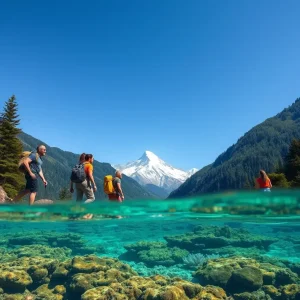
Beyond the glamping domes and infinity pools, Bali’s trails beckon with a different kind of magic. Mindful trekking isn’t just about reaching a summit or ticking off a waterfall on a list; it’s a pilgrimage, a moving meditation where every step is an offering to the land. The island’s volcanic heart, with its jagged peaks and hidden valleys, is the perfect canvas for this kind of journey. Trails like the one leading to Mount Batur at sunrise or the lesser-known paths winding through the Sidemen rice terraces demand more than physical endurance—they require a willingness to listen, to observe, to surrender to the rhythm of the earth.
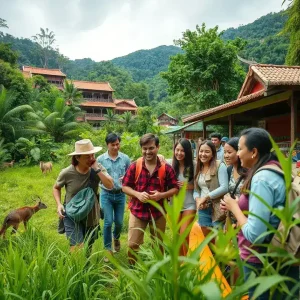
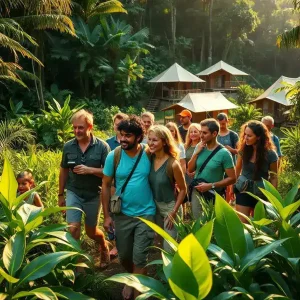
Guides here are storytellers as much as they are navigators, sharing tales of the land’s history, its spirits, and its people. They’ll point out the medicinal plants used by Balinese healers for centuries or pause at a sacred spring where locals come to pray. The pace is deliberate, unhurried, allowing trekkers to absorb not just the views but the very essence of the place. And when you finally reach your destination—a secluded waterfall, a mist-shrouded peak, or a hidden temple—the reward isn’t just the sight but the sense of having been part of something greater than yourself.
The Regenerative Ripple Effect
What makes Bali’s approach to regenerative travel so powerful is its ripple effect. Eco-friendly glamping and mindful trekking aren’t isolated experiences; they’re threads in a larger tapestry of change. The farmers who supply the glamping sites with organic produce, the artisans who craft the bamboo furniture, the local guides who lead the treks—all are part of a circular economy that keeps wealth within the community. Even the land itself benefits, as reforestation projects and permaculture gardens take root where monoculture plantations once drained the soil.
Take the Green School in Bali, a pioneering institution where children learn in bamboo classrooms powered by renewable energy. Many of its students’ parents are involved in the island’s regenerative travel scene, creating a feedback loop where education, sustainability, and tourism intersect. Or consider the Bali Recycling initiatives, which turn plastic waste into building materials for eco-lodges and glamping sites, turning a problem into a solution. These aren’t just feel-good stories; they’re proof that when travel is done right, it can heal both people and the planet.
Crafting Your Own Regenerative Journey
So how do you step into this world of mindful exploration? It starts with a shift in perspective—from seeing travel as an escape to viewing it as a homecoming. Choose accommodations that prioritize sustainability, like Floating Leaf Eco-Luxury Retreat or The Slow, where every detail is designed to nourish both you and the environment. Seek out experiences that immerse you in the local culture, whether it’s a cooking class with a Balinese family, a sunrise trek with a village elder, or a yoga session in a jungle shala.
And perhaps most importantly, travel with an open heart. Regenerative travel isn’t about perfection; it’s about progress. It’s about asking questions—Where does my food come from? How is my waste managed? What impact am I having?—and being willing to adjust your choices accordingly. It’s about slowing down enough to notice the way the light filters through the trees, the sound of a river carving its path through the rock, the quiet joy of a shared meal under the stars.
The Soul of the Journey
In the end, regenerative travel is less about the places you go and more about the person you become along the way. Bali’s eco-friendly glamping sites and mindful trekking trails aren’t just destinations; they’re classrooms, sanctuaries, and catalysts for transformation. They remind us that the earth is not a resource to be consumed but a living, breathing entity to be cherished. And when we travel with that awareness, we don’t just visit a place—we become part of its story, leaving behind not just footprints, but seeds of change that will grow long after we’ve returned home. The dawn light spills over the hills once more, but this time, it feels different. This time, it feels like an invitation.