Beneath the Surface: The Hidden Wonders of Coral Reef Snorkeling and Marine Conservation
The ocean has always been a realm of mystery and enchantment, a vast blue expanse that hums with life and whispers secrets to those willing to listen. There’s something almost magical about slipping beneath the surface, leaving the world of air and light behind to enter a liquid universe where gravity feels like a suggestion and time moves to the rhythm of the tides. Coral reef snorkeling isn’t just an adventure; it’s a pilgrimage to one of Earth’s most vibrant and fragile ecosystems, a chance to witness the underwater ballet of marine life in all its technicolor glory.
The First Breath Underwater
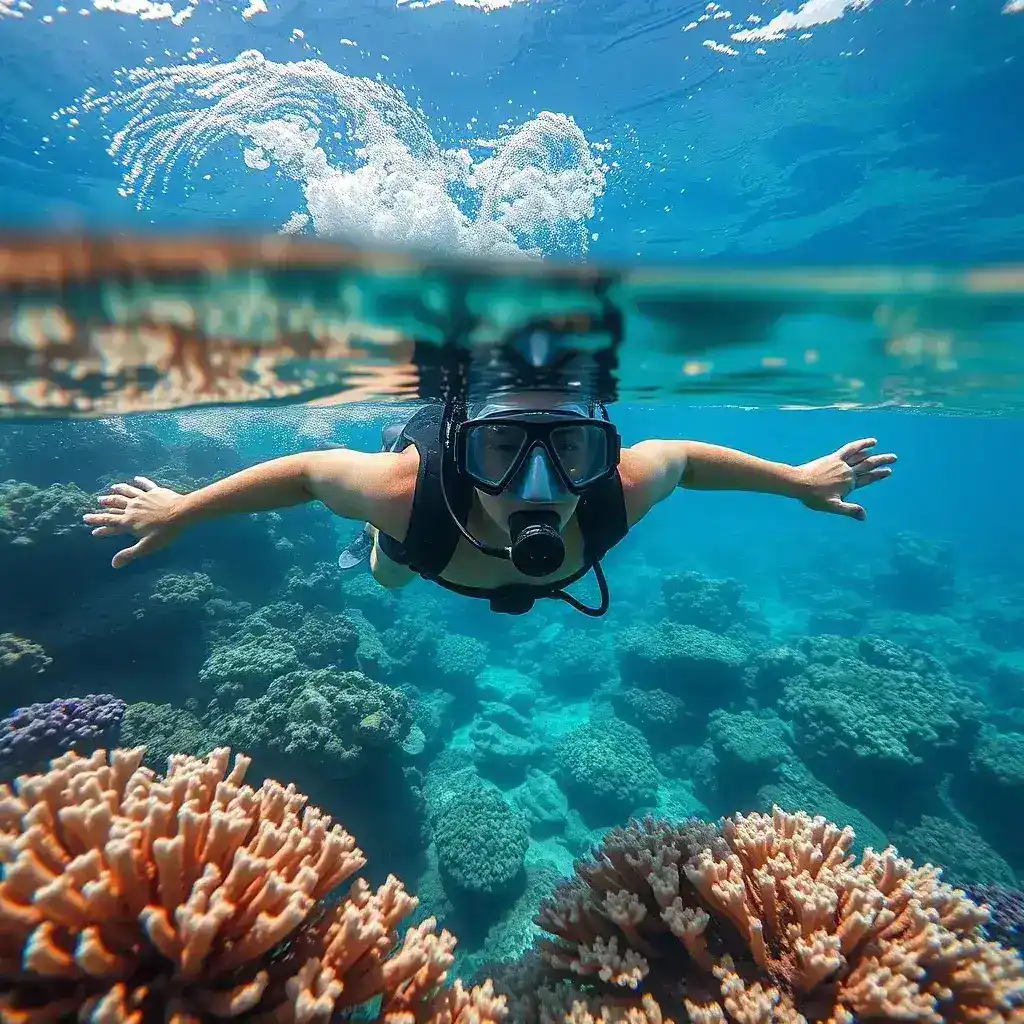
Imagine the moment your face breaks the surface of the water, the cool embrace of the sea enveloping you as you take your first breath through the snorkel. The world above fades into a distant memory, replaced by the quiet symphony of bubbles and the soft crunch of coral beneath your fins. The water is so clear it feels like flying, and as your eyes adjust, the reef comes alive in a burst of colors—electric blues, fiery oranges, and sunlit yellows that dance across the coral like a living rainbow. Schools of fish dart between the branches of staghorn coral, their scales shimmering like scattered jewels, while a curious sea turtle glides by, its ancient eyes meeting yours in a silent exchange of wonder.
This is the magic of coral reef snorkeling: a front-row seat to one of nature’s most spectacular shows. But it’s not just about the beauty. Every reef is a bustling metropolis, a complex web of life where every creature, from the tiniest cleaner shrimp to the majestic manta ray, plays a vital role. The coral itself, often mistaken for rock or plant, is a living organism, a colony of tiny polyps that build the very foundation of this underwater world. To snorkel among them is to witness a masterpiece of evolution, a delicate balance that has thrived for millennia but now hangs in the balance.
The Fragile Heart of the Ocean
Coral reefs cover less than 1% of the ocean floor, yet they support nearly 25% of all marine life. They are the rainforests of the sea, teeming with biodiversity and playing a crucial role in the health of our planet. But these underwater wonderlands are under siege. Rising sea temperatures, ocean acidification, overfishing, and pollution are pushing coral reefs to the brink, with some scientists warning that we could lose up to 90% of them by 2050 if we don’t act now. The thought of these vibrant ecosystems fading into ghostly white skeletons is enough to make any adventurer’s heart ache.
This is where marine conservation steps in, not as a barrier to adventure, but as its natural extension. Sustainable tourism isn’t about sacrificing the thrill of exploration; it’s about ensuring that the places we love remain vibrant and alive for generations to come. When you choose to snorkel with operators who prioritize reef-safe practices—using mooring buoys instead of anchors, avoiding harmful sunscreens, and educating visitors about the fragility of the ecosystem—you’re not just protecting the reef. You’re becoming part of its story, a guardian of the deep.
The Ripple Effect of Responsible Adventure
Marine conservation and adventure travel are not opposing forces; they are two sides of the same coin. Every time you slip into the water with a sense of reverence, every time you choose to support local communities that rely on the reef for their livelihoods, you’re casting a vote for the kind of world you want to explore. It’s a ripple effect—one that starts with a single snorkeler but can grow into a wave of change.
Take, for example, the story of a small island community in Indonesia that once relied on destructive fishing practices to make ends meet. When a group of conservationists partnered with local guides to create a snorkeling eco-tourism program, everything changed. The reef became more valuable alive than dead, and the community found a new way to thrive. Today, visitors flock to the island not just for its breathtaking coral gardens, but for the chance to be part of something bigger—a movement that proves adventure and conservation can go hand in hand.
Gear Up for the Deep
Of course, no snorkeling adventure is complete without the right gear. A well-fitted mask that doesn’t leak, a snorkel that allows you to breathe easily, and fins that let you glide effortlessly through the water are the basics. But for those who want to dive deeper into marine conservation, there’s more to consider. Reef-safe sunscreen is a must—chemicals like oxybenzone and octinoxate can bleach coral and disrupt marine life, so opt for mineral-based alternatives instead. A waterproof camera or GoPro can help you capture the beauty of the reef without disturbing it, and a mesh bag for collecting any trash you might encounter (yes, even in paradise, plastic finds its way into the ocean) turns you into an instant ocean hero.
For the truly passionate, consider taking a marine conservation course or volunteering with organizations that focus on reef restoration. Learning to identify different coral species, understanding the threats they face, and even participating in coral nurseries where damaged reefs are given a second chance can deepen your connection to the underwater world in ways you never imagined. It’s one thing to admire the reef from above; it’s another to become its ally.
The Unseen Guardians of the Deep
As you float above the reef, it’s easy to get lost in the beauty of the moment—the way the sunlight filters through the water, the playful dance of a clownfish in its anemone home, the sudden shadow of a reef shark gliding silently by. But beneath the surface, there’s a silent battle being waged, one that most snorkelers never see. Coral bleaching events, where stressed corals expel the colorful algae that give them life, are becoming more frequent, leaving behind a stark white wasteland. Invasive species, like the voracious lionfish, are disrupting ecosystems, while ghost nets—abandoned fishing gear—continue to trap and kill marine life long after they’ve been discarded.
Yet, there is hope. Around the world, scientists, conservationists, and local communities are fighting back. Coral nurseries are growing resilient strains of coral that can withstand warmer temperatures, while artificial reefs made from sunken ships or 3D-printed structures are providing new habitats for marine life. In some places, divers are even