The Unseen Threads: How Sustainable Adventure Travel Weaves the Future of Our Planet
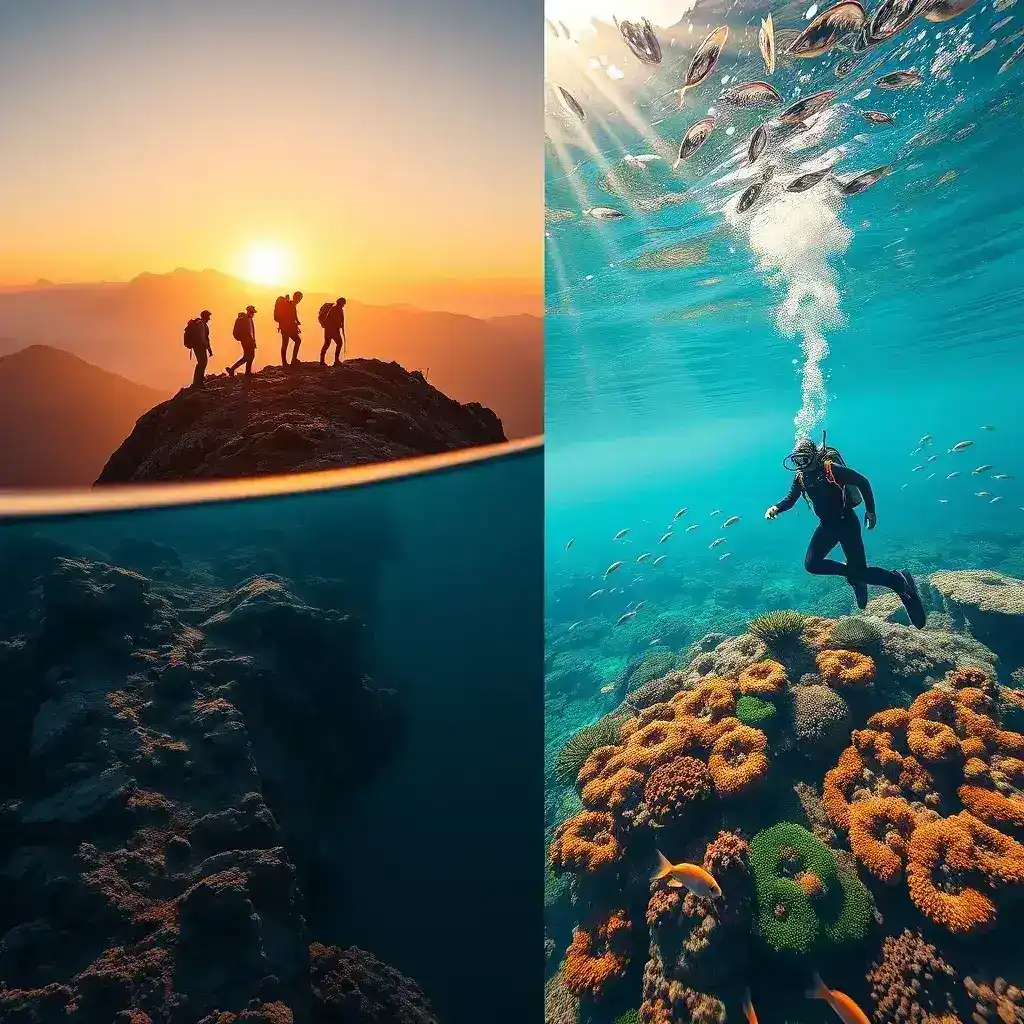
The wind howls through the jagged peaks, carrying with it the scent of pine and the faintest whisper of snow—even in the height of summer. There, where the air thins and the world below blurs into a patchwork of green and gold, the true magic of mountain trekking reveals itself. It’s not just the burn in your thighs as you ascend, nor the triumphant gasp when you finally stand atop a summit. It’s the quiet realization that the earth beneath your boots is alive, breathing, and infinitely precious. This is the heart of sustainable adventure travel: a dance between exploration and reverence, where every step is both a discovery and a promise.
The Alchemy of Responsible Exploration
Adventure travel has long been synonymous with pushing boundaries—scaling uncharted cliffs, diving into the abyss, or island hopping across turquoise waters where the horizon seems to stretch into eternity. But in an era where the footprints of tourism are leaving scars on some of the planet’s most fragile ecosystems, the call for sustainable tourism has never been louder. It’s no longer enough to simply go; we must go with intention, with respect, and with a deep understanding of the impact we leave behind.
Take, for instance, the coral reefs that fringe remote tropical beaches. Once teeming with life, these underwater cathedrals are now under siege from climate change, pollution, and careless snorkeling. Yet, in places like Indonesia’s Raja Ampat or Belize’s Barrier Reef, marine conservation efforts are turning the tide. Here, adventure travelers don snorkels not just to witness the kaleidoscope of marine life but to participate in its preservation. They learn from local guides about the delicate balance of these ecosystems, how to minimize their impact, and even how to contribute to reef restoration projects. The ocean, once a distant and untouchable force, becomes a living, breathing entity that demands our protection.
The Mountains: Where Human Spirit Meets Earth’s Majesty
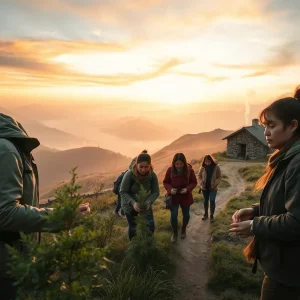
There’s a reason mountaineers speak of the mountains in reverent tones. Whether it’s the thin air of a high-altitude hike in the Himalayas or the technical precision required to navigate the icy flanks of the Alps, these landscapes test the limits of human endurance. But they also offer something far greater: perspective. Standing on a ridge at dawn, watching the sun spill over the valleys below, you understand, viscerally, that you are but a small part of something vast and ancient. This humility is the foundation of sustainable mountain trekking.
Peak bagging, the pursuit of summiting multiple peaks, has evolved from a personal conquest to a practice rooted in environmental stewardship. Organizations like the Leave No Trace Center for Outdoor Ethics have become the gold standard for trekkers, teaching principles that ensure the wilderness remains wild. From packing out all waste to using biodegradable soap, every action is a testament to the belief that the mountains are not ours to conquer but ours to cherish. And when you finally reach that summit, the view is not just a reward for your effort—it’s a reminder of what’s at stake.
The Ocean’s Call: Diving into the Depths of Conservation
If the mountains are the earth’s spine, then the ocean is its lifeblood. Deep sea diving and coastal exploration offer a glimpse into a world that is as alien as it is awe-inspiring. Beneath the waves, time moves differently. Schools of fish dart like silver arrows, coral polyps sway in the current, and the silence is broken only by the rhythmic pulse of your own breath. But this underwater paradise is fragile, and its survival hinges on the choices of those who venture into its depths.
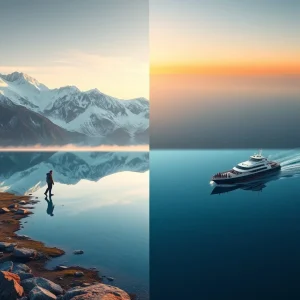
Sustainable ocean cruising and nautical travel are redefining what it means to explore the blue spaces. Gone are the days of massive cruise ships dumping waste into the sea or anchoring on fragile reefs. Instead, eco-conscious adventurers are turning to smaller, low-impact vessels that run on renewable energy and adhere to strict environmental guidelines. In places like the Galápagos Islands or the Norwegian fjords, travelers are not just passengers—they’re ambassadors for the ocean, learning about marine conservation and supporting local communities that depend on healthy seas.
The Gear That Connects Us to the Wild
No discussion of sustainable adventure travel would be complete without addressing the tools of the trade. Mountaineering gear, from crampons to carabiners, has traditionally been a symbol of human ingenuity in the face of nature’s challenges. But as the outdoor industry grapples with its environmental footprint, a new wave of eco-friendly gear is emerging. Companies are now crafting climbing ropes from recycled materials, designing tents that leave no trace, and even developing biodegradable wetsuits for divers. This shift isn’t just about reducing waste—it’s about reimagining our relationship with the gear we rely on. Every harness, every snorkel, every pair of hiking boots becomes a testament to the idea that adventure and sustainability can coexist.
The Ripple Effect of Mindful Travel
The beauty of sustainable adventure travel lies in its ripple effect. When a trekker chooses to support a local guide in Nepal, they’re not just ensuring a safer ascent—they’re investing in a community that relies on the mountains for its livelihood. When a diver participates in a coral restoration project, they’re not just witnessing the ocean’s wonders—they’re helping to ensure those wonders endure for future generations. These choices, small as they may seem, add up to a movement that is reshaping the way we explore the world.
And perhaps that’s the most powerful takeaway of all: adventure travel is no longer just about the thrill of the unknown. It’s about the responsibility we carry as stewards of this planet. The next time you lace up your hiking boots, strap on your diving mask, or hoist your pack for a summit push, remember that the wild places you love are not just there for your enjoyment. They’re there because someone, somewhere, chose to protect them. Now, it’s your turn to make that choice—to tread lightly, to leave no trace, and to ensure that the earth’s most breathtaking landscapes remain untouched for those who will follow in your footsteps.