The Alchemy of Place: How Off-the-Beaten-Path Journeys and Adventure-Based Learning Are Crafting the Soul of Regenerative Transformation
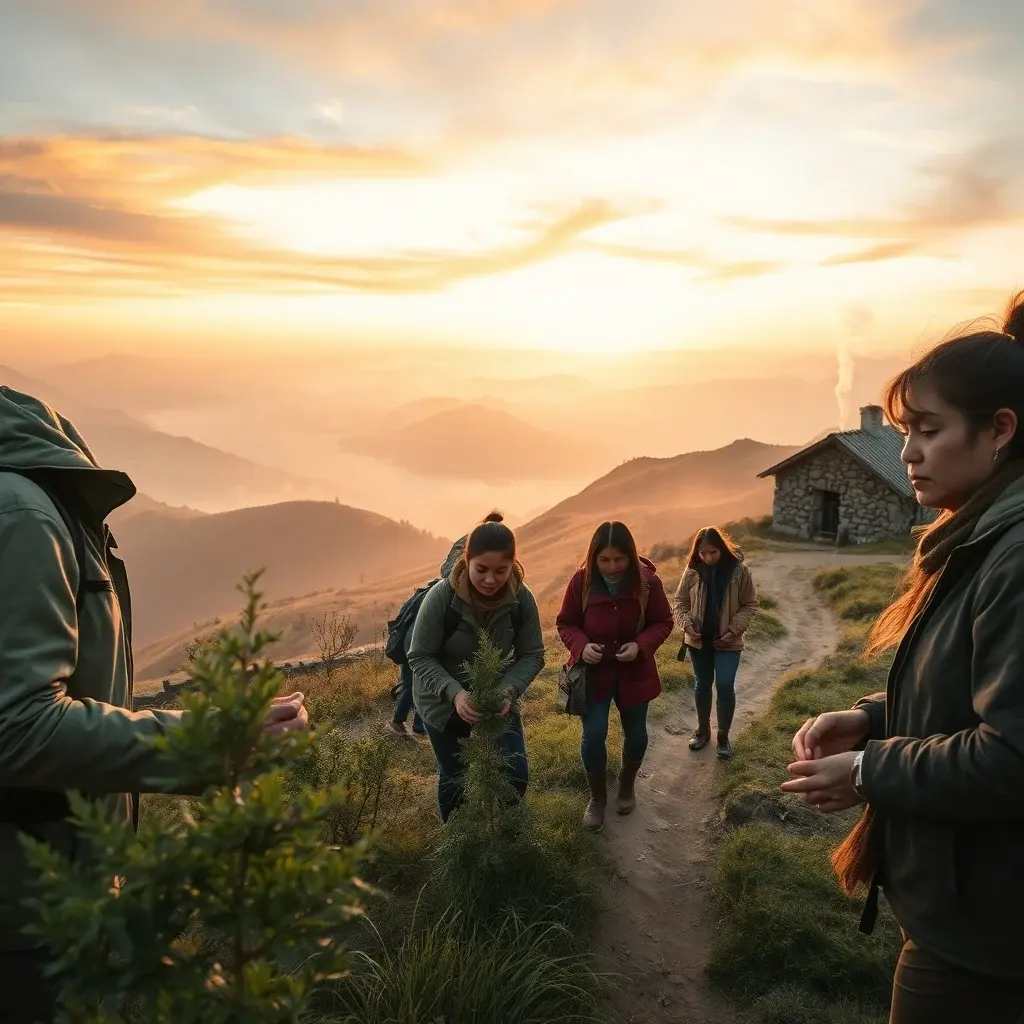
There is a quiet magic in the places where the map blurs into myth—where the road narrows to a thread of dust, and the air hums with stories untold. These are the edges of the world, not in distance, but in depth, where travel becomes less about arrival and more about the slow, deliberate unraveling of self against the loom of a landscape. Here, in the off-the-beaten-path corners of the earth, adventure-based learning and regenerative travel converge to forge something rare: a transformation that is as much about the land as it is about the traveler.
The Call of the Unmapped
We live in an age of hyper-connectivity, where the world’s wonders are just a scroll away, yet the soul of travel often feels diluted by the very ease of access. The most profound journeys, however, are not those that can be captured in a geotag or a filtered photograph, but those that demand presence—a willingness to step into the unknown and let it reshape you. Off-the-beaten-path travel is not merely about escaping the crowds; it is about embracing the kind of solitude that forces introspection, where the absence of noise becomes the canvas for revelation.
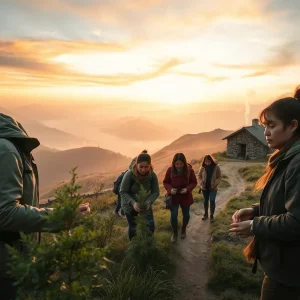
Imagine trekking through the mist-laden hills of the Peruvian Andes, where the only guide is the rhythm of your own breath and the occasional whisper of a local farmer who has spent a lifetime reading the language of the wind. Or consider the quiet intensity of a homestay in the remote villages of Bhutan, where the act of sharing a meal becomes a lesson in gratitude, and the simplicity of daily life reveals the profound beauty of sufficiency. These are not just trips; they are rites of passage, where the land itself becomes the teacher, and every step is a question answered not in words, but in experience.
The Classroom Without Walls
Adventure-based learning is the pedagogy of the wild—a way of knowing that transcends textbooks and lectures, where the curriculum is written in the terrain beneath your feet. It is the art of learning by doing, by feeling the weight of history in the stones of an ancient ruin, or by understanding the fragility of an ecosystem through the eyes of a conservationist who has spent decades protecting it. This kind of education is not passive; it is participatory, immersive, and deeply personal.
In the dense jungles of Costa Rica, travelers don’t just observe wildlife; they become part of the conservation effort, tracking jaguars alongside biologists or planting trees to restore degraded habitats. In the highlands of Scotland, they don’t just hear tales of clan history; they learn to weave tartan on looms that have been in families for generations, their hands moving in time with the stories of the past. These experiences are not about collecting souvenirs; they are about collecting wisdom, the kind that seeps into your bones and stays with you long after you’ve returned home.
The Regenerative Ripple
What sets these journeys apart is their regenerative power—not just for the traveler, but for the places they touch. Regenerative travel is a philosophy that seeks to leave a destination better than it was found, where every interaction is an opportunity to restore, renew, and revitalize. It is a counterpoint to the extractive nature of mass tourism, where the focus shifts from taking to giving, from consuming to contributing.
In the villages of Rajasthan, travelers don’t just stay in luxury resorts; they participate in community-led initiatives that provide clean water, education, and sustainable livelihoods. In the coral reefs of Indonesia, they don’t just snorkel; they help rebuild the reefs, learning from marine biologists how to nurse damaged ecosystems back to health. These are not acts of charity, but of reciprocity—a recognition that travel, at its best, is a two-way exchange, where both the visitor and the visited are transformed.
The Slow Burn of Discovery
There is a particular kind of alchemy that happens when you surrender to the pace of a place. The slow travel movement is not about how far you go, but how deeply you allow yourself to be changed by the journey. It is about lingering in the spaces between destinations, where the real magic happens—not in the grand monuments, but in the quiet conversations with a fisherman at dawn, or in the shared silence of a sunset with strangers who become friends.
In the vineyards of Tuscany, travelers don’t rush from one winery to the next; they stay with a family for a week, learning the art of winemaking from the soil up, their hands stained with the earth that has sustained generations. In the fjords of Norway, they don’t just take a boat tour; they spend days hiking with a local guide, sleeping in mountain huts, and listening to the stories of the land as the northern lights dance overhead. These are the moments that define a journey, the ones that linger in the heart like the echo of a bell long after it has stopped ringing.
The Unseen Curriculum
The most powerful lessons of off-the-beaten-path travel are often the ones that go unspoken. They are the lessons of resilience learned from a mountain that refuses to be conquered, or of humility from a culture that has thrived for centuries without the trappings of modernity. They are the lessons of connection—with the land, with others, and with the parts of yourself that you didn’t know were there.
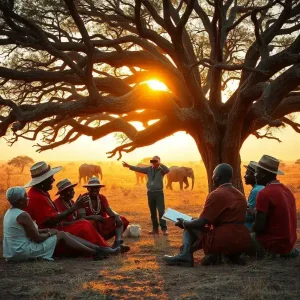
In the high deserts of Namibia, travelers don’t just see the stars; they learn to navigate by them, their fingers tracing the constellations as the San people have done for millennia. In the rainforests of Borneo, they don’t just hear the call of the orangutan; they learn to mimic it, their voices blending with the chorus of the wild in a language older than words. These are the experiences that crack open the shell of the familiar, revealing the vast, untamed landscape of the self.
The beauty of regenerative, adventure-based travel is that it doesn’t just change the way you see the world—it changes the way you see yourself. It is a reminder that we are not separate from the places we visit, but deeply, inextricably connected to them. And in that connection, there is a kind of alchemy, a transformation that is as much about the land as it is about the soul. The road less traveled is not just a path; it is a mirror, reflecting back the parts of us that we have forgotten, or never knew existed. And perhaps, in the end, that is the greatest adventure of all.