The Soul of the Unseen Trail: How Digital Nomad Retreats and Wildlife Conservation Are Crafting the Future of Regenerative Wanderlust
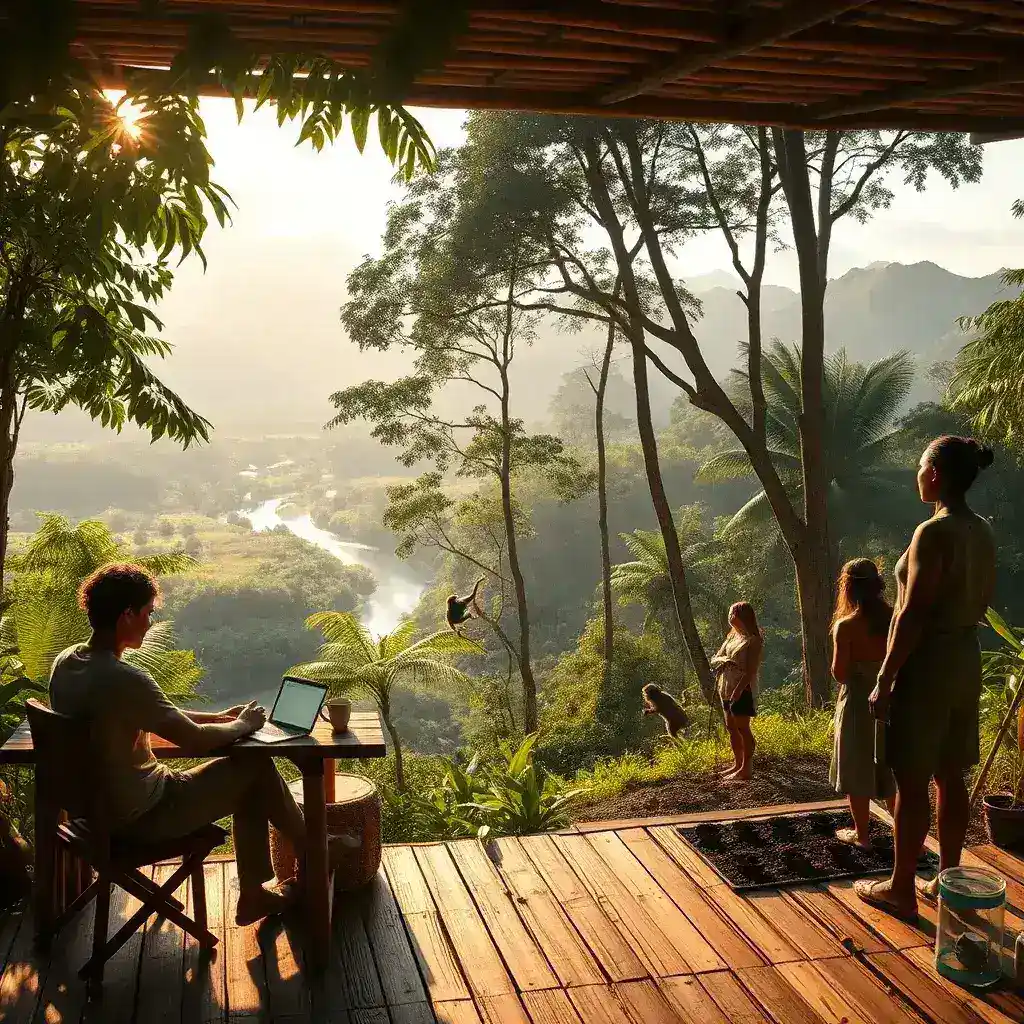
There is a quiet revolution unfolding in the way we travel—one that whispers through the rustling leaves of remote forests, hums in the laughter of local storytellers, and echoes in the footsteps of those who seek more than just a destination. It is a movement that thrives on connection, not consumption; on regeneration, not extraction. At its heart lies the fusion of digital nomad retreats and wildlife conservation tourism, two seemingly disparate worlds that, when woven together, create a tapestry of travel that is as transformative as it is sustainable.
The Rise of the Conscious Nomad
Gone are the days when travel was merely about ticking off landmarks or lounging on sun-drenched beaches. Today’s explorers are digital nomads, wanderers with laptops and a hunger for meaning. They are the modern-day alchemists, turning Wi-Fi signals into opportunities and remote landscapes into offices. But what sets them apart is not just their ability to work from anywhere—it’s their desire to leave a place better than they found it. Enter digital nomad retreats, sanctuaries designed not just for productivity, but for purpose.
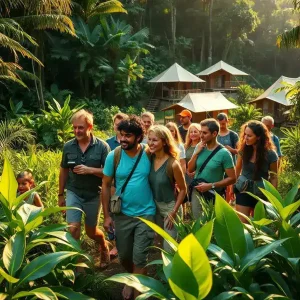
Imagine waking up in a bamboo eco-lodge nestled in the heart of a Costa Rican rainforest, the air thick with the scent of earth and adventure. Your morning begins not with the blare of an alarm, but with the symphony of howler monkeys and toucans. After a yoga session overlooking a misty valley, you settle into a workspace carved from reclaimed wood, your screen glowing softly as you draft emails or design projects. But the real magic happens beyond the desk. Here, retreats are not just about fast internet and ergonomic chairs—they are about regenerative travel planning. Every stay funds reforestation projects, supports local artisans, or contributes to wildlife corridors that allow jaguars and tapirs to roam freely.
Where Conservation Meets Connection
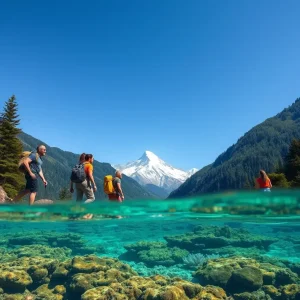
The true soul of this movement lies in its ability to bridge the gap between human curiosity and the natural world. Wildlife conservation tourism is no longer a passive experience—it’s an invitation to roll up your sleeves and become part of the story. Picture yourself in the savannas of Kenya, not just on a safari jeep, but knee-deep in the red soil, helping researchers track elephant migrations. Or in the coral reefs of Indonesia, where your snorkeling excursion doubles as a citizen science project, documenting marine biodiversity to aid conservation efforts.
These experiences are not about the thrill of proximity to wild animals; they are about understanding the delicate balance that sustains them. They are about recognizing that every footprint we leave behind—whether in the sand or the digital ether—has the power to heal or harm. When digital nomads choose retreats that prioritize conservation, they are not just travelers; they become stewards of the places they visit. Their presence funds anti-poaching patrols, supports community-led education programs, and ensures that the landscapes they fall in love with remain vibrant for generations to come.
The Alchemy of Slow and Sustainable
At the core of this movement is the slow travel movement, a philosophy that encourages depth over speed, presence over productivity. It’s about trading the rush of a whirlwind tour for the quiet joy of a week spent in a single village, learning the rhythms of life from those who call it home. For digital nomads, this means swapping the hustle of coworking spaces in bustling cities for the tranquility of a jungle retreat, where the only deadlines are the ones set by the rising and setting sun.
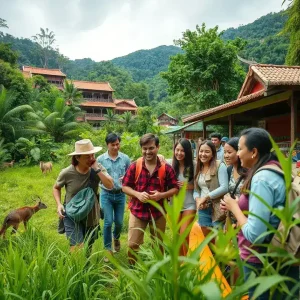
This slower pace allows for something rare in our hyper-connected world: authentic local interaction. It’s in the shared meals with farmers who grow the coffee you sip each morning, or the evenings spent around a fire with indigenous guides who share stories of the land. It’s in the hands-on workshops where you learn to weave textiles from natural dyes or craft pottery using techniques passed down through generations. These moments are not just activities—they are threads that weave travelers into the fabric of the places they visit, creating bonds that transcend borders and time zones.
The Future of Travel: A Regenerative Legacy
The fusion of digital nomadism and wildlife conservation is more than a trend—it’s a blueprint for the future of travel. It challenges the notion that exploration must come at the expense of the planet, proving instead that our wanderlust can be a force for good. When we choose retreats that prioritize sustainability, when we engage in conservation efforts with humility and respect, when we slow down enough to truly see the world around us, we do more than just visit. We contribute. We regenerate. We leave behind not just memories, but a legacy of care.
So the next time you pack your bags, ask yourself: What kind of traveler do you want to be? One who passes through, or one who plants seeds—of knowledge, of connection, of renewal? The unseen trail is waiting, and it’s calling for those who dare to walk it with intention. The path is not always easy, but it is rich with the kind of rewards that can’t be measured in likes or followers. It is rich with the soul of the journey itself, a journey that begins the moment you decide to travel not just with your feet, but with your heart.