The Soul of the Unspoken Path: How Slow Travel and Authentic Local Interaction Are Crafting the Future of Regenerative Journeys
There is a quiet revolution stirring in the world of travel—one that whispers rather than shouts, moves with deliberate slowness rather than frantic haste, and seeks connection over consumption. It is the art of slow travel, a movement that invites us to step off the conveyor belt of tourist traps and into the living, breathing heart of a place. Here, the journey is not measured in miles covered or landmarks ticked off a list, but in the depth of encounters, the richness of stories exchanged, and the transformative power of simply being somewhere, rather than just passing through.
The Alchemy of Presence
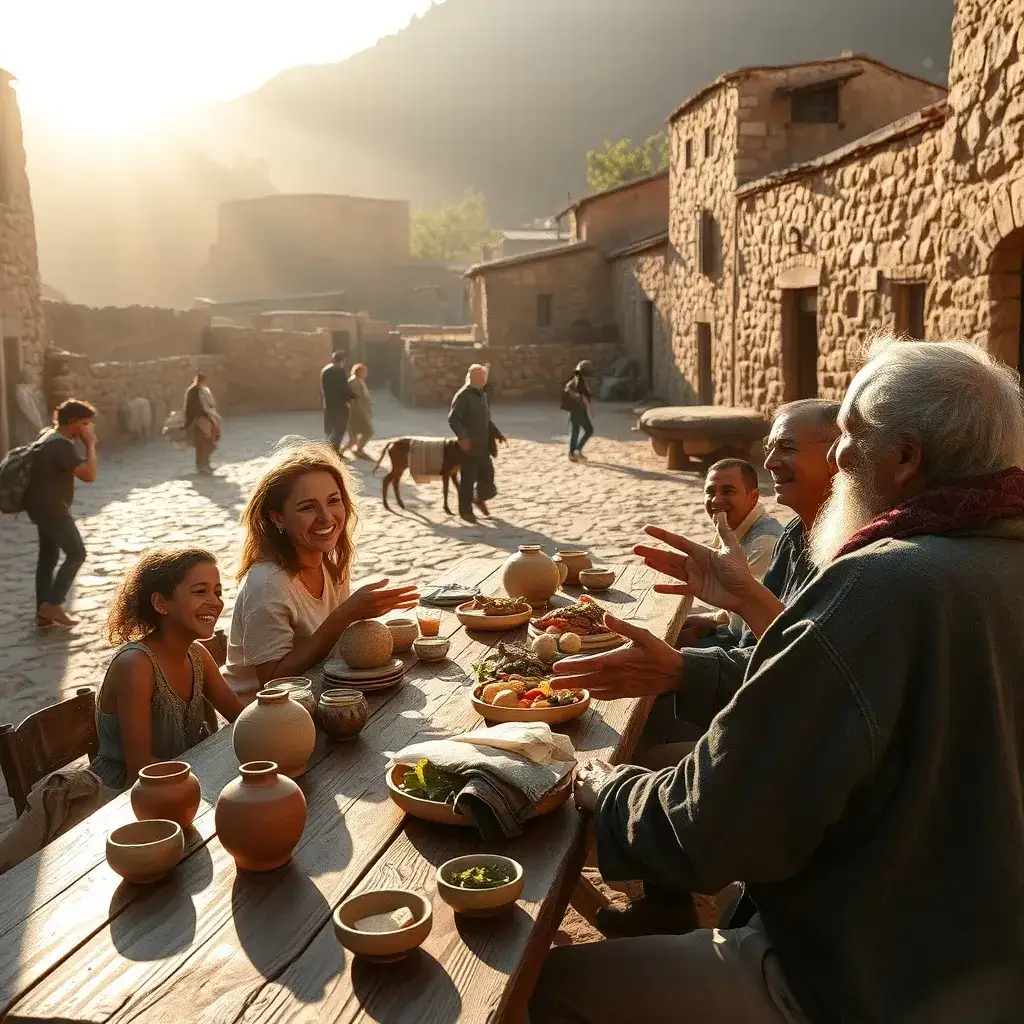
Imagine arriving in a village where the rhythm of life is dictated by the sun’s arc across the sky, where the scent of woodsmoke and freshly baked bread lingers in the air, and where the locals greet you not as a stranger, but as a guest. This is the essence of slow travel: a deliberate choice to immerse yourself in the cadence of a place, to let its pulse sync with your own. It’s about trading the rush of a whirlwind tour for the quiet magic of a shared meal, a spontaneous conversation, or the simple act of watching the world unfold from a café chair.
In a world that glorifies speed, slow travel is an act of rebellion. It asks us to resist the urge to document every moment for social media and instead live those moments fully. To sit with a fisherman as he mends his nets, to learn the secrets of a family recipe passed down through generations, or to wander through a market where the vendors know your name. These are the experiences that linger long after the trip ends, not because they were photographed, but because they were felt.
The Power of Authentic Local Interaction
At the heart of slow travel lies the belief that the most profound connections are forged not in the sterile confines of a resort, but in the messy, beautiful reality of everyday life. It’s in the home of a weaver who invites you to try your hand at her loom, or the kitchen of a grandmother who teaches you to roll out dough with the same care she’s shown for decades. These interactions are not staged for tourists; they are the raw, unfiltered essence of a culture, and they have the power to reshape how we see the world—and ourselves.
Take, for example, the story of a traveler who spent a month in a remote village in the Andes. Rather than rushing from one attraction to the next, they chose to stay, to help with the harvest, to learn the language, to listen to the elders’ stories. By the time they left, they weren’t just a visitor—they were part of the community’s story. This is the magic of authentic local interaction: it blurs the line between traveler and local, turning strangers into kin and places into homes.
The Ripple Effect of Regenerative Travel
Slow travel isn’t just about personal enrichment; it’s a force for regeneration. When we choose to engage deeply with a place, we become part of its ecosystem—supporting local economies, preserving traditions, and fostering a sense of stewardship. The money we spend stays in the community, the stories we hear become part of our own narrative, and the lessons we learn ripple outward, inspiring others to travel with intention.
Consider the farmer who opens his fields to visitors, not just to sell produce, but to share the wisdom of sustainable agriculture. Or the artisan who teaches workshops, ensuring her craft survives another generation. These are acts of regeneration, where travel becomes a tool for cultural preservation and environmental care. It’s a far cry from the extractive tourism of the past, where destinations were treated as commodities to be consumed and discarded. Instead, slow travel asks us to give as much as we take—to leave a place better than we found it.
The Unseen Threads of Connection
What makes slow travel so transformative is its ability to weave invisible threads between people and places. It’s in the way a shared laugh with a stranger can dissolve the boundaries of language, or how a simple act of kindness can restore your faith in humanity. These moments are the currency of slow travel, and they are priceless.
There’s a reason why the most memorable travel stories aren’t about the sights seen, but the people met. Like the time a traveler in Morocco was invited into a family’s home for tea, only to find themselves staying for dinner, then breakfast, then another night. Or the backpacker in Vietnam who, after helping a farmer repair his roof, was gifted a hand-carved wooden bowl—a treasure that now sits on their shelf, a tangible reminder of an intangible bond.
The Future of Travel Is Slow
The world is waking up to the fact that faster isn’t always better. As we grapple with the environmental and social costs of mass tourism, slow travel offers a path forward—one that is mindful, meaningful, and regenerative. It’s a return to the roots of exploration, where the journey itself is the destination, and where the greatest adventures are often the ones that unfold in the spaces between the guidebook’s highlights.
So the next time you plan a trip, ask yourself: What if I stayed a little longer? What if I ventured a little deeper? What if, instead of seeing a place, I let it see me? The answers might just change the way you travel forever. And in doing so, you’ll become part of a movement that is not just rediscovering the world, but helping to heal it—one slow, soulful step at a time.