The Silent Call of the Vertical World: Where Rock Climbing and Alpine Dreams Collide
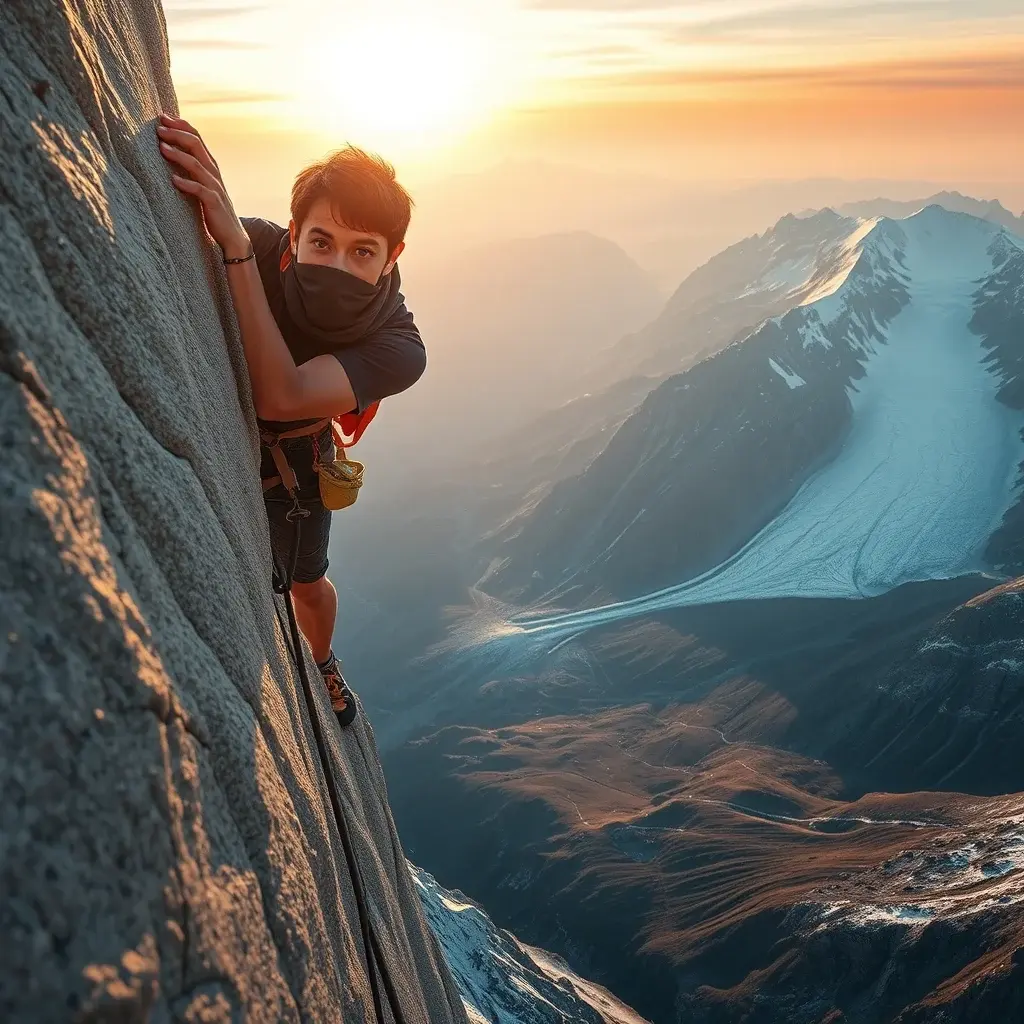
The first time my fingers curled around cold granite, I understood the language of stone. It wasn’t just the rough texture beneath my fingertips or the way the rock seemed to hum with ancient energy—it was the way the world fell away beneath me, leaving only the present moment and the next move. Rock climbing isn’t just a sport; it’s a conversation with the earth, a dance with gravity where every step, every grip, is a word in an ongoing dialogue between human and mountain.
The Alchemy of Fear and Focus
There’s a moment, suspended between earth and sky, when your breath stills and your mind sharpens like a blade. It’s the moment before you commit to the crux, the hardest part of the climb, where the route narrows and the exposure yawns beneath you. Fear isn’t the enemy here—it’s the catalyst. It strips away the noise of daily life, leaving only the raw, unfiltered truth of your own capabilities. The rock doesn’t care about your doubts or your excuses; it only responds to action. And in that space of heightened awareness, you discover something profound: the body is capable of far more than the mind often allows.
Alpine climbing takes this conversation to even greater heights—literally. The air thins, the temperatures plummet, and the stakes rise with every step toward the summit. Here, the dialogue expands to include the wind, the snow, and the shifting moods of the mountain itself. The gear—ice axes, crampons, ropes—becomes an extension of your body, a lifeline to the vertical world. But the real tools are intangible: patience, resilience, and the ability to listen to the mountain’s whispers. A storm rolling in isn’t just a weather report; it’s a warning. A crack in the ice isn’t just a feature; it’s a voice telling you to tread carefully.
The Sacred Geometry of Movement
Every climb is a puzzle, a three-dimensional chess game where the pieces are your body and the mountain’s features. The best climbers don’t just rely on strength; they move with an almost poetic efficiency, finding rhythm in the chaos. A hand reaches for a hold, a foot presses into a tiny ledge, and suddenly, the impossible becomes possible. It’s not about conquering the rock—it’s about understanding it, respecting its lines and weaknesses, and finding harmony within its challenges.
In the alpine, this geometry becomes even more complex. The terrain shifts from rock to ice to snow, demanding adaptability and precision. A misplaced step on a glacier can send you tumbling into a crevasse, while a poorly placed ice screw can mean the difference between life and death. But when everything aligns—the gear, the weather, the team—there’s a flow state that transcends the physical. Time slows, the world narrows to the next move, and for a fleeting moment, you’re not just climbing the mountain; you’re part of it.
The Brotherhood of the Rope
No climber stands alone. Even soloists rely on the knowledge passed down from generations of climbers, the beta shared by those who’ve come before. But in the alpine, the bond is even more tangible. The rope isn’t just a tool; it’s a lifeline that connects you to your partner, a physical manifestation of trust. When you’re belaying someone on a steep ice face, their life is literally in your hands. And when you’re the one climbing, you’re placing your faith in their skill, their focus, their ability to catch you if you fall.
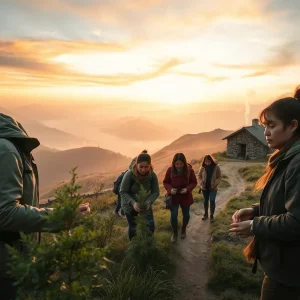
These moments forge a camaraderie unlike any other. There’s no room for ego when you’re huddled in a tent at 14,000 feet, sharing a stove and a pot of lukewarm soup. The mountain strips away pretenses, leaving only the raw, unfiltered truth of human connection. You learn to rely on each other, to communicate with a glance or a nod, to celebrate the small victories and endure the setbacks together. In the vertical world, teamwork isn’t just important—it’s everything.
The Mountain’s Lesson
Climbing teaches you that the summit isn’t the goal—it’s just a milestone. The real reward is the journey, the way the mountain reshapes your perspective and tests your limits. It’s in the quiet moments, like watching the sunrise paint the peaks in gold while you sip coffee from a chipped mug, or the way the stars seem to pulse overhead in the thin alpine air. The mountain doesn’t care about your job, your bank account, or your social media following. It only cares about your respect, your humility, and your willingness to listen.
And when you finally stand on top, breathless and exhilarated, the view isn’t just a panorama of peaks and valleys—it’s a mirror. You see yourself reflected in the vastness, small but significant, a fleeting presence in the grand tapestry of the earth. The mountain doesn’t give you answers; it gives you questions, challenges, and the space to grow. It reminds you that adventure isn’t just about the places you go—it’s about the person you become along the way. The vertical world calls to those who are willing to listen, to those who understand that the greatest heights are not measured in meters, but in moments of courage, connection, and awe.