The Vertical Tides: Where Rock Climbing and Ocean Swells Reveal the Earth’s Rhythmic Pulse
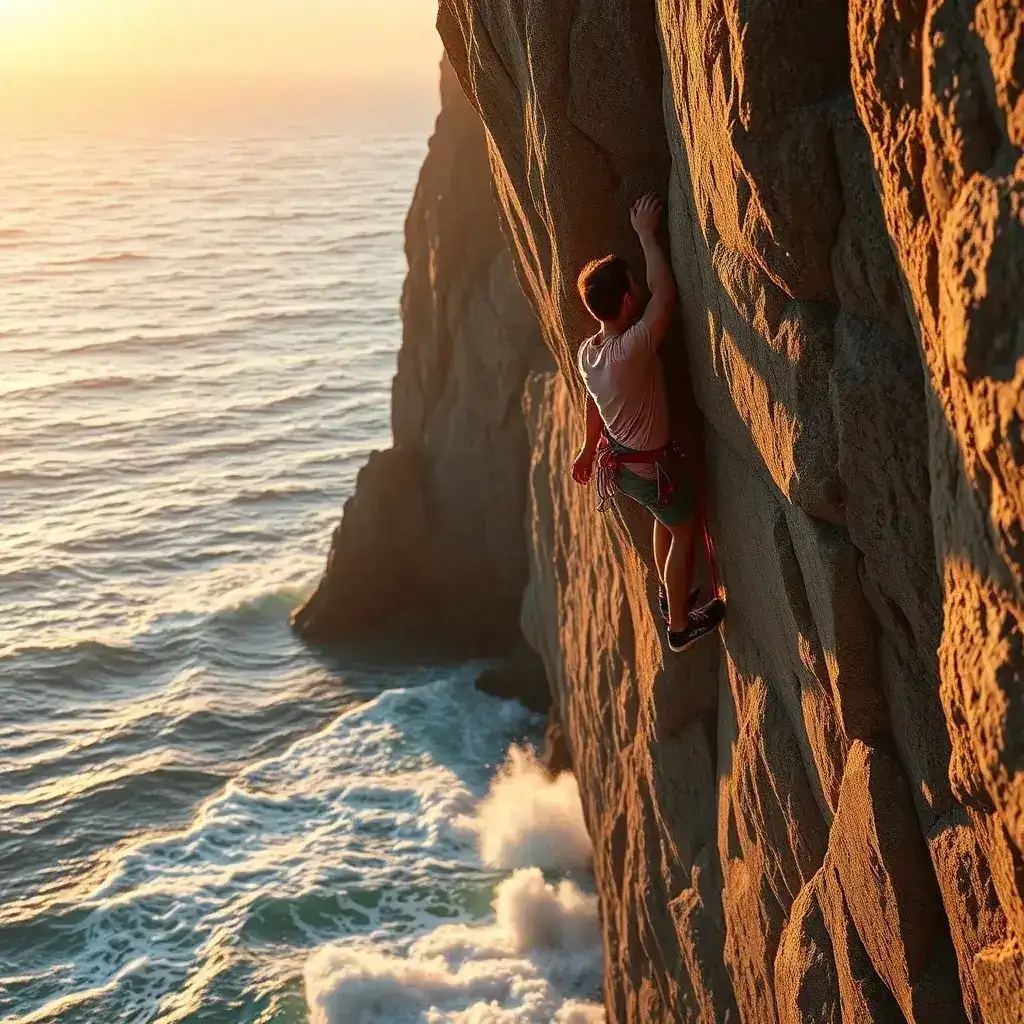
The first time I pressed my palms against the cold, sun-warmed granite of a sea cliff, I felt it—the pulse. Not just the steady thump of my own heart, but something deeper, older. The rock beneath my fingers seemed to breathe, rising and falling with the rhythm of the tides crashing below. It was as if the earth itself had found a voice, a language spoken in the creak of ropes, the hiss of waves, and the sharp intake of breath before a dynamic move. This, I realized, was the vertical tide: the invisible thread that binds the climber’s ascent to the ocean’s endless swell.
The Alchemy of Stone and Salt
There is a rare magic in places where the vertical world collides with the horizontal expanse of the sea. Coastal crags, those jagged sentinels rising from the water’s edge, are where rock climbing transcends mere sport and becomes a dialogue with the planet. The limestone cliffs of Thailand’s Railay Beach, the volcanic basalt of Ireland’s Fair Head, or the towering sea stacks of Oregon’s Pacific coast—each offers a unique conversation. The rock here is not just a surface to conquer; it is a living archive, shaped by millennia of wind, water, and time. As your fingers trace the grooves and pockets of the stone, you’re reading a story written in geology, one that the ocean has been editing for eons.
But the sea is not a passive observer in this dance. It is an active participant, its moods dictating the terms of engagement. A calm day might gift you glassy waters lapping at the base of the cliff, a serene mirror reflecting your progress. But the ocean is fickle. A sudden swell can turn the same waters into a churning maelstrom, the waves slamming against the rock with a force that vibrates through your bones. Climbing in these conditions is not for the faint of heart. It demands respect, adaptability, and an almost intuitive understanding of the sea’s rhythms. Miss a step, and the consequences are not just a fall—they’re a plunge into a world where the rules are written by currents and tides.
The Symphony of Risk and Reward
What draws climbers to these edge-of-the-world crags? It’s not just the challenge, though that is undeniable. It’s the intoxicating blend of risk and beauty, the way the stakes feel higher when the sea is your belayer. Every move becomes a negotiation between fear and focus, between the pull of the summit and the tug of the deep. The exposure is visceral—one moment, you’re clinging to a thin crack, the next, you’re suspended over a void where the only thing separating you from the abyss is the trust in your gear and your partner’s steady hands.
And then there are the rewards. The views from these coastal climbs are unlike any other. Imagine topping out on a sea stack, the wind whipping your hair as you gaze out at an endless expanse of blue, the horizon a thin line where sky and sea blur. Below you, the ocean stretches in every direction, a living, breathing entity that has witnessed countless sunrises and storms. The sense of accomplishment is amplified by the sheer scale of the landscape. You haven’t just climbed a rock; you’ve ridden the vertical tide, syncing your movements with the pulse of the planet.
The Call of the Blue
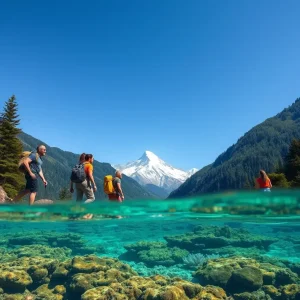
But the vertical tide is not just about the climb. It’s about what happens when you descend, when you trade the harness for a snorkel or a surfboard and let the ocean claim you. There’s a humility in this transition, a reminder that for all our skill and strength, we are still just visitors in these wild spaces. The sea does not care about your summit push or your technical prowess. It is indifferent, vast, and untamed—a force that demands reverence.
This is where the true magic of coastal climbing lies: in the balance. The ascent is a celebration of human tenacity, but the descent is a surrender to something greater. Floating in the water after a climb, the salt stinging your scrapes, you feel it—the connection. The ocean’s swell lifts you, rocks you, just as the rock once held you. You are part of a cycle, a rhythm that has played out for millions of years. The climber and the sea are not separate; they are two expressions of the same wild, untamed force.
The Fragile Edge
Yet, these places are not immune to the threats facing our planet. Coastal cliffs and their surrounding waters are on the front lines of climate change, erosion, and pollution. The same tides that shape the rock also carry microplastics and toxins, while rising sea levels threaten to swallow the very crags that climbers cherish. The vertical tide is a fragile one, and its survival depends on our willingness to protect it. Sustainable climbing practices—like minimizing chalk use, avoiding fragile ecosystems, and respecting local wildlife—are not just ethical choices; they’re acts of preservation. The ocean gives us these spaces, but it is our responsibility to ensure they endure for future generations of climbers and adventurers.
There is a moment, just as the sun dips below the horizon, when the sea and the sky seem to merge into one. The water turns a deep, inky blue, and the last light of day paints the cliffs in hues of gold and rose. Standing there, whether on the rock or in the water, you feel it—the pulse of the earth, the vertical tide pulling you in. It’s a reminder that adventure is not just about conquering; it’s about connecting. The climb, the swell, the salt on your skin—it’s all part of the same story, one that we are lucky enough to witness, if only for a moment. And in that moment, the world feels infinite, wild, and utterly alive.