The Soul of Madagascar: A Journey into the Island’s Wild Heart and Hidden Treasures
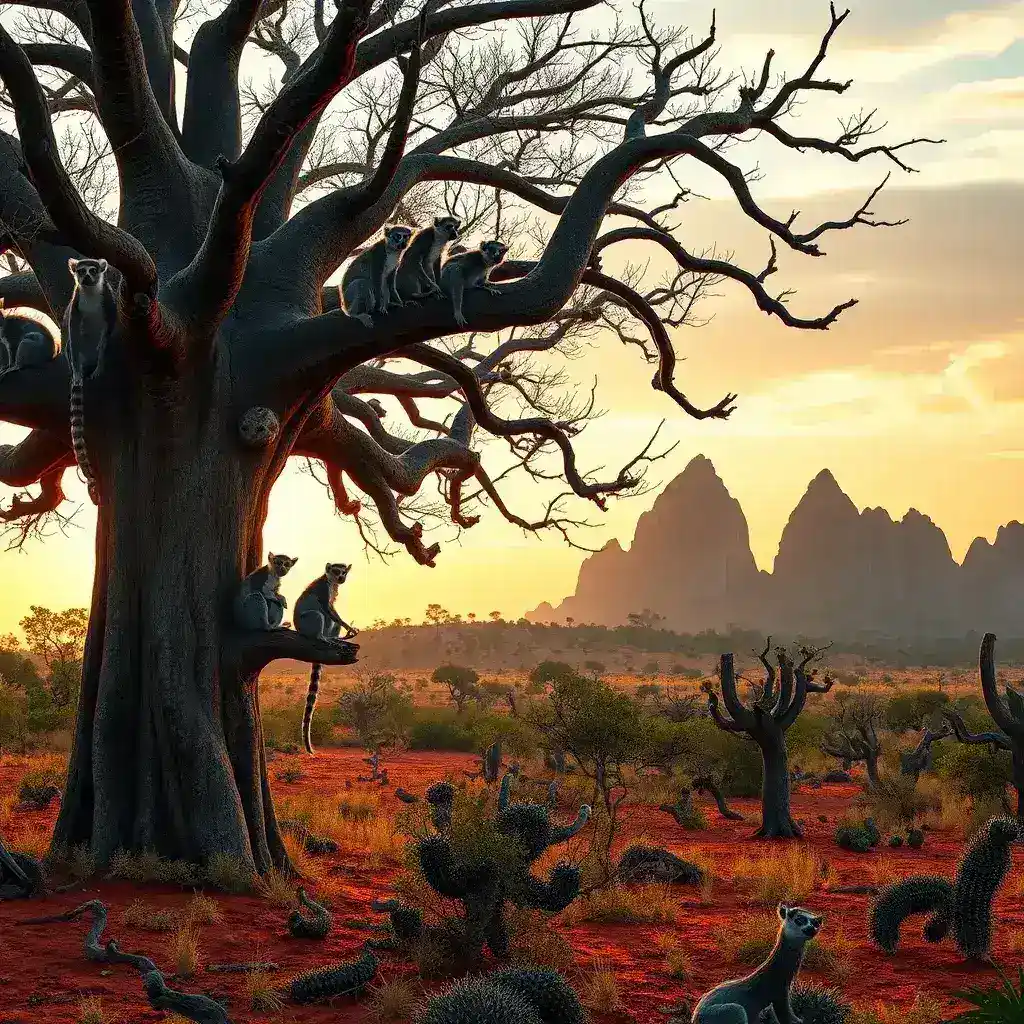
The moment the plane descended through the thick, emerald canopy of Madagascar’s eastern rainforests, I knew this was no ordinary trip. The air was thick with the scent of damp earth and exotic blooms, a fragrance so intoxicating it felt like stepping into another world. This island, often overshadowed by more mainstream African destinations, is a land of raw, untamed beauty—a place where lemurs leap through baobab trees, where the earth glows red under the tropical sun, and where every village hums with the rhythm of a culture untouched by time. My journey here was not just a vacation; it was an awakening, a deep dive into the soul of a land that defies expectations at every turn.
The Call of the Wild: An Unforgettable Adventure
Madagascar is a dream for adventurers, a place where the landscape shifts dramatically from one region to the next. In the north, the Tsingy de Bemaraha National Park rises like a fortress of razor-sharp limestone pinnacles, a labyrinth of stone that feels like the set of a fantasy film. Hiking through its narrow canyons, with the wind whispering through the jagged rocks, I felt like an explorer discovering a lost world. The park’s suspended bridges and hidden caves added an element of thrill, each step a test of courage and curiosity. Further south, the spiny forests of Ifaty stretched endlessly, their twisted baobabs and spiky euphorbias creating a surreal, almost alien landscape. Here, the silence was profound, broken only by the distant calls of lemurs and the rustle of the wind through the thorns.
But the true magic of Madagascar lies in its wildlife. The island is home to some of the most unique creatures on Earth, many of which exist nowhere else. In Andasibe-Mantadia National Park, I spent an unforgettable morning tracking indri lemurs, their haunting, melodic calls echoing through the misty forest. Watching these gentle giants leap effortlessly between the trees, their black-and-white fur contrasting against the lush greenery, was a moment of pure wonder. Later, in the dry forests of Ankarana, I encountered the tiny, wide-eyed mouse lemur, its delicate fingers clutching a branch as it peered at me with curiosity. These encounters were not just sightings; they were intimate glimpses into a world that feels both ancient and fragile.
Authentic Local Culture: Where Time Stands Still
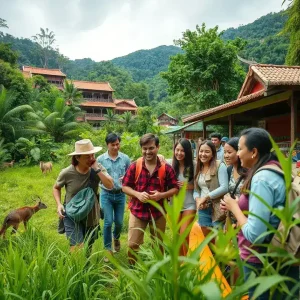
Beyond its natural wonders, Madagascar is a tapestry of cultures, each thread woven with traditions that have endured for centuries. In the highlands, the Merina people welcomed me into their villages with warmth and hospitality that felt like coming home. Their homes, built from red clay and thatched roofs, stood in stark contrast to the modern world, a reminder of a simpler, more connected way of life. I was invited to share a meal of *romazava*, a fragrant stew of leafy greens and tender meat, served with steaming bowls of rice. The flavors were rich and earthy, a testament to the island’s agricultural bounty.
In the coastal town of Sainte Marie, I witnessed the *Famadihana*, the sacred turning of the bones ceremony. This ancient ritual, where families exhume their ancestors to rewrapped them in fresh silk, is a celebration of life, death, and the unbreakable bonds between generations. The air was filled with music and laughter as villagers danced and sang, their joy infectious. It was a humbling experience, a reminder that in Madagascar, the past is never truly gone—it lives on in the stories, the songs, and the hearts of the people.
A Highly Knowledgeable Guide: The Key to Hidden Gems
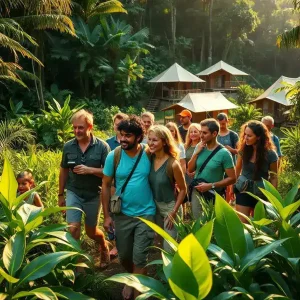
No journey to Madagascar is complete without a guide who knows the land like the back of their hand. My guide, Rakoto, was a treasure trove of knowledge, his passion for the island infectious. He led me to places I would have never found on my own—the sacred lakes of Ampefy, where locals believe the waters hold healing powers, and the secluded beaches of Nosy Iranja, where the sand is so white it sparkles like crushed diamonds. His stories brought the landscape to life, from the legends of the *fady* (taboos) that govern village life to the history of the pirate republic that once thrived on the island’s shores. With Rakoto by my side, every day felt like a masterclass in Madagascar’s natural and cultural wonders.
Exceptional Service: Where Hospitality Feels Like Home
From the moment I arrived, I was struck by the warmth of the Malagasy people. Whether it was the staff at my eco-lodge in Andasibe, who greeted me with fresh fruit and a smile every morning, or the fishermen in Morondava who invited me to join them for a sunset drink, the hospitality was genuine and heartfelt. In the luxury lodges of the north, the service was impeccable, with every detail thoughtfully curated to ensure a seamless experience. Yet, it was the small, personal touches that stood out—the handwritten note left on my pillow, the guide who remembered my coffee order, the driver who went out of his way to show me a hidden viewpoint. These moments made me feel not like a tourist, but like a guest in someone’s home.
Breathtaking Scenery: A Feast for the Senses
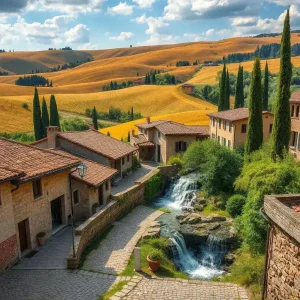
Madagascar’s landscapes are nothing short of spectacular. In the morning, I would wake to the sight of mist curling over the emerald hills of the highlands, the air crisp and cool. By midday, the sun would blaze overhead, casting golden light over the terraced rice fields of the central plateau, their paddies stretching like a patchwork quilt into the distance. In the west, the Avenue of the Baobabs stood like sentinels, their massive trunks glowing in the soft light of dusk. And in the south, the spiny forests of Ifaty seemed to stretch endlessly, their twisted branches creating a surreal, otherworldly scene. Every turn in the road revealed a new vista, each more stunning than the last.
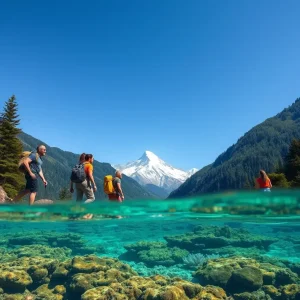
But perhaps the most breathtaking moment came on a boat trip to the island of Nosy Be. As we glided through the turquoise waters, dolphins leapt alongside the boat, their sleek bodies cutting through the waves with effortless grace. The water was so clear I could see the coral reefs beneath us, their vibrant colors a stark contrast to the deep blue of the ocean. Snorkeling here was like swimming in an aquarium, the fish darting around me in a dazzling display of life. It was a reminder of the beauty that lies beneath the surface, both in nature and in travel itself.
Great Value for Money: A Journey Worth Every Penny
One of the most surprising aspects of my trip to Madagascar was how affordable it was. Compared to other exotic destinations, the cost of lodging, food, and activities was refreshingly low. I stayed in boutique eco-lodges that offered luxury without the hefty price tag, and dined on fresh, locally sourced meals that cost a fraction of what I would have paid elsewhere. Even the guided tours and excursions were reasonably priced, making it possible to experience the best of the island without breaking the bank. The value for money was exceptional, allowing me to splurge on unique experiences like a private sunset cruise or a hot-air balloon ride over the highlands.
Madagascar is a place that lingers in the soul long after you leave. It’s a land of contrasts—where the wild and the serene coexist, where ancient traditions thrive alongside modern life, and where every moment feels like a discovery. The memories I made here are not just snapshots in time; they are stories etched into my heart, reminders of a journey that changed the way I see the world. Whether it was the thrill of spotting a lemur in the wild, the warmth of a village welcome, or the sheer beauty of the landscapes, Madagascar gave me something I didn’t know I was missing—a sense of wonder, a connection to the earth, and the quiet certainty that some places are meant to be experienced, not just seen. And as I boarded the plane home, I knew this was not goodbye, but a promise to return.