The Last Light on the Ridge: Where Mountain Trekking and the Ocean’s Edge Reveal the Earth’s Final Frontiers
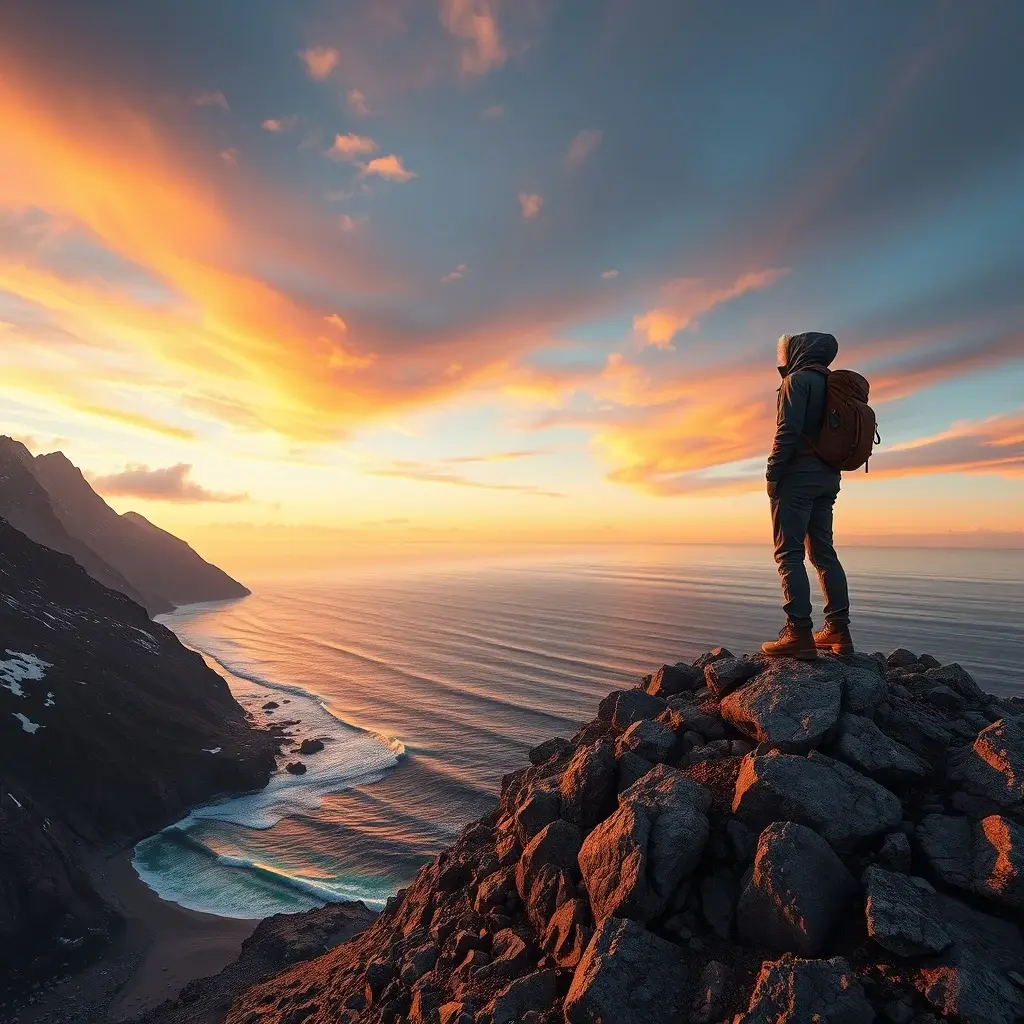
The first time I stood on that wind-lashed ridge, the world below me seemed to exhale. The air was thin, sharp with the scent of pine and distant snow, and the horizon stretched like a promise—endless, untamed, alive. There are moments in an adventurer’s life when the earth feels not like a place you visit, but a living entity that breathes with you, whispers to you, demands your attention. Mountain trekking is one of those sacred acts, a pilgrimage to the roof of the world where every step is a conversation with the wild. But what happens when the trail doesn’t just lead you upward, but also outward—toward the edge of the sea, where the mountains finally surrender to the ocean’s embrace?
The Sacred Geometry of Ascent
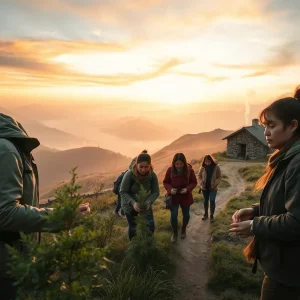
There’s a rhythm to trekking that transcends the physical. It’s in the way your boots crunch over frost-kissed gravel, the way your lungs expand with the cold, the way the landscape shifts from emerald valleys to jagged peaks in a matter of hours. High-altitude hiking isn’t just about conquering summits; it’s about surrendering to the journey. The Andes, the Himalayas, the Alps—each range has its own personality, its own language of rock and ice. And when you stand on a ridge at dawn, watching the first light spill over the peaks like molten gold, you understand why mountaineers speak of the mountains in reverent tones. This is where the earth feels most alive, most raw, most real.
But the mountains don’t exist in isolation. They are part of a vast, interconnected web of life, and their rivers—those icy veins of the earth—eventually find their way to the sea. That’s where the magic deepens. The descent from a summit isn’t just a return to lower elevations; it’s a journey toward another kind of wild, one where the rules of gravity and time seem to bend. The air grows warmer, the scent of salt replaces the crisp alpine breeze, and suddenly, you’re standing on a cliff overlooking the ocean, watching waves crash against the shore like the earth’s own heartbeat.
The Ocean’s Edge: Where the Earth Sighs
Coastal exploration is the yin to mountain trekking’s yang. Where the mountains are all about ascent, the coast is about immersion—sinking into the rhythm of the tides, letting the saltwater cleanse the sweat of the climb from your skin. There’s a primal comfort in standing where the land meets the sea, where the horizon isn’t a distant line of peaks but an endless expanse of blue. The ocean doesn’t demand the same kind of endurance as a high-altitude trek, but it asks for something else: patience, humility, a willingness to be humbled by its vastness.
Snorkeling over a coral reef is like stepping into another world. The water is so clear it feels like flying, and the reef below pulses with color—electric blues, fiery oranges, deep purples. Fish dart between the corals like living jewels, and if you’re lucky, you might spot a sea turtle gliding through the water with effortless grace. Marine conservation isn’t just a cause here; it’s a necessity. The reefs are fragile, their beauty a delicate balance of life and decay, and every diver, every snorkeler, becomes a guardian of that balance. The ocean gives so much—adventure, wonder, solace—and in return, it asks only that we protect it.
The Unseen Threads That Bind
What connects a mountain trek to a coastal dive? More than you might think. Both are acts of exploration, yes, but they’re also acts of connection. The water that rushes down from a glacier in the Andes eventually finds its way to the Pacific, where it becomes part of the same ocean you’ll snorkel in off the coast of Belize. The same wind that howls through a Himalayan pass stirs the waves that crash against the cliffs of Ireland. The earth is a closed loop, a never-ending cycle of ascent and descent, of salt and stone, of life and breath.
Sustainable tourism isn’t just about leaving no trace; it’s about recognizing that every adventure is part of this larger story. When you choose to trek with a guide who respects the land, when you opt for a dive operator that prioritizes reef-safe practices, when you take the time to learn about the ecosystems you’re exploring, you’re not just protecting the environment—you’re honoring the sacred bond between the wild and the wanderer.
The Final Light on the Horizon
I remember the last evening of that trek, when the sun dipped below the ridge and painted the sky in hues of fire and gold. Below me, the ocean stretched out like a promise, its surface shimmering with the last light of day. There was no summit to conquer, no trail to follow—just the quiet understanding that the earth had given me everything it had to offer, and in return, I had given it my respect, my awe, my presence. That’s the essence of adventure: it’s not about the places you go, but the way those places change you. The mountains teach you strength. The ocean teaches you surrender. And together, they remind you that the wild isn’t something to be tamed—it’s something to be lived.
So the next time you lace up your boots or slip on your fins, remember that you’re not just setting out on a journey. You’re stepping into a story that’s been unfolding for millennia, one where every ridge, every reef, every wave is a chapter waiting to be written. And when you stand at the edge of the world, where the mountains meet the sea, you’ll realize that the greatest adventures aren’t the ones that take you far from home—they’re the ones that bring you closer to the heart of it all.